Quick answer
Fading is almost always a light, heat, or humidity problem, not a defect. Move your collection out of direct sun, keep the room between roughly 18-24°C with low humidity, and use UV-filtering film or curtains on nearby windows. If a piece has already yellowed or gone chalky, the pigment change is usually permanent, so prevention is the only reliable fix.
Symptom: what fading actually looks like
Fading rarely happens evenly. On painted figures, the first sign is usually a washed-out face or a pale patch on one side of a cape or armor piece. On plushies, the fabric on the display-facing side goes dull while the back stays saturated. Acrylic stands and clear bases are different: they do not fade so much as yellow, turning amber or cloudy even when the printed image still looks fine.
- Paint looks chalky or lighter on one side only
- Plush fabric feels stiffer and the color looks dusty
- Acrylic edges turn yellow or the surface looks hazy
- Colors on a boxed figure fade even though the box was never opened
Cause: UV light, heat, and humidity work together
UV light breaks down the pigments and dyes in paint and fabric. Heat accelerates that reaction, and humidity adds a second problem by encouraging mold, adhesive failure, and clouding on acrylic. A shelf near a window can lose color in a few months, while the same figure in a closed cabinet on an interior wall may hold up for years. This is why two collectors with identical items can get completely different results.
Corrective action: what to change first
Start with light. Move the collection away from windows, or cover the glass with UV-filtering film or a lined curtain. If you use display lighting, switch to LED and keep it off when you are not in the room. Next, control the room: aim for a stable temperature and low humidity, and avoid placing figures above radiators, near kitchen steam, or in bathrooms. Finally, put items behind glass or acrylic doors where possible, because a closed cabinet blocks dust and slows the light exposure that reaches the surface.
- Relocate shelves to an interior wall away from windows
- Add UV film or blackout curtains to nearby windows
- Use LED lighting only, and turn it off when not needed
- Keep humidity low and avoid heat sources
- Store unused pieces in a dark box with silica packets
When to stop and replace instead
If the pigment has already changed, no cleaning product will bring the original color back. Yellowed acrylic cannot be fully reversed, and faded fabric dye will not re-saturate. At that point, decide whether the item still works as a display piece or whether you would rather replace it. If the piece is a limited pre-order, check the current pre-order window and expected dispatch before assuming you can simply reorder, because some runs close and do not reopen.
Fading diagnosis: match the symptom to the fix
- One side lighter than the other: This is classic UV exposure from a window or lamp on one side. Rotate the piece, move it away from the light source, and add UV film or a curtain. If the color is already gone, treat it as permanent and decide whether to keep or replace.
- Acrylic base or stand looks amber or cloudy: Yellowing comes from UV and heat over time. Move the piece out of direct light and keep the room cooler. Cleaning will remove surface haze but not deep yellowing. If the acrylic is deeply yellowed, replacement is usually the only clean option.
- Plush fabric feels stiff and looks dusty: This is often humidity plus dust, not just light. Air the plush in a dry, shaded spot, brush the surface gently, and store it in a breathable bag rather than a sealed plastic bin. If the fabric has already faded, no wash will restore the original dye.
Product notes that affect fading risk
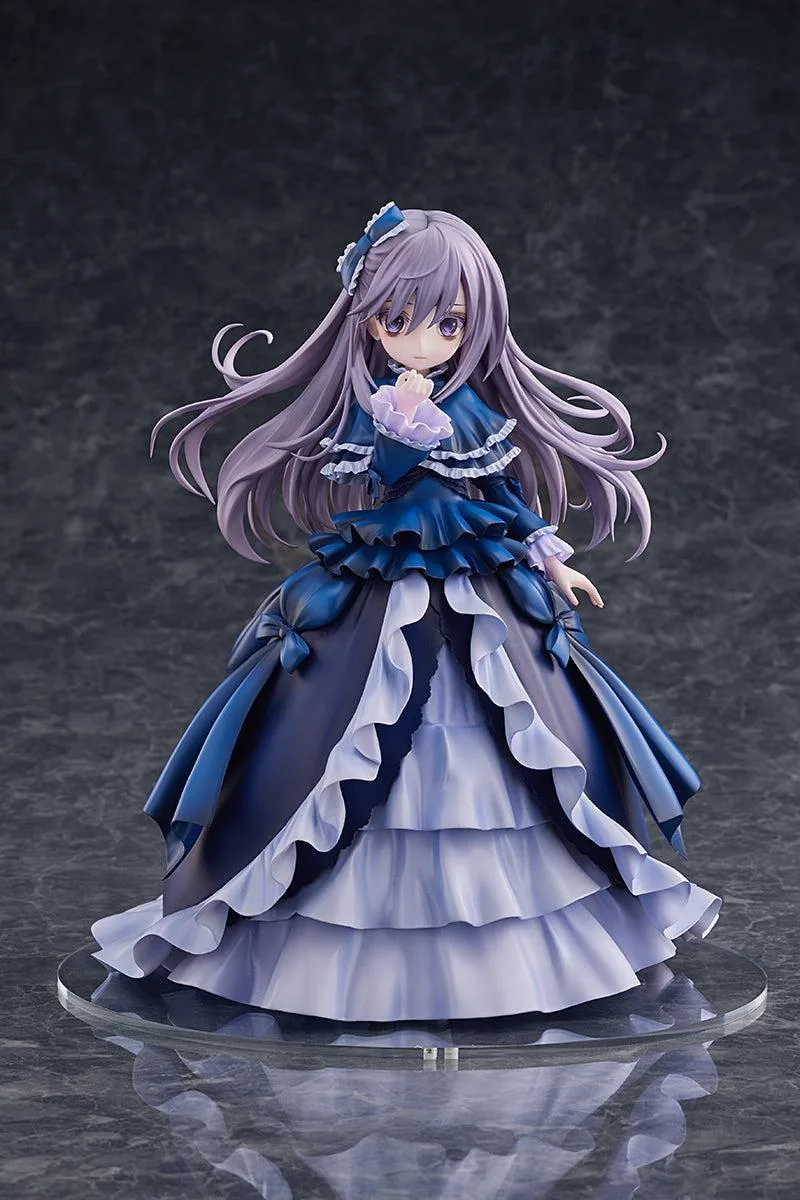
- 【Pre-order】Yu-Gi-Oh! - Ghost Belle & Haunted Mansion 1/7 Scale Figure (Card Game Monster Figure Collection): Pre-order window closes Aug 02, 2026 with an expected dispatch date of Mar 2027 from manufacturer AMAKUNI. A long gap between payment and delivery means the figure may sit in storage before you display it. Plan a dark, climate-stable spot now so it does not go straight onto a sunny shelf when it arrives.
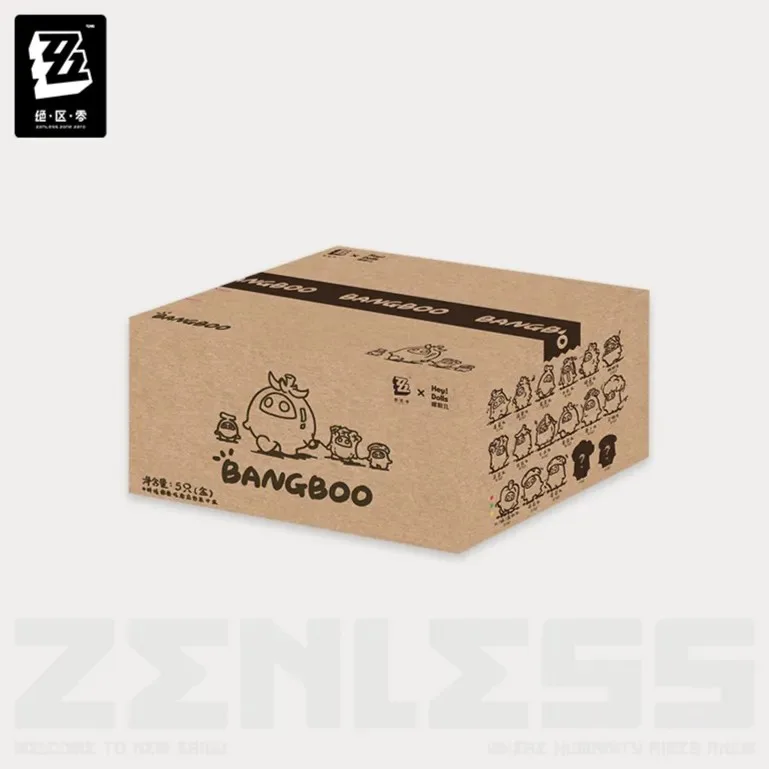
- Zenless Zone Zero - Bangboo Garden Kingdom Mini Blind Box: PVC mini figures, height approximately 3-4 cm, sold as blind boxes with 5 per single box and 12 per full box. Small PVC pieces are easy to scatter across bright shelves. Grouping them inside a closed case or a drawer insert reduces the light and dust each one collects.
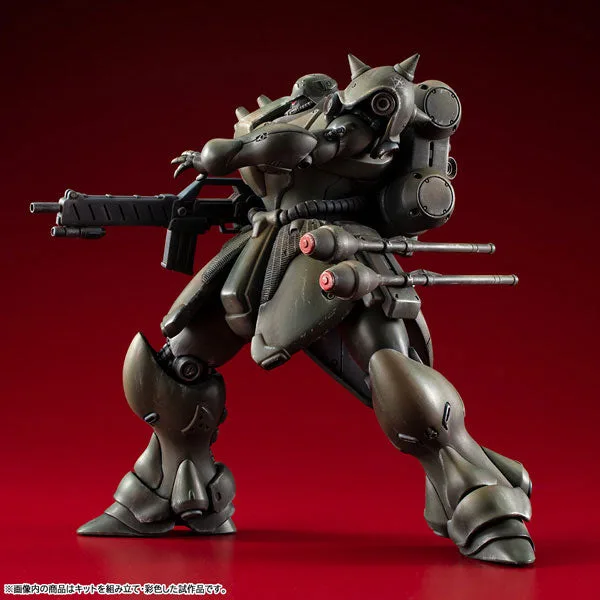
- 【Pre-order】Mobile Suit Gundam Record of MS Wars - GEARA DOGA Model Kits Normal Type): Pre-order window closes Jun 11, 2026 with an expected dispatch date of Dec 2026 from manufacturer Megahouse. Boxed kits can fade inside the packaging if stored in a hot room. Keep the box out of direct sun and off the floor, even before you build the model.