Quick answer
First, check the box insert, rulebook, and all bags—pieces often hide in plain sight. If a piece is truly gone or damaged, contact the publisher for a replacement part or use a safe stand-in until it arrives. For scratched cards, sleeve them to prevent further wear; for missing pieces, a quick inventory against the rulebook will tell you if the game is still playable.
Do a thorough search before assuming the worst
Before you conclude a piece is missing, empty the box completely and check every compartment, bag, and rulebook. Pieces frequently slip under the insert or get stuck in the box corners. Shake out bags over a tray so small tokens don't roll away. If you have pets or small children, check areas where the game was last played—pieces can end up under furniture or in toy bins.
When a piece is truly missing: replacement options
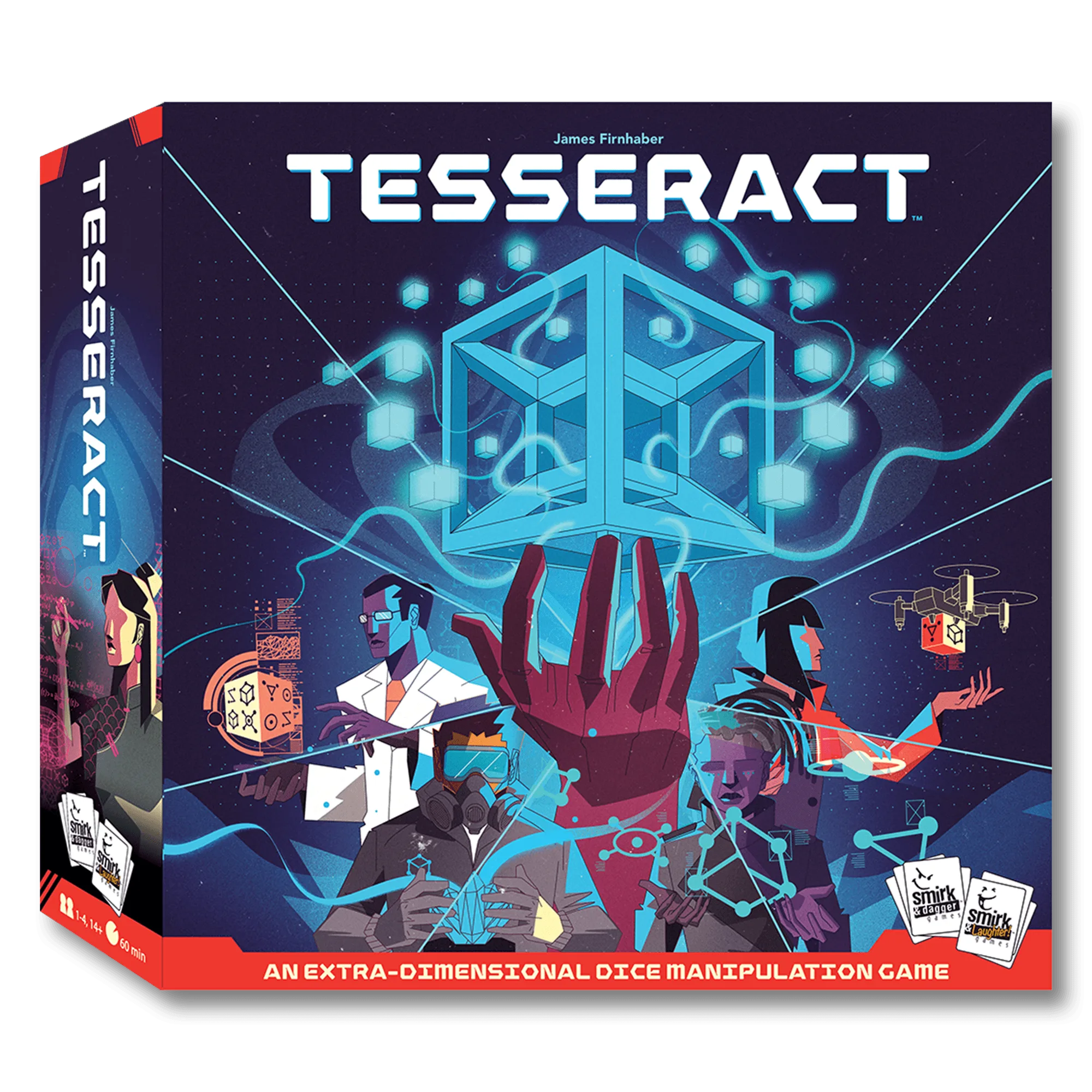
If the piece is not in the box, contact the publisher's customer service. Many companies offer free or low-cost replacement parts, especially for newer games. Have your proof of purchase and the specific piece name ready. If the game is out of print or the publisher cannot help, you can often find spare parts on board game resale sites or 3D-print a stand-in. For games like TESSERACT, which uses a cube of 64 dice, losing one die might be replaceable with a standard die of the same size—but check the rulebook for any special markings first.
Fixing scratched cards and damaged components
Scratched cards can often be saved with card sleeves, which also protect against further wear. If the scratch makes a card identifiable from the back, use opaque sleeves or a replacement card from the publisher. For damaged cardboard tokens, a thin layer of clear tape or a dab of white glue can reinforce edges. For wooden pieces, a light sanding and a matching paint touch-up can hide chips. Always test any repair on a spare piece first.
Preventing future loss and damage
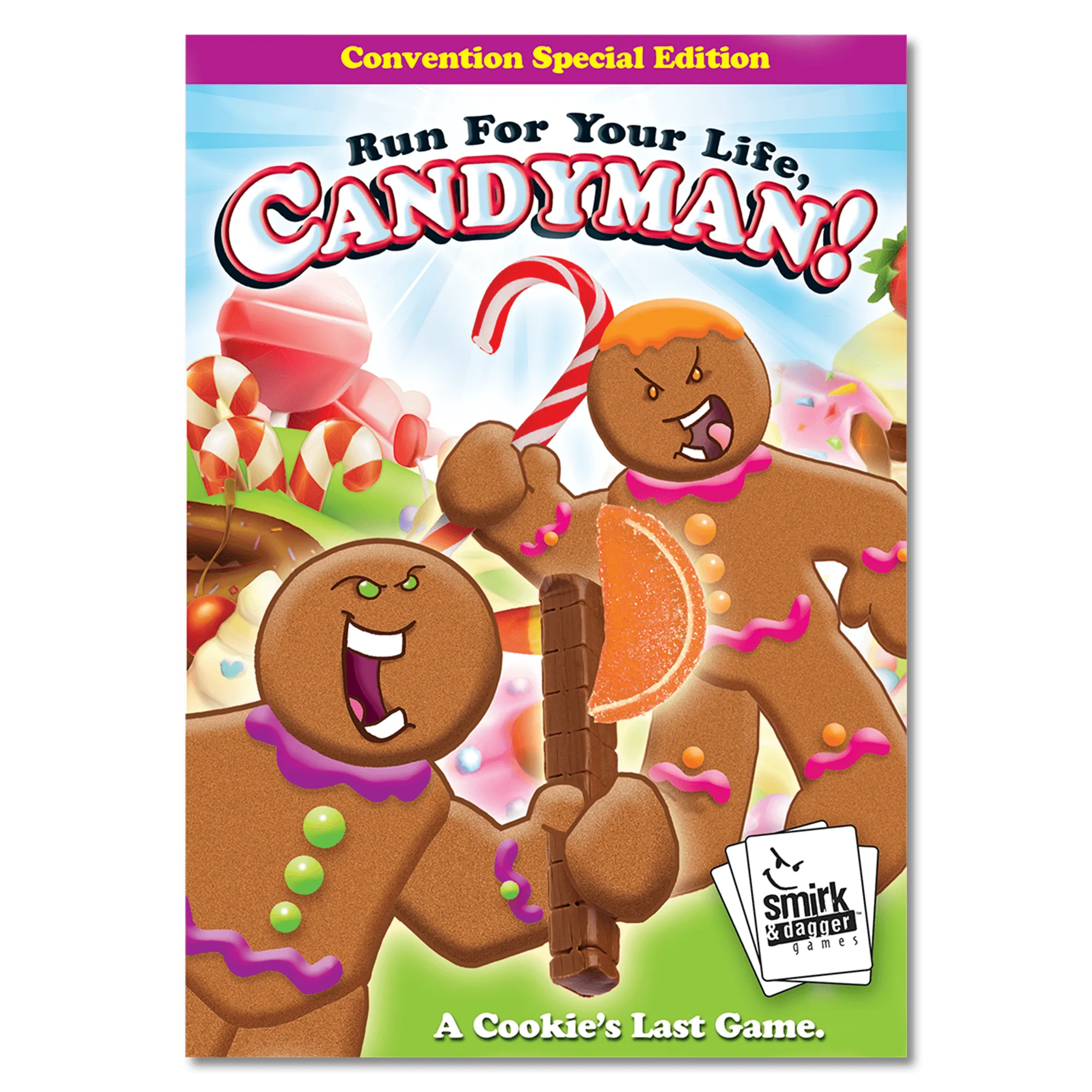
Store pieces in resealable bags or a tackle box, and return them to the box after each session. Keep games away from direct sunlight and extreme temperatures to prevent warping and fading. When playing with younger children, consider using a tray or mat to keep pieces contained. For games with many small components, like Run for your Life, Candyman! DELUXE, a compartmentalized storage solution can save you from future missing-piece hunts.
Diagnose your missing or damaged piece
- Symptom: One or more pieces missing after unboxing: Likely cause: Packaging error or piece stuck in insert. Corrective action: Search all packaging thoroughly. If truly missing, contact publisher for replacement. If publisher cannot help, consider returning the game if new.
- Symptom: Cards are scratched but still playable: Likely cause: Normal wear from shuffling or storage. Corrective action: Sleeve cards to prevent further damage and hide scratches. If scratches make cards marked, replace them or use opaque sleeves.
- Symptom: Wooden or plastic piece is broken: Likely cause: Dropped or forced. Corrective action: Glue if clean break; otherwise seek replacement. If repair affects gameplay, do not use the piece.
Game components in our catalog
- TESSERACT: a cooperative, puzzle strategy game: TESSERACT features a cube of 64 dice on a rotating platform. With so many dice, losing one can disrupt play. Check if a standard die can substitute, or contact the publisher for a replacement.
- Run for your Life, Candyman! DELUXE: a cult classic of cookie combat: Run for your Life, Candyman! DELUXE is designed for 2-6 players and involves ripping off opponent's limbs. The many small limb tokens are easy to lose; store them in a bag and count them after each game.
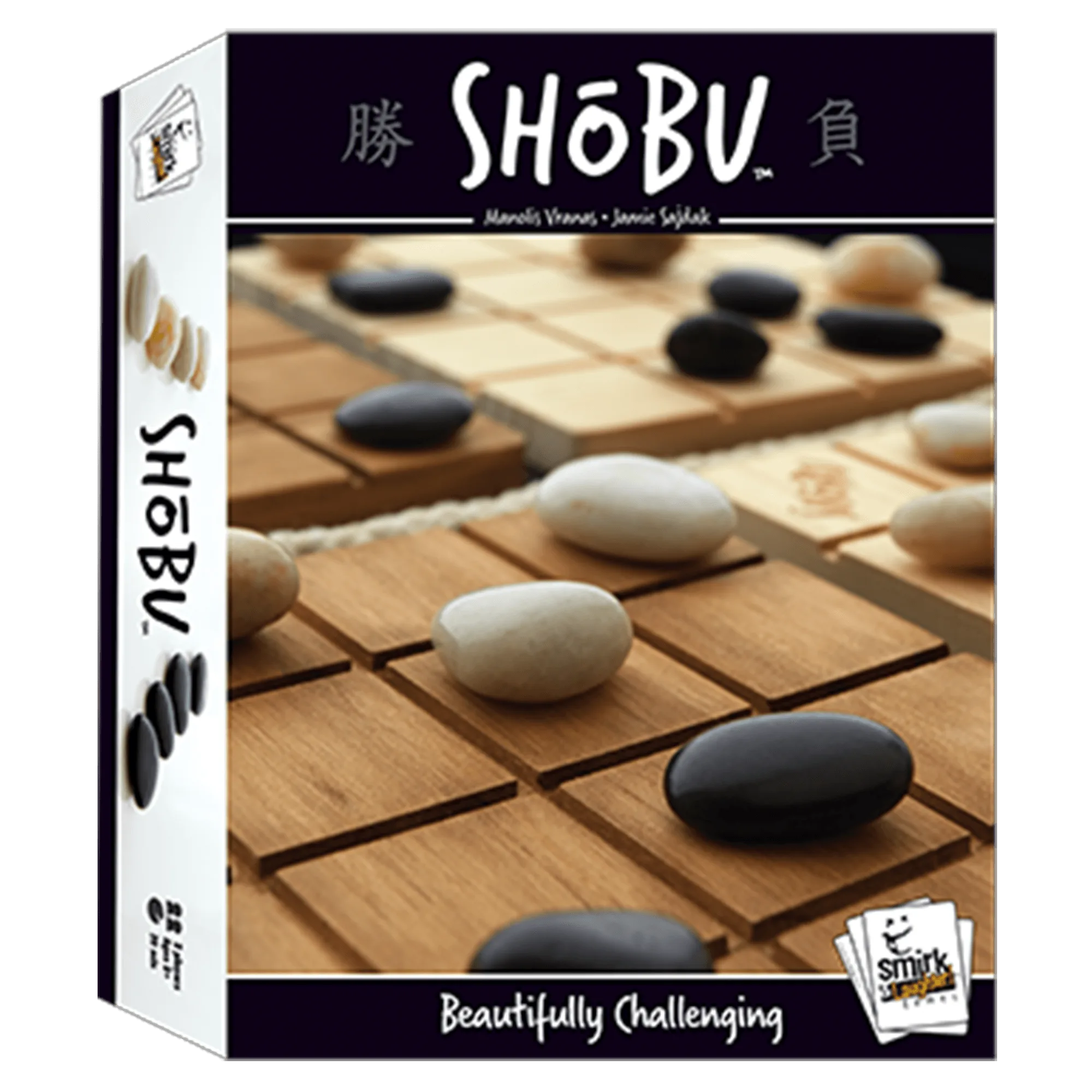
- SHOBU: SHOBU is a two-player strategy game with a minimalist presentation. Its few, elegant pieces are less likely to go missing, but if one does, it may be harder to substitute without affecting gameplay.