Quick answer
Replace bottle teats every 4–6 weeks of regular use, or sooner if they look cloudy, feel sticky, or flow too fast. Replace anti-colic valves and other small bottle parts as soon as they crack, warp, or stop sealing. If a bottle leaks, check the valve and teat first before buying a whole new bottle.
Why bottle parts wear out faster than you expect
Bottle parts go through heat, moisture, and repeated flexing every day. Silicone teats stretch and relax with each feed, while valves open and close hundreds of times. Steam sterilising, dishwasher cycles, and exposure to milk fats gradually break down the surface, so parts that look fine can stop working properly.
Wear is not a sign of poor quality. It is a normal result of daily use. The trick is knowing which parts are consumables and which are worth replacing individually.
Spot the symptom before you replace anything
A leaking bottle is usually not a bottle problem. Milk escaping around the collar often means the valve is not sealing, or the teat has stretched and no longer sits flush. A teat that collapses during feeding can signal a blocked air vent or a valve that has stiffened. If your baby suddenly takes much longer to finish a bottle, the teat may have softened and lost its shape.
Check the simplest causes first: is the collar screwed on straight, is the valve seated correctly, and is the vent hole clear? If those are fine, the part is worn.
How to inspect teats, valves, and seals
Hold the teat up to a light. A healthy silicone teat looks clear and even. Cloudiness, tiny tears at the tip, or a sticky feel means it is time to replace it. Run a finger around the rim to feel for thinning or roughness.
For valves, look for cracks, white stress marks, or a warped shape. A valve that no longer lies flat will not seal. Silicone seals can also stretch out of shape, so compare them with a new one if you have a spare.
A simple replacement schedule that works
If you bottle-feed several times a day, plan on new teats every 4–6 weeks. If you use bottles only occasionally, inspect them monthly and replace teats every 2–3 months. Valves and small seals should be replaced at the first sign of wear, not on a fixed calendar.
Keep a small stock of spare parts so you are not caught out at 2 a.m. with a leaking bottle.
Diagnosis: match the symptom to the fix
- Bottle leaks around the collar: The valve is probably not sealing or the teat rim has stretched. Remove the valve, check for cracks or warping, and reseat it. If the leak continues, replace the valve and teat. If a new valve and teat still leak, the bottle body or collar may be damaged. Replace the bottle.
- Teat collapses or flow slows down: A blocked air vent or stiff valve is the usual cause. Clean the vent hole with a soft brush and check the valve for stiffness. If the teat itself looks cloudy or feels sticky, replace it. If cleaning does not restore flow, replace the teat and valve together.
- Baby fusses or gulps during feeds: The teat flow rate may have increased as the silicone softened, or the anti-colic valves may be worn. Compare the teat with a new one of the same size. If it looks stretched, replace it. If symptoms continue with a new teat, try a different flow rate or speak to your health visitor.
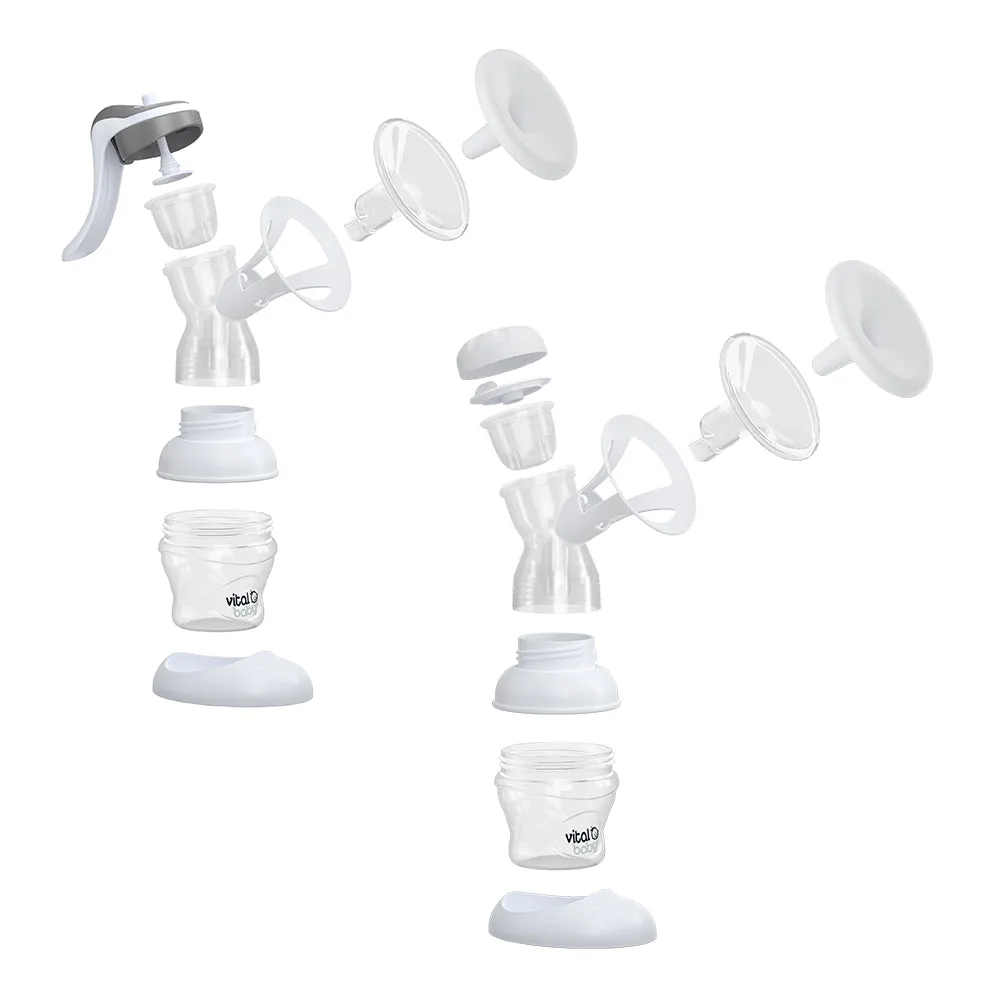
- Pump suction feels weaker: Worn valves, seals, or diaphragms in your breast pump are a common cause. Check the flexcone spare parts for cracks or stretching and replace any that look tired. If suction does not improve after replacing the spare parts, contact the pump manufacturer.
Parts that keep bottles and pumps working
- flexcone™ Spare Parts: flexconeTM Spare Parts include everything you need to keep your flexconeTM breast pumps working in tip-top condition. If you pump regularly, worn pump parts can reduce suction and waste time. Keeping spare flexcone parts on hand means you can replace a tired valve or seal immediately instead of waiting for a delivery.
- breast like bottle 240ml: breast like bottle 240ml is designed to mimic the natural shape and movements of mum’s nipple when feeding, with triple anti-colic valves and self-sterilising convenience. The 240ml size suits hungrier babies or longer feeds. Its anti-colic valves are the parts most likely to wear first, so check them whenever you notice slower flow or leaking.
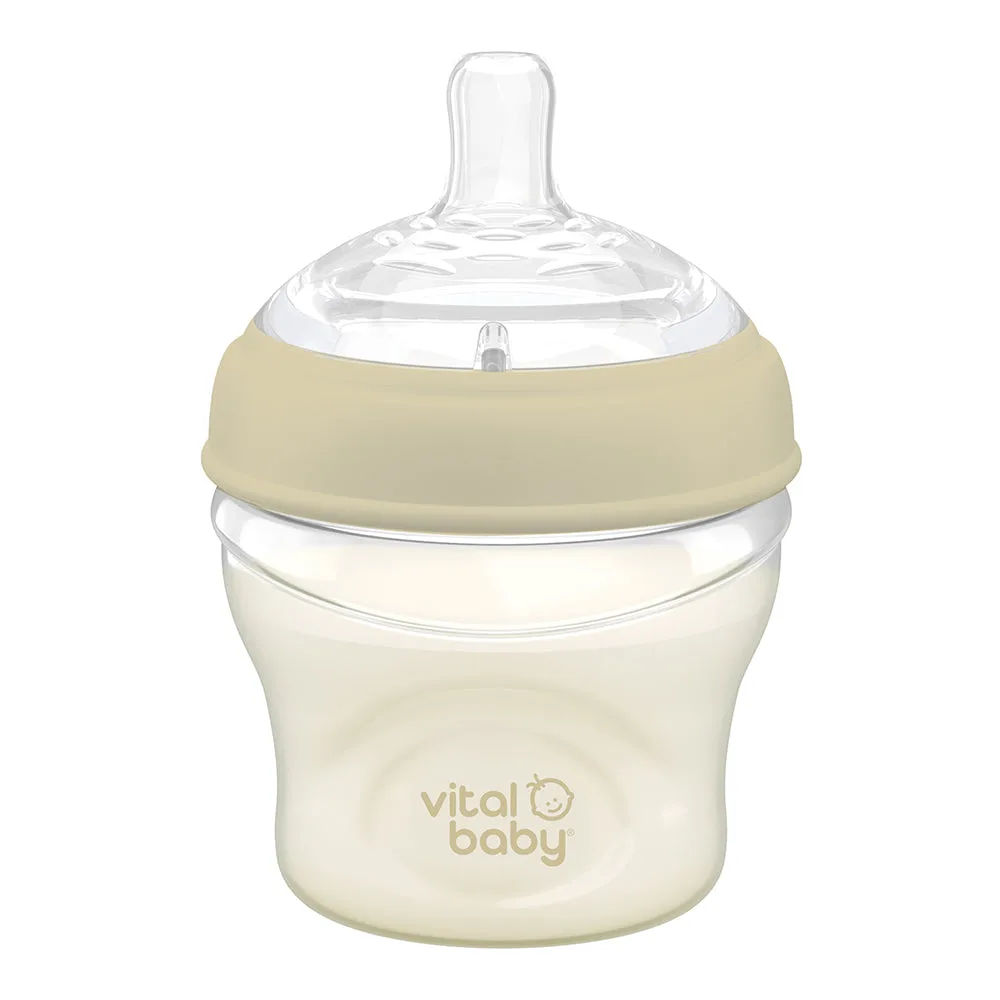
- breast like bottle 150ml: breast like bottle 150ml is designed to mimic the natural shape and movements of mum’s nipple when feeding, with triple anti-colic valves and self-sterilising convenience. The 150ml size is handy for smaller feeds and combination feeding. If you use it daily, inspect the teat and valves at every wash and replace them at the first sign of cloudiness or stiffness.