Quick answer
Most carrier back pain comes from a carry that sits too low, straps that are too loose, or weight pulled away from your body. Before you buy anything new, try raising the seat to your navel, tightening until the carrier hugs you, and keeping the baby's weight high and close. If pain continues after three or four adjusted wears, the carrier's structure may not match your body or your baby's stage.
Match the symptom to the cause before you tighten anything
Pain location tells you which part of the carry has failed. Lower back ache usually means the seat is too low or the waistband is sitting on your hips instead of your natural waist. Shoulder and neck strain usually means the straps are carrying the load instead of the waistband. One-sided pain points to uneven strap tension or a hip carry that has drifted off-center.
- Lower back pain: seat below the navel, waistband on the hips, or baby's weight hanging away from you.
- Shoulder and neck pain: straps too loose, too tight, or crossing in a spot that digs.
- One-sided pain: uneven strap length, a twisted panel, or a carry that has rotated to one hip.
Fix the seat height and waistband first
The waistband should sit at or slightly above your navel, not on your hip bones. When it sits low, your lower back takes the load and the baby hangs below your center of gravity. Raise the waistband, then bounce gently and tighten the horizontal straps so the carrier hugs your torso. The baby's head should be close enough to kiss without you leaning forward.
- Waistband at navel height, snug enough that you can slide two fingers underneath, not a fist.
- Baby's knees at or above the navel in a seated position, not dangling straight down.
- Tighten horizontal straps after the waistband, not before.
Tighten in the right order to stop shoulder strain
Most people tighten shoulder straps first, which pulls the baby away from the body and transfers weight to the neck. Tighten the waistband and horizontal straps first, then adjust the shoulder straps last. The carrier should feel like a snug hug, not a squeeze. If the shoulder straps still dig, try crossing them or moving the chest strap up or down a few centimeters to change the pull angle.
- Waistband first, horizontal straps second, shoulder straps last.
- Chest strap should sit between your shoulder blades, not on your neck.
- If straps dig, adjust the chest strap height before loosening the whole carry.
Ring sling back pain has a different cause
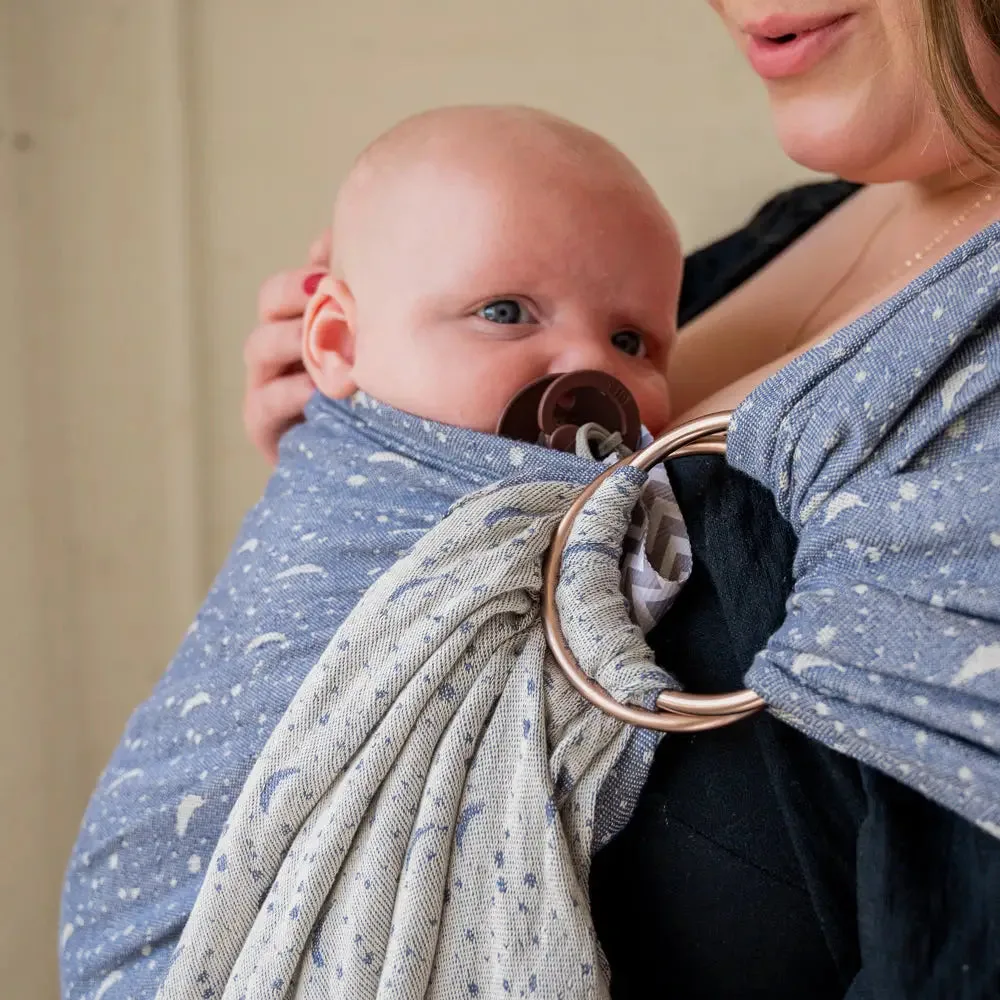
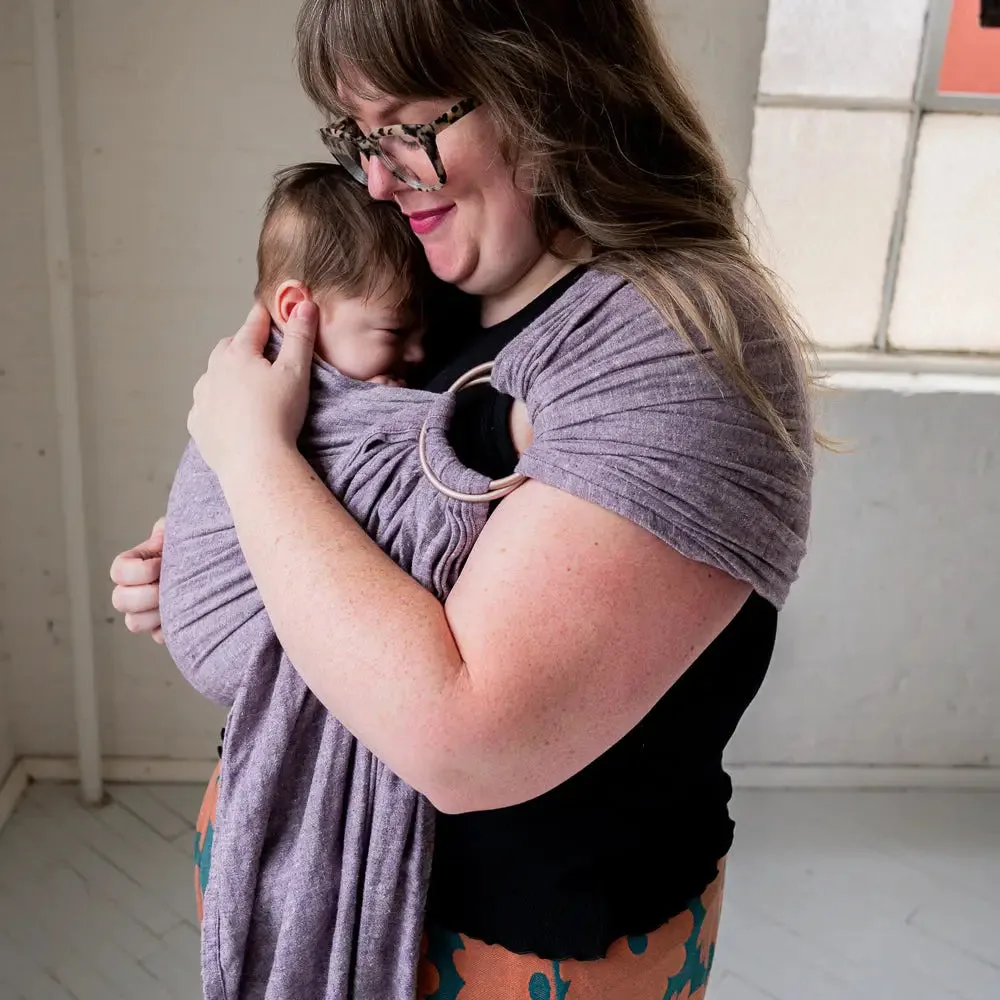
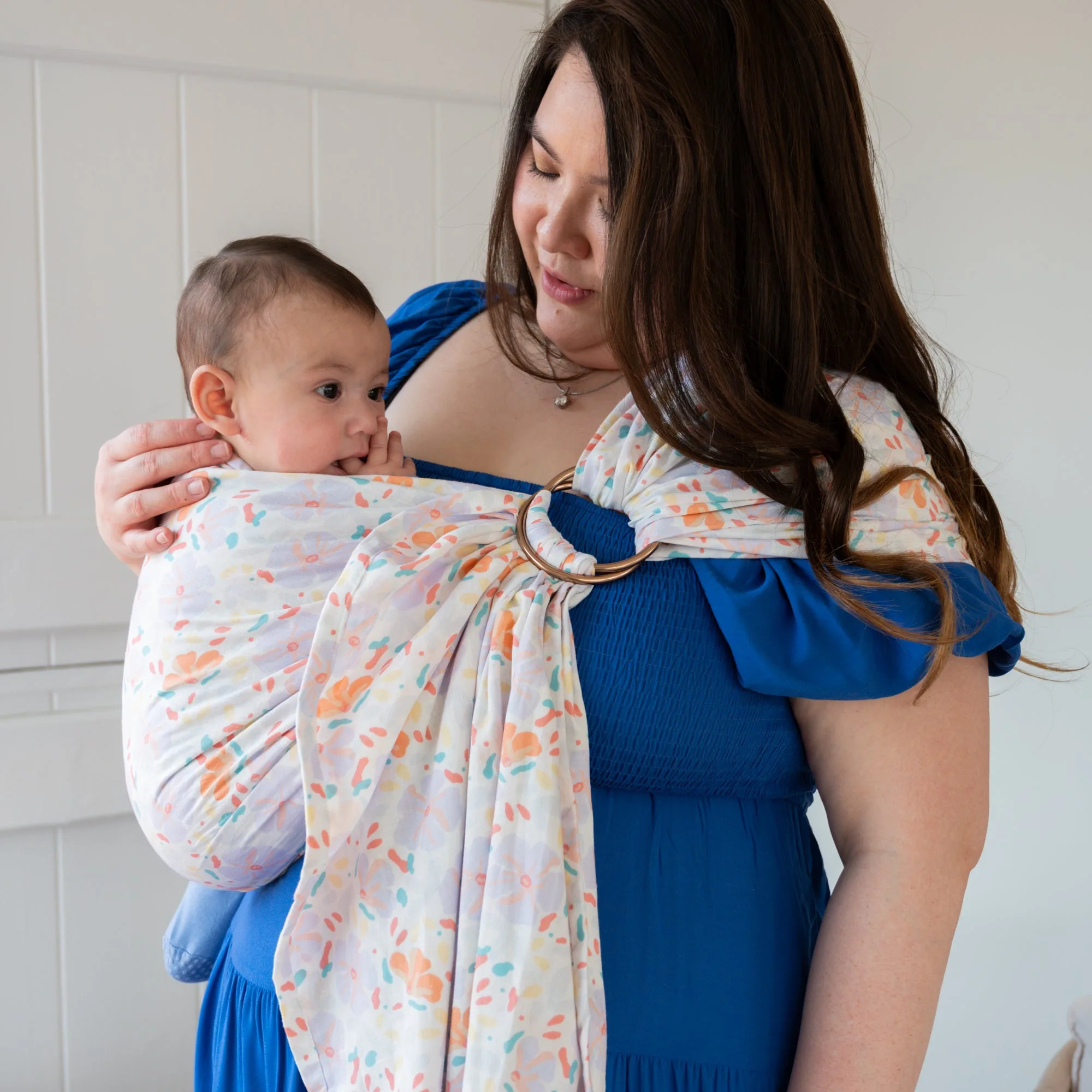
A ring sling spreads weight across one shoulder, so some asymmetry is normal. Pain that builds on one side usually means the rings sit too low or the fabric is not spread across your back and shoulder. Position the rings high on your shoulder, spread the fabric wide across your back, and keep the baby's weight high and tight against your chest. If the sling still pulls after these adjustments, a two-shoulder carrier may suit your body better for longer wears.
- Rings high on the shoulder, not down by your armpit.
- Fabric spread wide across the back and capped over the shoulder.
- Baby high and tight, with the bottom rail tucked under their knees.
When to stop adjusting and change your setup
If you have raised the seat, tightened in order, and adjusted the straps, and pain still appears within 15 minutes, the carrier's structure may not match your body or your baby's current stage. A carrier that worked for a newborn may not support a heavier baby the same way. At that point, try a different carry position, a different carrier style, or a fit check with a local babywearing group before pushing through discomfort.
- Pain that returns within 15 minutes after a correct fit is a signal to change carriers or positions.
- Pain that lasts after you take the carrier off is a reason to see a healthcare provider.
- Numbness, tingling, or sharp pain is never a fit problem to push through.
Carrier fit troubleshooting: symptom, cause, fix, stop point
- Lower back ache within 10 minutes: The waistband is sitting on your hips and the baby's seat is below your navel, so your lower back carries the load. Raise the waistband to navel height, bounce gently, and tighten the horizontal straps. If the ache returns on the next wear, the carrier's waist structure may not match your torso length.
- Shoulders and neck burn after 20 minutes: The shoulder straps are tightened before the waistband, pulling the baby away from your body and loading your neck. Loosen everything, tighten waistband first, then horizontal straps, then shoulders. If the burn returns, adjust the chest strap height or try crossed straps before changing carriers.
- One-sided pain in a ring sling: The rings sit too low or the fabric is bunched instead of spread across your back and shoulder. Move the rings high on your shoulder and spread the fabric wide. If one-sided pain persists after three adjusted wears, a two-shoulder carrier may be the better long-wear choice.
Ring sling options that change how weight sits
- Guava Ring Sling: The Guava Ring Sling adjusts by sliding the fabric through the rings, with no buckles or snaps. Buckle-free adjustment lets you fine-tune tension in small increments, which helps you raise the seat and tighten the carry without overcorrecting.
- Beargrass Ring Sling: The Beargrass Ring Sling comes in three length options and multiple ring colors. Length affects where the rings sit on your shoulder and how much fabric you have to spread across your back, both of which change shoulder and back comfort.