Quick Answer
Babies often chew on rattles because the shape, texture, or sound is more engaging than a dedicated teether. This is normal mouthing behavior, but you should ensure the rattle is made from safe, non-toxic materials and is easy to grip. If the rattle is not designed for teething, consider switching to a wooden teether that offers similar sensory appeal.
Why Babies Mouth Everything, Including Rattles
Mouthing is a natural part of infant development. Babies explore objects with their mouths to learn about texture, taste, and shape. A rattle that is easy to grasp and makes a gentle sound can be more stimulating than a plain teether, which is why your baby may prefer it. This behavior is especially common during teething when gums are sore and any firm, cool object feels good.
Is It Safe for Baby to Chew on a Wooden Rattle?
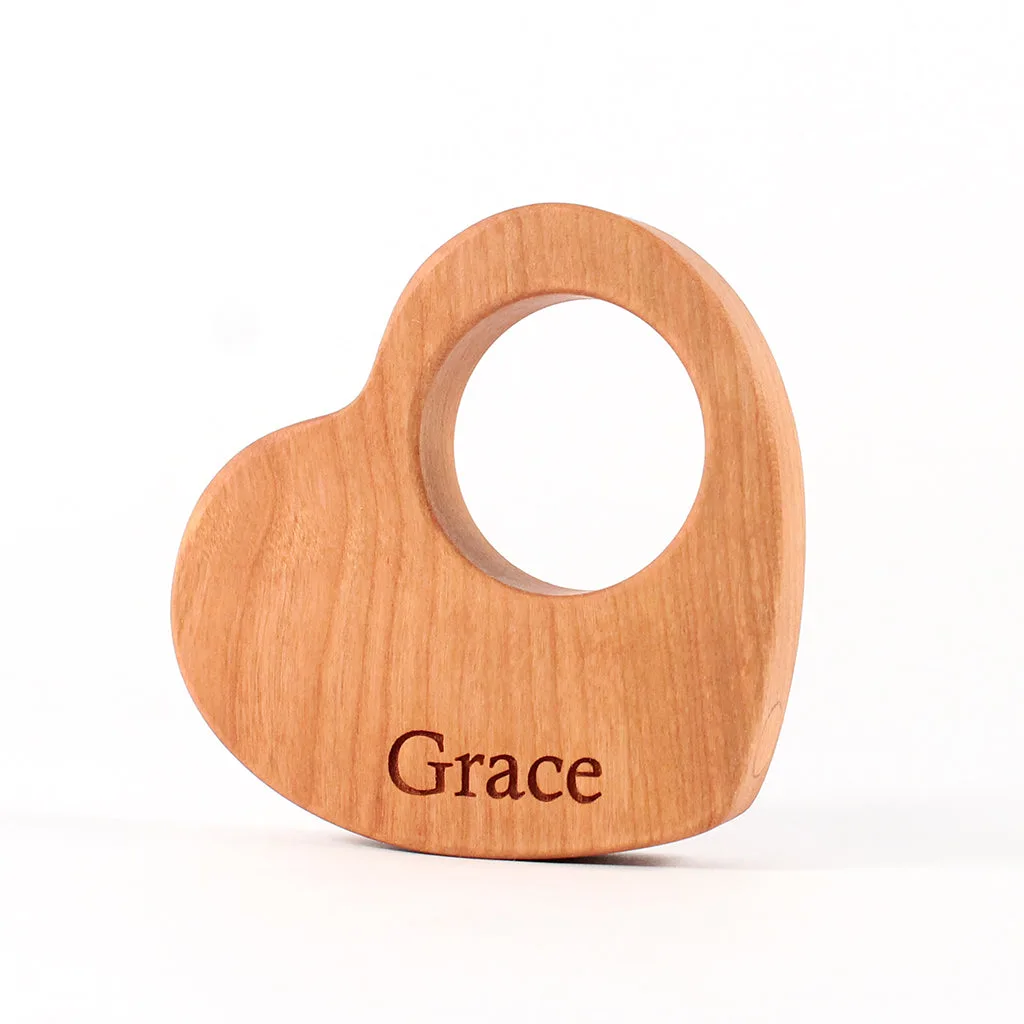
Not all rattles are created equal. A wooden rattle made from solid hardwood with a safe, food-grade finish can be a fine teething tool. For example, the Heart Wooden Toy Rattle from Smiling Tree is handcrafted from cherry wood and finished with an organic oil blend, making it safe for mouthing. However, plastic rattles with small parts or loose paint can be hazardous. Always check that the rattle is large enough not to be a choking hazard and that it has no detachable pieces.
When to Offer a Dedicated Teether Instead
If your baby is chewing on a rattle that isn't designed for teething, or if you notice signs of teething pain like drooling, fussiness, or red gums, it's time to offer a proper teether. A wooden teether like the Bunny Wood Teether or Love Bird Wood Teether is specifically shaped for sore gums, non-splintering, and easy for little hands to hold. These teethers also come without any oils or finishes, making them a pure, natural choice.
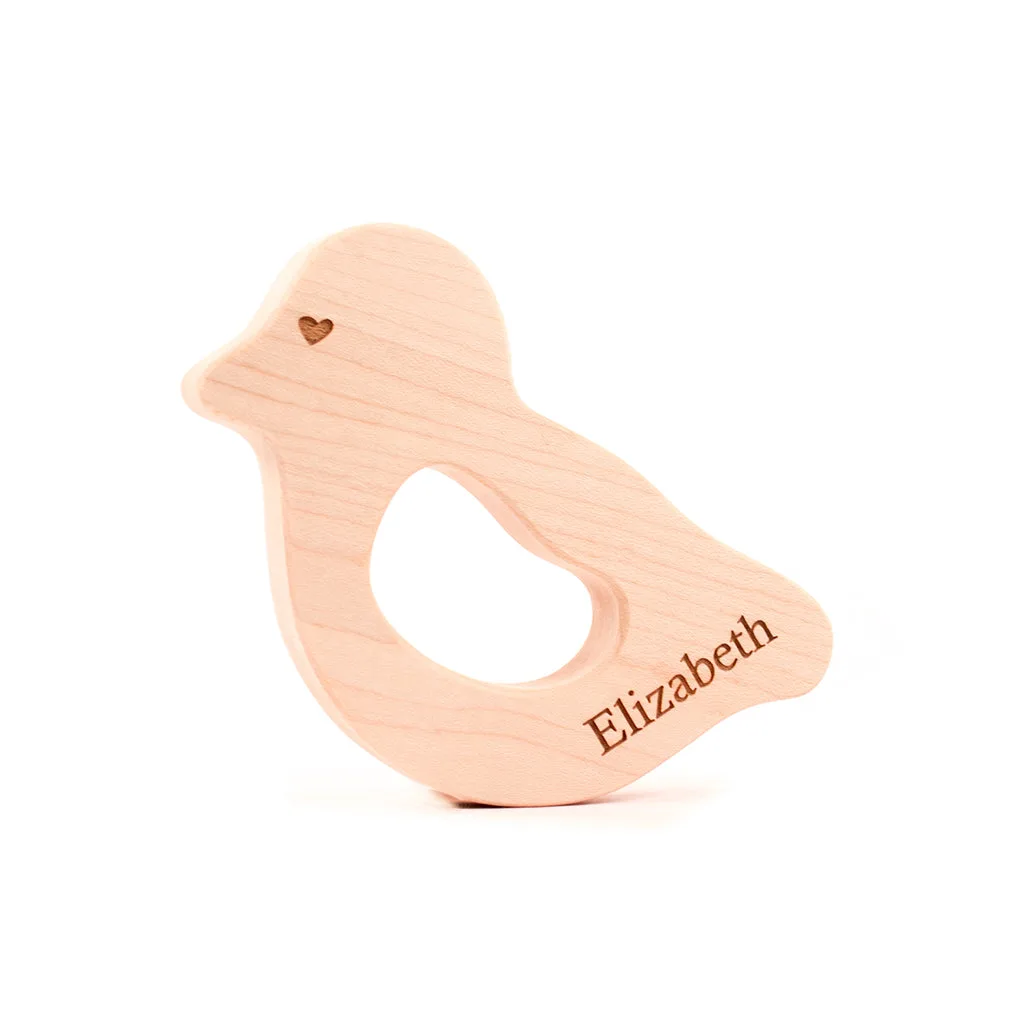
Love Bird Wood Teether
Diagnosis: Is Your Baby's Chewing a Problem?
- Symptom: Baby consistently chews on a rattle rather than a teether, even when teething pain is evident. This is normal mouthing behavior, but it may indicate the teether is less engaging.
- Likely Cause: The rattle offers more sensory input (sound, shape, texture) or is easier to grasp. The teether may be too plain or not the right firmness for sore gums. Observe which features your baby responds to—grip, sound, or texture.
- Corrective Action: Swap the rattle for a wooden teether that has a similar shape or texture, or choose a wooden rattle that is safe for chewing, like the Heart Wooden Toy Rattle. If baby accepts the teether, continue offering it. If not, the rattle may be serving both purposes safely.
- Stop or Choose Another Option: If the rattle has small parts, paint, or is made of plastic, stop allowing mouthing immediately. Switch to a dedicated wooden teether or a safe wooden rattle. Safety first: always prioritize non-toxic, non-splintering materials.
Product Facts
- Bunny Wood Teether: Smiling Tree wood teethers offer safe and all natural teething. We use sustainably harvested hardwood in its natural form: without any oils or other finishes applied. Every teether is non-splintering, silky smooth, and easy to grasp. This means the Bunny Wood Teether is completely safe for chewing, with no risk of splinters or chemical exposure, making it a better choice than a random rattle.
- Heart Wooden Toy Rattle: Handcrafted with solid cherry wood, this keepsake wooden heart rattle will delight little ones learning to grasp, shake, and chew. Smiling Tree teething rattles are softly curved, easy to grasp, and finished with our homegrown organic oil blend. If your baby insists on a rattle, this one is designed with teething in mind—its organic oil finish and gentle rattle sound make it a safe and engaging option for mouthing.