Quick answer
A baby who fights sleep is almost always overtired or overstimulated, not stubborn. Shorten the wake window, dim the room, and start your wind-down 15 to 20 minutes earlier than you think you need to. If crying escalates past 10 to 15 minutes no matter what you try, stop and reset with a calm, boring environment before attempting sleep again.
The two-minute check before you change anything
Before you assume a sleep regression or a bad habit, rule out the physical basics. A wet diaper, a scratchy tag, a room that is too warm, or a feeding that ended 40 minutes ago can all look like a sleep fight. Change one variable at a time and give it two or three nights before judging whether it worked. Tracking wake windows and nap lengths for just three days usually reveals the pattern: most sleep fights cluster at the end of a wake window that ran 20 to 30 minutes too long.
Match the sleep surface to the fight
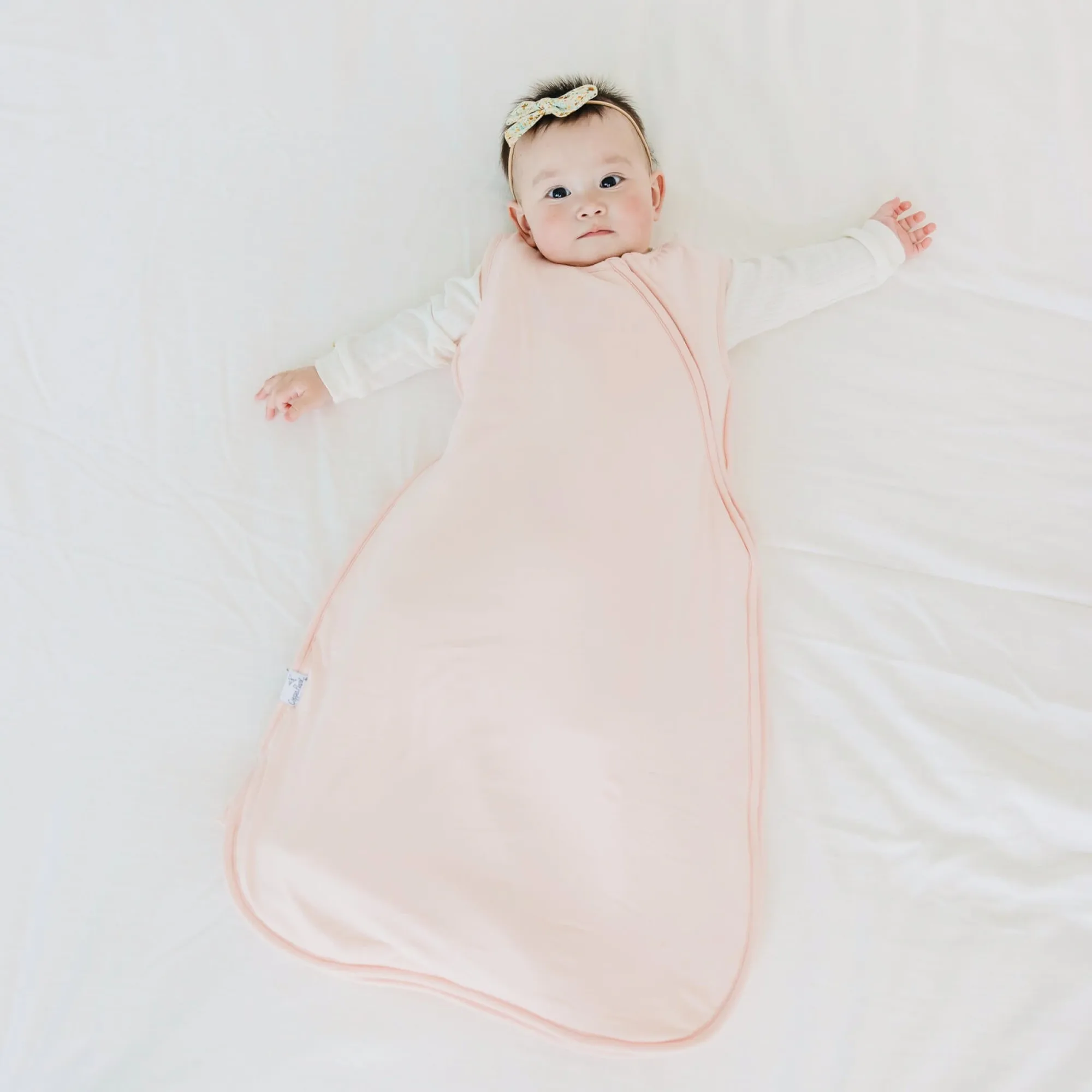
If your baby settles in your arms but wakes the moment they touch the crib, the problem is often the transfer, not the sleep itself. Warm the sleep surface briefly, lower your baby feet-first, and keep one hand on their chest for a full minute before pulling away. A sleep bag can help here because it stays on through the transfer and keeps the comfort consistent, rather than a loose blanket that shifts or gets kicked off.
Build a wind-down that does not depend on you
A bedtime routine works best when it is short, predictable, and low-stimulation: dim lights, a feed or bath if that is already part of your day, one song, then down. The goal is not to remove comfort but to make the last step repeatable by any caregiver. If every step requires you specifically, the routine becomes harder to sustain on the nights you are exhausted, which is exactly when sleep fights feel worst.
When to stop and choose another approach
If your baby is under 4 months, a formal sleep-training approach is not the right tool yet; focus on wake windows and contact naps instead. If crying lasts more than 15 minutes with no de-escalation, or if your baby arches, spits up frequently, or snores, talk to your pediatrician before continuing. And if you have tried the same fix for two weeks with no change, stop repeating it and adjust the timing or the environment rather than pushing harder.
Sleep-fight diagnosis chart
- Fussing that builds slowly after 60-90 minutes awake: This is the classic overtired pattern. Shorten the next wake window by 15 to 20 minutes and start the wind-down before the fussing starts. If the next nap goes down in under 10 minutes, you found the right window.
- Crying the moment you leave the room: Usually a transfer or association issue, not hunger. Try warming the sleep surface, feet-first transfer, and one hand on the chest for a minute. If your baby settles within 5 minutes of your hand, the surface was the problem.
- Waking 30-45 minutes after bedtime, wide awake: Often a false start from an overtired bedtime or too much daytime sleep. Shift bedtime earlier by 15 minutes for three nights. If the false start disappears, the bedtime was too late.
- Arching, straining, or frequent spitting up at sleep time: This is not a routine problem. Stop the sleep attempt and check with your pediatrician before trying any further sleep strategy. Do not push through physical symptoms.
Products that support calmer sleep
- Sleep Bag - Enchanted Friends: Three-layer knit sleep bag with a plush fill, available in multiple sizes and TOG ratings. A wearable sleep bag stays in place through the crib transfer and replaces loose blankets, so the comfort you built during the wind-down carries into sleep.
- Baby Pants - Tatooine: Baby pants with a fold-over waistband and a grow-with-me design in premium knit fabric. An adjustable waistband means a growth spurt does not turn into a tight, uncomfortable waistband that wakes your baby mid-nap.
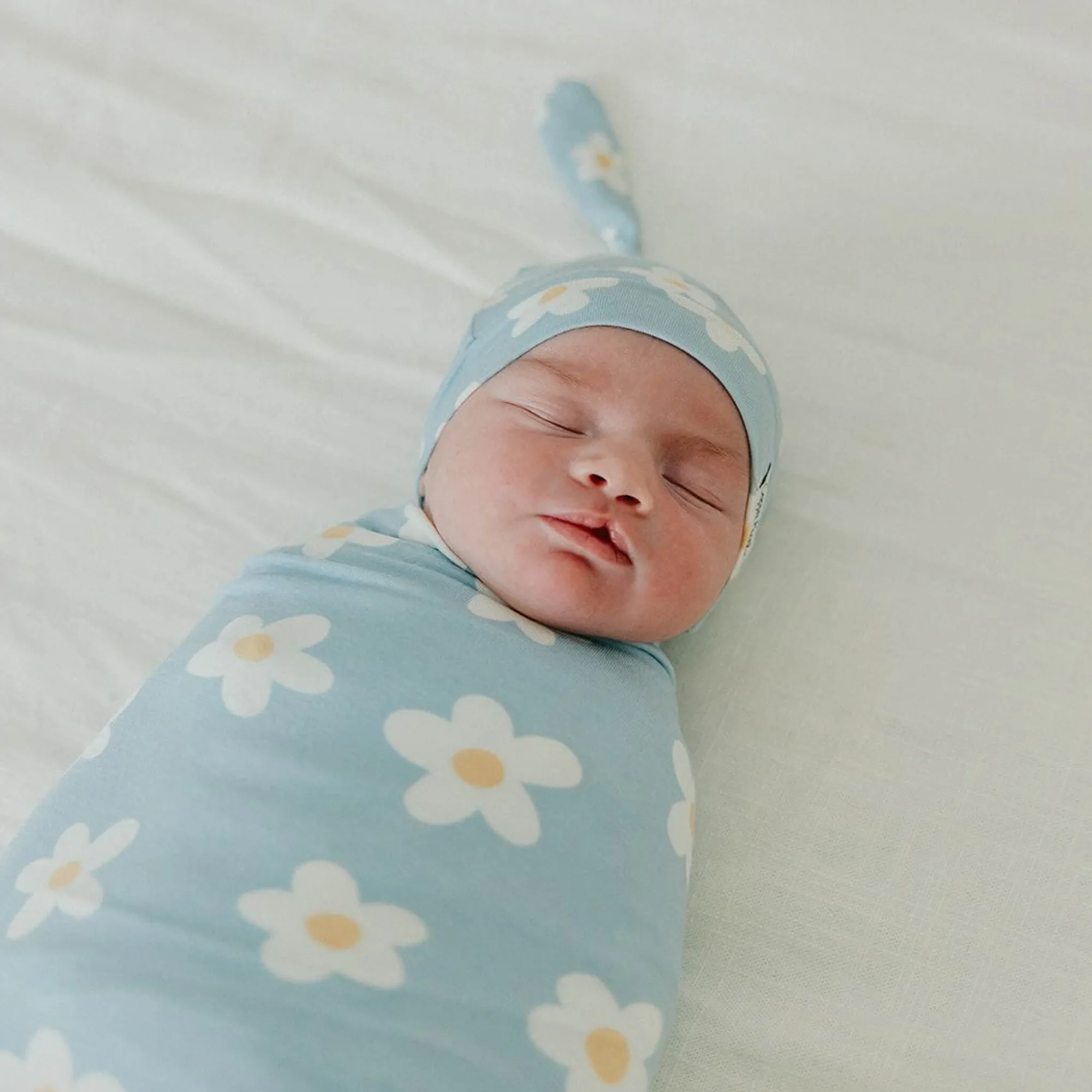
- Top Knot Hat - Super Grover: Top knot hat in stretchy, breathable fabric with an adjustable knot, available in 0-4 months and 5-18 months. A soft hat with an adjustable knot keeps a newborn cozy during the wind-down without adding a bulky layer that overheats them before sleep.