Quick answer
Most babies fight a sleeping bag for one of three reasons: they're too warm, the size or neck opening is wrong, or the switch from a swaddle or loose blanket happened all at once. Check warmth first by feeling the chest and back of the neck rather than the hands, then check that the neck opening stays snug while the legs have room to kick. If both are fine and your baby is still upset after four or five nights, the bag itself may be the wrong style for how your baby sleeps.
Check warmth before you change anything else
Overheating is the most common and most overlooked cause of a baby fighting the sleeping bag. A plush or mink-lined sack holds more warmth than a thin cotton one, so the same pajamas that worked under a lightweight sack can be too much underneath a plush one. Feel your baby's chest and the back of the neck about ten minutes after they settle. If either feels hot or damp, remove a layer of clothing rather than the bag, since the bag is doing the safety work.
Hands and feet are unreliable indicators because babies have poor circulation in their extremities. Cold hands with a warm chest usually means the room is fine and the bag is fine. A hot, sweaty chest with cold hands means the bag is trapping too much heat and you should size down the insulation, not the fit.
- Warm chest, cool hands: normal, leave the setup alone.
- Hot or damp chest and neck: remove a pajama layer or switch to a lighter bag.
- Cool chest with cool hands: add a layer under the bag, not a blanket on top.
Rule out fit problems: neck, arms, and legs
A sleeping bag that is too large can slide up over the chin during the night, which wakes babies and creates a safety problem. A bag that is too small restricts kicking, and babies who cannot move their legs freely will arch and push against the fabric. The neck opening is the critical measurement: it should sit close enough that it cannot ride up over the mouth, but loose enough that you can slide two fingers between the fabric and the neck.
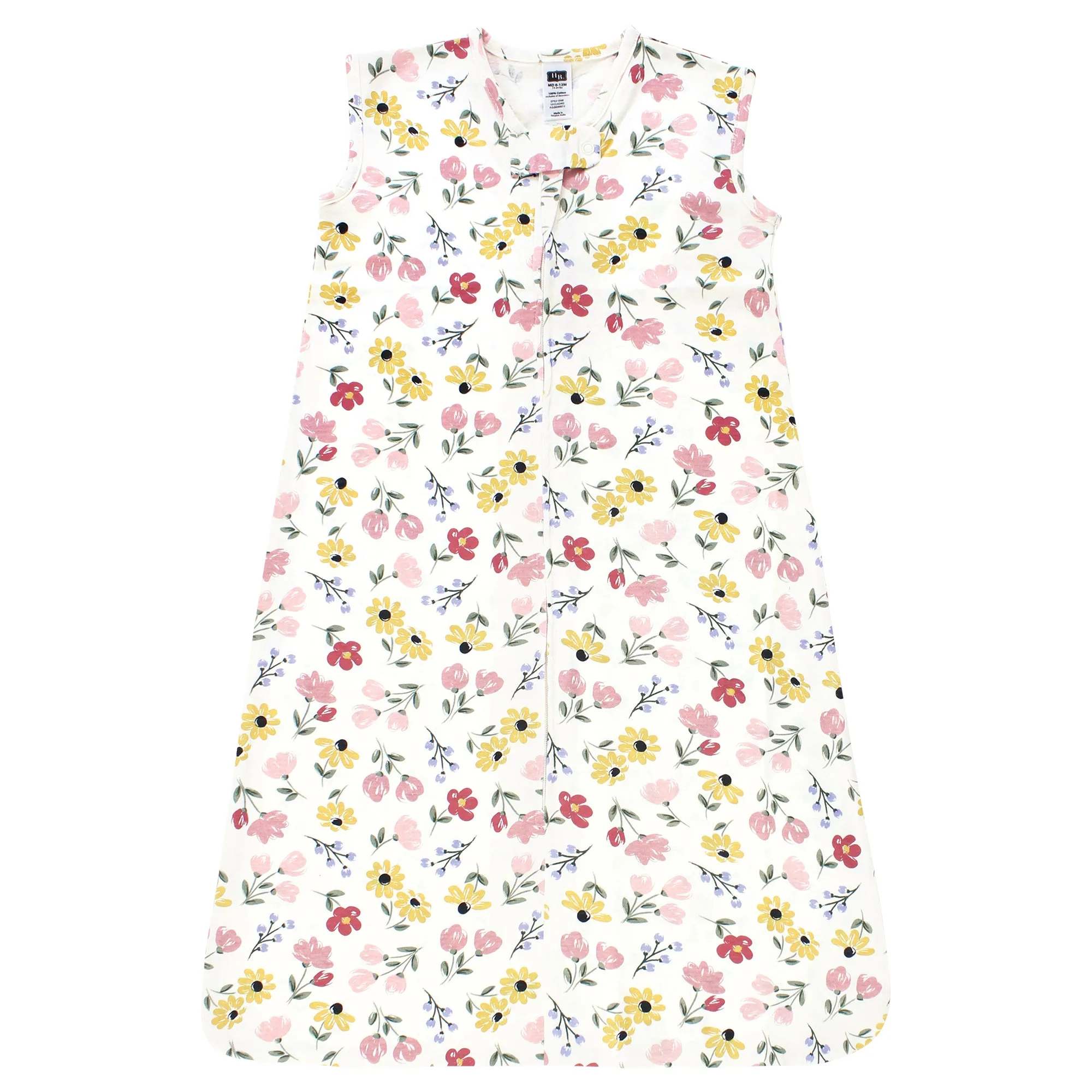
Sleeveless designs are intentional, not a cost-cutting shortcut. They let air move around the torso and keep the bag from twisting when your baby rolls. If your baby seems to be fighting the armholes specifically, that is usually a sign the bag is too wide across the shoulders rather than a sign your baby needs sleeves.
Sizing varies by brand, so treat the label as a starting point. If your baby is between sizes, choose the smaller size for a snug neck and accept that you may need to size up in a few weeks.
- Neck opening should allow two fingers but not slide over the chin.
- Legs should have room to bend and kick without the fabric pulling at the shoulders.
- Armholes that gap widely mean the bag is too big across the chest.
Slow down the transition from swaddle or blanket
If your baby recently moved from a swaddle or a loose blanket, the fight is often about the change in sensation rather than the bag. A sleeping bag feels different: the arms are free, the legs can move, and there is no tight wrap around the torso. Expect an adjustment period of about three to seven nights, and do not switch back and forth, because inconsistency stretches the adjustment out.
Start with naps before nights. Naps are shorter and lower-stakes, so a baby who tolerates the bag at naptime is more likely to accept it at bedtime. Keep the rest of the routine identical — same order, same light level, same songs — so the only new variable is the bag itself.
If your baby was swaddled and is now rolling, do not go back to the swaddle. Use the sleeping bag and add a calming step instead, such as a longer wind-down or a pacifier if you already use one.
- Introduce the bag at naptime for two or three days first.
- Keep every other part of the bedtime routine unchanged.
- Give it a full week before deciding the bag does not work.
When the problem is the bag style, not the routine
Some babies fight specific fabrics. Plush and mink textures are soft but can feel heavy or clingy to a baby who runs warm or who is used to smooth cotton. If your baby calms down as soon as the bag is off and the sheet is cool against their skin, the fabric is the likely culprit.
Texture also matters for babies who like to rub or grip fabric to self-soothe. A plush exterior gives them something to hold; a smooth mink exterior does not. Neither is better, but matching the texture to your baby's habits reduces the fighting.
If you have tried a lighter fabric, confirmed the fit, and given the transition a full week, the next step is a different bag rather than a different bedtime routine.
Diagnose the fight in four checks
- Symptom: baby arches and pushes at the bag within minutes of being zipped in: Feel the chest and back of the neck. If either is hot or damp, the bag is trapping too much heat. Remove a pajama layer first. If that does not help within two nights, switch to a lighter fabric bag.
- Symptom: baby wakes repeatedly and the bag has ridden up toward the chin: The neck opening is too wide or the size is too large for your baby's current measurements. Size down. If the smaller size restricts leg movement, this bag style is not the right cut for your baby.
- Symptom: baby slept fine in a swaddle and now fights the bag every night: This is a transition problem, not a fit or temperature problem. Hold the routine steady for a full week and start with naps. Do not return to the swaddle if your baby is rolling.
- Symptom: baby calms immediately when the bag comes off and the sheet feels cool: Fabric texture or weight is the trigger, not the sleep association. Try a smooth mink exterior or a lighter bag. If two fabrics fail, stop troubleshooting the bag and check room temperature and pajama layers instead.
Sleeping bags worth checking against these fixes
- Hudson Baby Plush Sleeping Bag, Sack, Blanket, Sleeveless Tribal: Plush sleeveless sleeping bag with a Tribal motif, machine washable, available in multiple sizes. The plush fabric is the warmest option here, so it suits cool rooms and babies who sleep cold. If your baby is fighting the bag because they feel too warm, this is the first one to set aside.
- Hudson Baby Plush Sleeping Bag, Sack, Blanket, Cream Dot Mink: Plush sleeping sack in cream dot mink fabric, designed for a gentle feel against delicate skin, easy to clean, available in multiple sizes. The mink surface is smooth rather than nubby, which helps babies who seem irritated by textured fabric against their arms and legs.
- Hudson Baby Mink with Sherpa Inner Sleeping Bag, Sack, Blanket, Boy Forest: Sleeping bag with a plush mink exterior and a warm sherpa interior in a Boy Forest pattern, available in multiple sizes. The sherpa lining adds warmth without adding a pajama layer, which is useful in a cold nursery — but it is the wrong pick if overheating is what is waking your baby.