Quick Answer
Most babies refuse a carrier because they are too warm, overtired, or the fit is uncomfortable. Try adjusting the fabric layers, using a carrier after a nap, or switching to a sleep sack or gown for better temperature regulation.
Common Reasons Babies Reject the Carrier
Overheating is one of the top causes of carrier fussiness. Babies can't regulate body temperature well, and being pressed against a warm adult body can quickly make them uncomfortable. Check your baby's neck and back for dampness or redness.
Timing matters. If your baby is already overtired or hungry, they may fight being confined. Try offering the carrier after a feed and a brief calm period.
Fit issues can also cause discomfort. A carrier that is too tight, too loose, or digging into a leg crease can make your baby squirm. Check that the fabric supports the knees higher than the bottom in a natural seated position.
Quick Fixes to Try Right Now
Dress your baby in a single lightweight layer, like a cotton onesie or a sleep gown, before placing them in the carrier. Avoid fleece or heavy blankets between you and the baby.
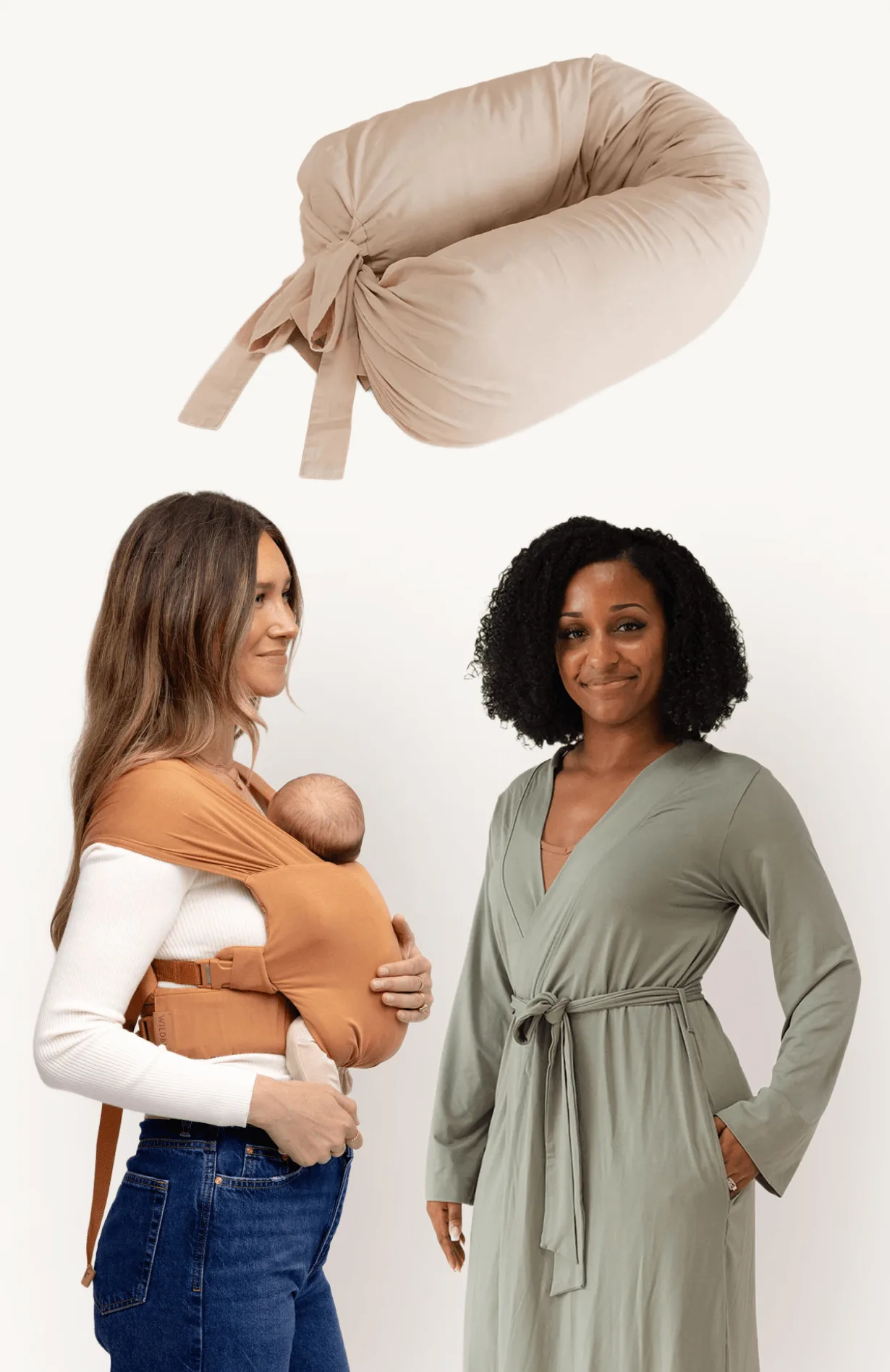
Use a carrier that allows for airflow. If you're using a wrap or structured carrier, ensure the fabric is breathable and not bunching around your baby's face.
Walk or sway gently while patting your baby's back. Movement and rhythm often soothe a fussy baby who is simply adjusting to the new position.
When to Consider a Different Sleep Solution
If your baby continues to refuse the carrier despite adjusting temperature and timing, the issue may be related to sleep associations. Some babies prefer to be swaddled or laid flat in a bassinet.
A wearable blanket like a sleep sack can provide the cozy feeling of being held without the pressure of a carrier. This can be especially helpful for naps or nighttime sleep when the carrier isn't practical.
Carrier Fussiness Diagnosis
- Symptom: Baby cries, arches back, or pushes away when placed in the carrier. This is a sign of discomfort, not rejection of being held.
- Likely Cause: Overheating, poor timing (tired or hungry), or improper carrier fit. Check temperature first, then timing, then fit.
- Corrective Action: Remove one layer of clothing, try after a nap and feed, and adjust carrier straps to support a natural seated position. Most babies settle within 2–3 minutes of these adjustments.
- When to Stop: If baby continues to cry intensely for more than 5 minutes after adjustments, or shows signs of distress like gasping or turning red. Stop using the carrier and try a different soothing method, such as a sleep sack or rocking in your arms.
Products That Help with Carrier Fussiness
- Galah - CloudBlend™ Sleep Gown: Sleep Gown featuring our luxurious CloudBlend™ fabric. This “wearable blanket” keeps baby cozy without sacrificing safety. A lightweight sleep gown is an ideal base layer under a carrier, reducing overheating while still providing comfort.
- Cormorant - CloudBlend™ Sleep Sack TOG 1: Sleep Sack featuring our luxurious CloudBlend™ fabric. This “wearable blanket” keeps baby cozy without sacrificing safety. If carrier time isn't working, a sleep sack offers a safe, snug alternative for naps and nighttime sleep.