Quick answer
Most pacifier rejection comes down to one of four things: the wrong size or nipple shape, a flow or comfort problem, bad timing around hunger or sleep, or simple preference. Fix the size and shape first, then the timing. If your baby still refuses after two weeks of calm, low-pressure tries, stop offering and let them self-soothe or use their thumb instead.
Symptom: Baby Gags or Pushes the Pacifier Out Immediately
If the pacifier comes straight back out with a gag or a tongue-thrust, the nipple is probably too long or too wide for your baby's mouth. Newborns have a small oral cavity and a strong tongue-thrust reflex that fades around 4 to 6 months. A pacifier that reaches too far back triggers that reflex instead of soothing it.
Try a smaller size and a symmetrical or orthodontic shape that sits flatter against the roof of the mouth. If your baby is under 3 months, start with a newborn size even if the packaging says 0 to 6 months. Check the shield too: it should rest against the lips without pressing on the nose.
Symptom: Baby Sucks Briefly Then Spits It Out and Cries
This usually means the pacifier is not delivering the comfort your baby expected. Hunger is the most common cause. A pacifier can quiet a hungry baby for a minute, then the baby realizes no milk is coming and gets frustrated. Feed first, then offer the pacifier after a burp.
If feeding is not the issue, check for a dirty or damaged nipple. Silicone can develop a tacky film from saliva and detergent, and a nipple with a tear or a sticky surface feels wrong in the mouth. Wash pacifiers daily in warm water with mild soap, and replace any pacifier that is cracked, discolored, or sticky.
Symptom: Baby Takes the Pacifier at Night but Refuses It During the Day
This is often a timing and association issue, not a size issue. If the pacifier is only used for sleep, your baby learns that it means sleep. Offering it mid-play can confuse them. Use the pacifier at the same moments each day: after a feed, before a nap, and at bedtime.
Some babies also reject the pacifier during teething because the firm nipple hurts their gums. In that case, a cold teething ring may work better than a pacifier. Do not freeze pacifiers; freezing makes the nipple brittle and can damage it.
Symptom: Baby Accepted the Pacifier for Weeks, Then Suddenly Refused It
A sudden change usually points to a physical or developmental shift. Check the pacifier for wear first: a nipple that has become soft, cloudy, or stretched will not feel the same. Replace it with the same brand and size before you try a different style.
If the pacifier is fine, your baby may be in a developmental leap, have an ear infection, or be congested. A stuffy nose makes sucking uncomfortable because babies breathe through their nose while sucking. Treat the congestion and try again in a few days. If refusal lasts more than a week with other symptoms like fever or poor feeding, call your pediatrician.
Pacifier Rejection Diagnosis Chart
- Immediate gag or push-out: The nipple is too long or too wide, or the tongue-thrust reflex is still strong. Size down and switch to a flatter, symmetrical shape. If gagging continues after two size changes, stop offering and talk to your pediatrician about oral anatomy.
- Sucks briefly, then cries: Hunger, a dirty or damaged nipple, or a flow problem. Feed first, then offer a clean, intact pacifier. If your baby calms with feeding but never with the pacifier, they may simply not need one.
- Takes it at night only: The pacifier is associated with sleep. Use it only at the same sleep moments, and offer a cold teething ring during the day if gums are sore. If day refusal does not bother your baby, keep the pacifier as a sleep-only tool.
- Sudden refusal after weeks of success: Check for a worn nipple, congestion, an ear infection, or a developmental leap. Replace the pacifier first, then treat symptoms. If refusal lasts more than a week with fever or poor feeding, call your pediatrician.
- Consistent refusal for two weeks or more: Your baby may prefer thumb sucking or self-settling. Thumb sucking is always available and does not fall out of the crib, but it is harder to stop later. Stop offering the pacifier and let your baby choose their own comfort habit.
Comfort Items That Support Calm Settling
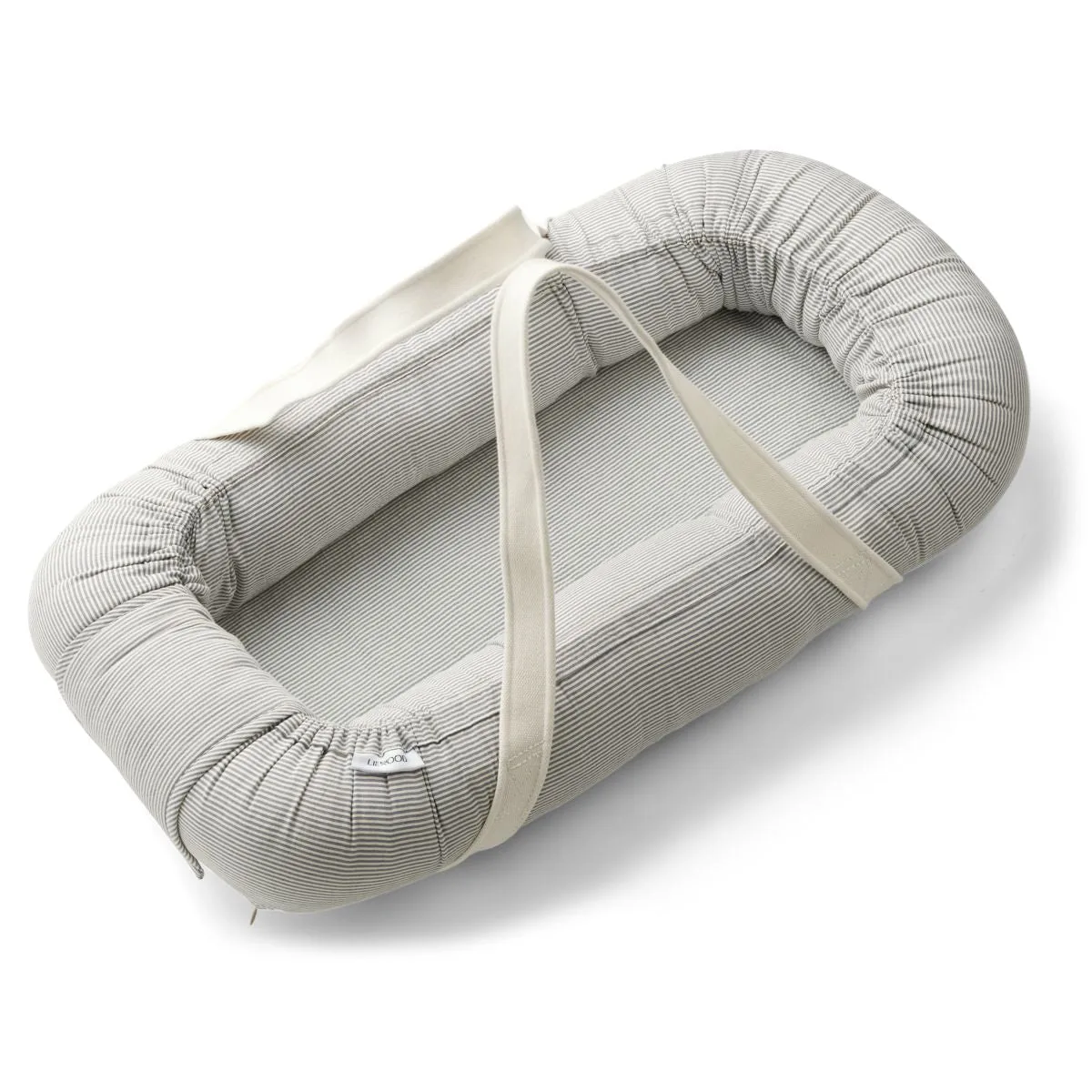
- Gro Striped Baby lift - Y/D stripe: Blue wave/creme de la creme: Combined baby lift and nest with raised sides and handles for easy carrying; can be placed on flat surfaces around the house and in some prams; removable and washable cover. A consistent, familiar sleep spot can reduce the frantic settling that makes a baby reject the pacifier. If your baby associates the pacifier with the same nest every time, the association gets stronger and the pacifier becomes easier to accept.
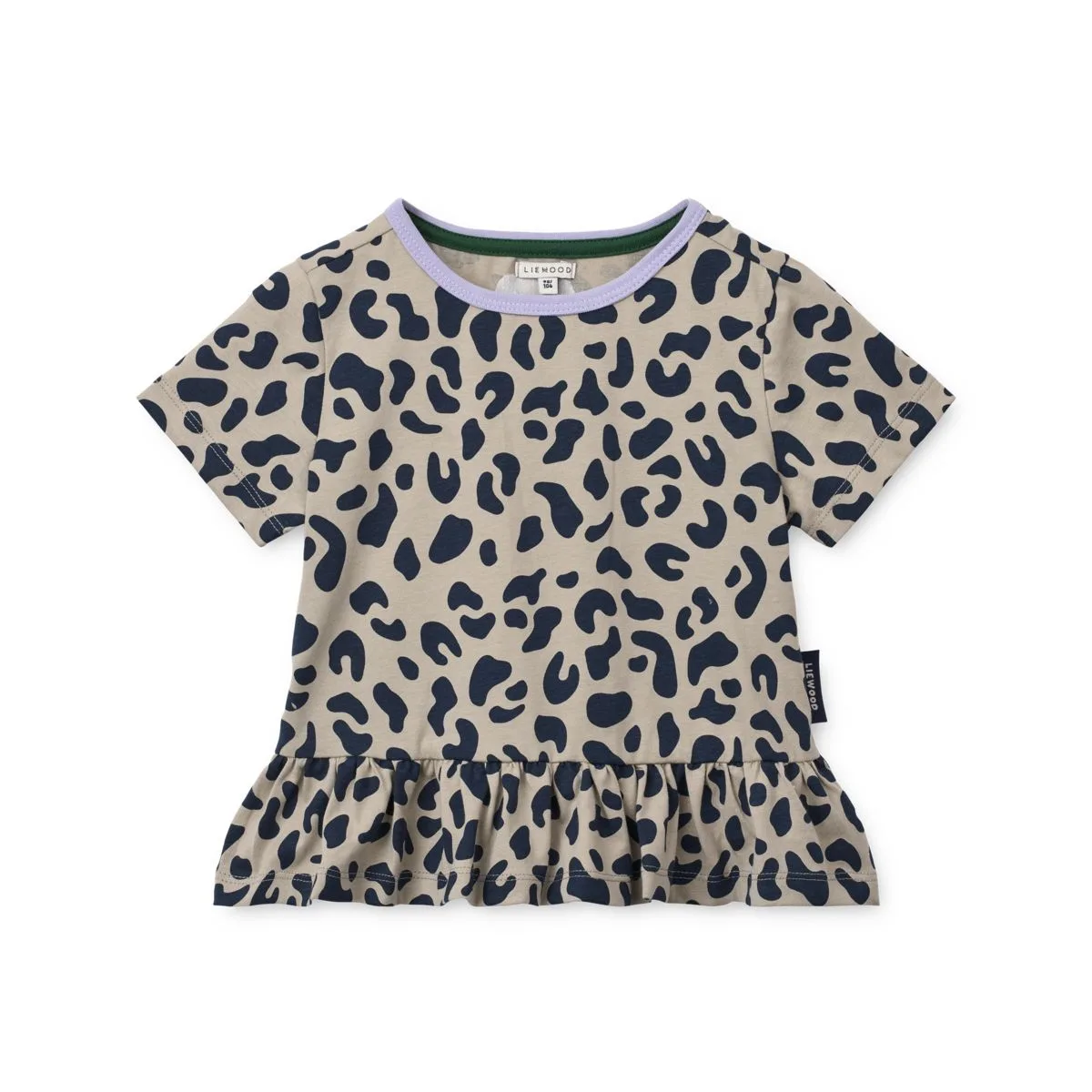
- Kya Short-sleeve peplum T-shirt - Leo / Mist: Crafted from organic cotton with a soft peplum hem and a relaxed silhouette. When you are doing repeated pacifier trials, a soft, breathable top keeps your baby comfortable and reduces the chance that scratchy fabric or tight clothing adds to their fussiness.