Quick answer
A white cast from baby sunscreen is normal and expected with mineral formulas, not a sign the product is bad or that you applied too much. It happens because mineral filters like zinc oxide sit on top of the skin to block UV rays. You can reduce how noticeable it looks by warming the lotion between your fingers, applying in thin layers, and giving it a minute to settle.
Why zinc oxide leaves a white residue
Mineral sunscreens use zinc oxide as the active filter. Unlike chemical filters that absorb into the skin, zinc oxide stays on the surface and reflects or scatters UV rays. That surface layer is exactly what protects your baby, but it is also what you see as a white or purple-ish tint, especially on deeper skin tones. The residue is the protection working, not a defect.
Why some mineral formulas look whiter than others
The amount of white cast depends on the formula, the particle size, and how much you apply. A lotion with non-nano zinc oxide will usually look more opaque than a spray or stick because it is concentrated and meant to be spread thickly. Sprays and sticks can feel lighter because they go on in a thinner film, but you still need enough to reach the labeled SPF. If a product does not list its particle size or tint, treat that as unknown rather than assuming it will be invisible.
How to apply mineral sunscreen so it blends better
Start with a small amount and build up. Dot the lotion on the face, then warm it between your fingertips for a few seconds before pressing and smoothing it outward. Give it a minute to settle before judging the finish. On arms and legs, apply in long strokes rather than rubbing in circles, which can leave streaks. Reapply every two hours or after swimming, even if the cast looks lighter than before. Never skip a spot just to avoid the white look, because that leaves skin unprotected.
When a white cast is actually a good sign
If you can see a slight tint, you can also see where you applied. That visual cue helps you avoid missing the ears, neck, or tops of the feet. For babies with sensitive skin, a visible mineral layer often means you are using a fragrance-free, non-nano formula that stays on the surface instead of absorbing. The tradeoff is a temporary tint that fades as the product settles and as your baby moves around.
White cast claims: verdicts
- Claim: White cast means the sunscreen is not working: Mineral filters like zinc oxide protect by sitting on top of the skin. That surface layer is what you see as a white cast. A visible residue is not a failure; it is the filter doing its job. Verdict: False. The cast is a normal part of mineral protection.
- Claim: You can rub mineral sunscreen in until the white disappears: Rubbing too hard can push the product into a thinner, uneven film and leave gaps. Warm it between your fingers, apply in thin layers, and let it settle instead of scrubbing it away. Verdict: Do not rub it in to clear the cast. Apply evenly and leave it.
- Claim: A spray or stick will never leave a white cast: Sprays and sticks can look lighter because they go on thinner, but they still contain mineral filters. If you do not apply enough to reach the labeled SPF, you get less protection even if the skin looks clear. Verdict: Lighter look, same rule. Coverage first, appearance second.
Mineral options that explain the cast
- Mineral Sunscreen Lotion SPF 50: Mineral Sunscreen Lotion SPF 50 uses 100% non-nano mineral protection with up to 80 minutes of water resistance and sugarcane-derived squalane. Non-nano zinc oxide is the main reason this lotion can look white at first. The squalane helps it feel soft, but it does not make the mineral filter invisible. Plan to apply in thin layers and let it settle.
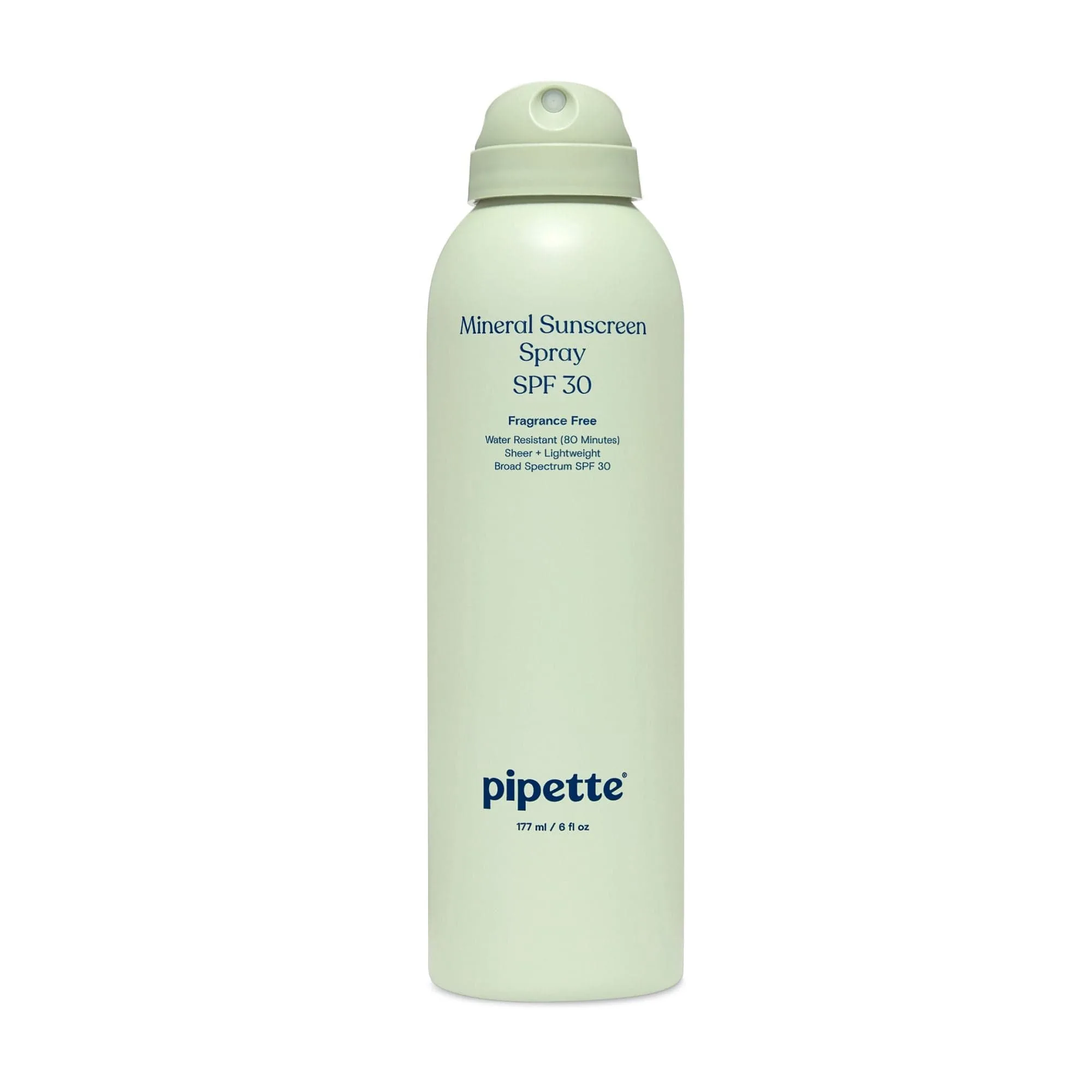
- Mineral Sunscreen Spray SPF 30: Mineral Sunscreen Spray SPF 30 is a water-resistant, hypoallergenic mineral spray with non-nano zinc oxide and squalane. A spray can feel lighter and leave less visible residue than a lotion, but you still need enough coverage for SPF 30. Spray into your hands first for the face, then smooth over the skin.