Quick answer
Most food throwing between 12 and 24 months is developmental: your baby is testing cause and effect, practicing release, or signaling that they are full or done. Respond calmly by naming what you see, ending the meal without drama, and offering one safe throwing outlet such as a soft ball after the table is cleared. If throwing comes with gagging, coughing, or distress, treat it as a feeding-safety issue and talk to your pediatrician.
Read the throw before you react
A baby who drops food while watching your face is running an experiment: what happens when I let go? A baby who throws after eating for ten minutes and turning away is usually finished. A baby who throws while squirming, arching, or rubbing eyes may be tired rather than hungry. The response that works for one is wrong for the others, so pause for two seconds and look at the pattern before you correct anything.
- Experiment throw: food goes over the side while your baby watches your reaction.
- Done throw: throwing starts after a stretch of eating, often with turning away or pushing the tray.
- Tired throw: throwing comes with fussing, eye rubbing, or arching within a few minutes of sitting down.
What to do in the moment
Keep your face neutral and your voice low. Say something short and true, like 'Food stays on the tray' or 'You're telling me you're done,' then act. For an experiment throw, remove the thrown piece without a lecture and continue the meal. For a done throw, wipe hands, lift your baby out, and end the meal. For a tired throw, skip the table and go to the next step in your routine, whether that is a nap or quiet play.
Do not chase the thrown food with a spoon or reoffer the same piece repeatedly. That turns the throw into a game with a guaranteed audience. If your baby is still hungry, offer one different, easy-to-hold food rather than the rejected item.
- Use one short script every time so the boundary stays predictable.
- Clear thrown food once, without commentary, and keep the meal moving or end it.
- Offer water in an open cup or straw cup as a neutral reset before deciding the meal is over.
Set up the meal so throwing is less likely
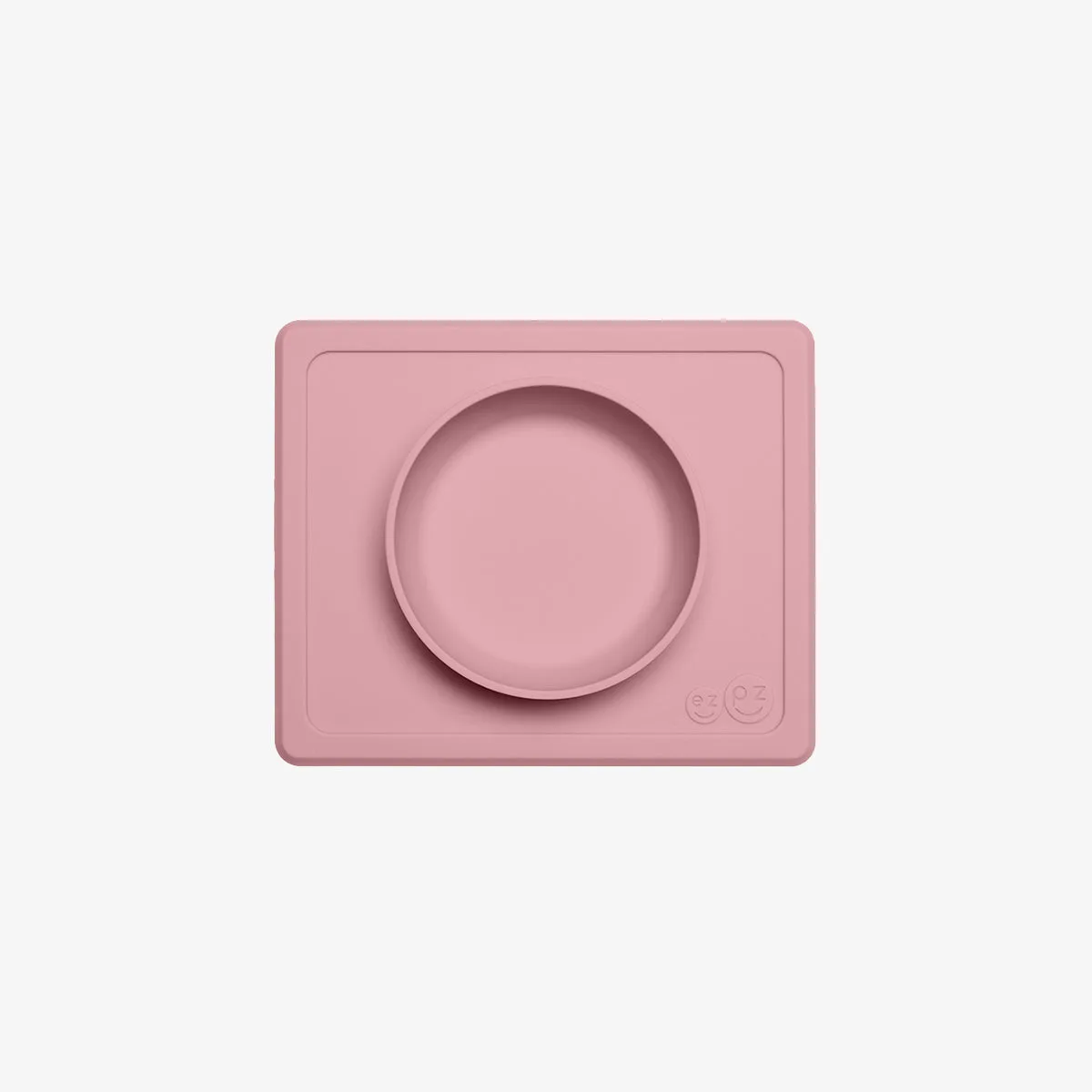
Throwing increases when a baby is bored, overhungry, or given portions that are too large to manage. Serve a few pieces at a time and add more as your baby eats. Keep the tray clear of toys and screens so the food is the main event. A bowl that stays put helps here: the Tiny Bowl is sized for small highchair trays, including the Stokke Tripp Trapp, and works for first foods like purées, yogurt, and baby cereal as well as baby-led weaning. When the bowl does not slide, your baby spends less energy chasing it and more time eating.
If your baby is working on pincer grasp, small soft pieces are easier to pick up than large slippery ones, which reduces the frustration that often ends in a throw. Give your baby a job at the table, such as picking up one piece at a time, and narrate what you see rather than what you want.
- Serve two or three pieces at a time and refill instead of loading the tray.
- Match food size to your baby's current grasp so success is possible.
- Keep the meal to about 15 to 20 minutes for this age group; after that, most babies are done.
Give throwing a safe place to happen
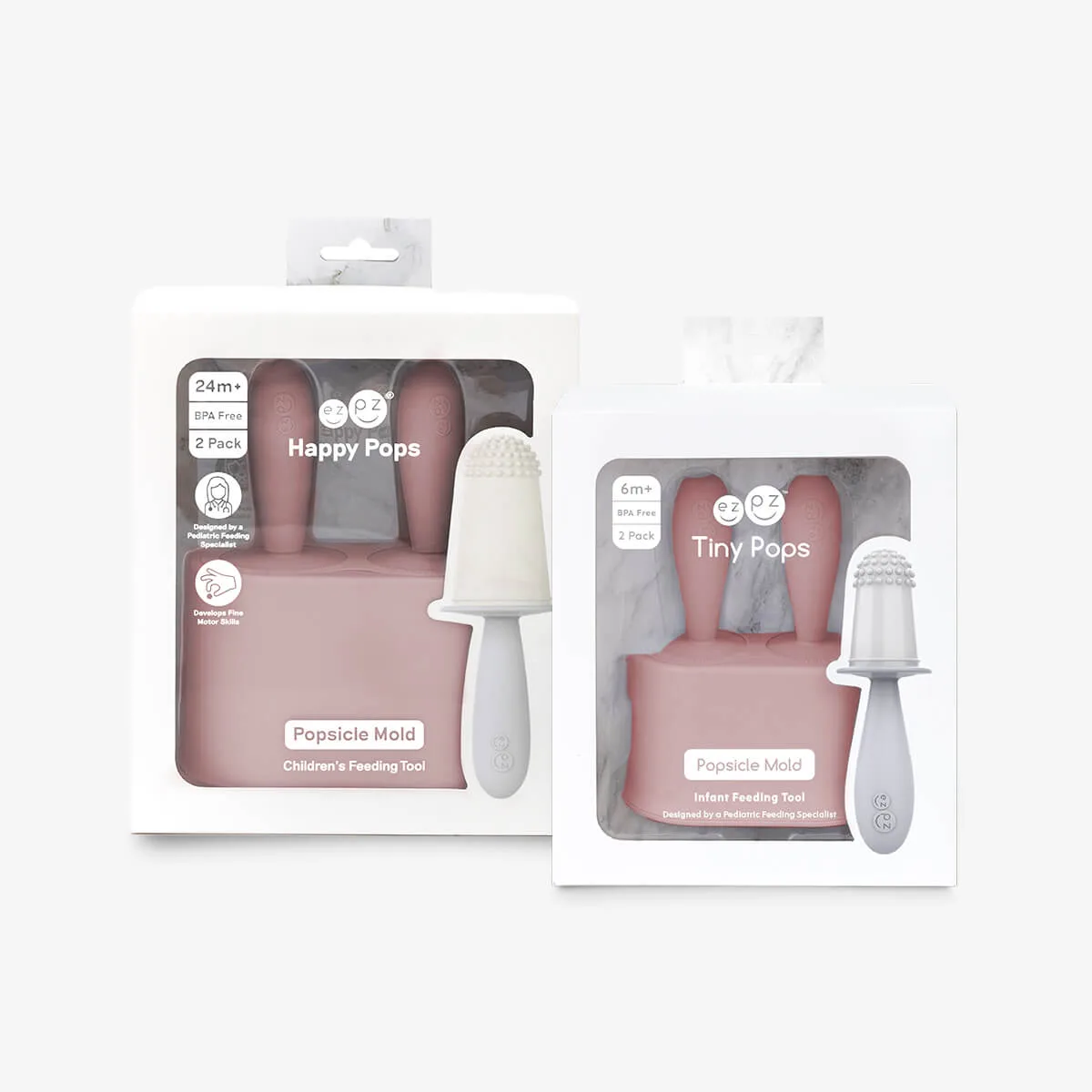
Babies who are learning to release need practice that is not food. After the meal, offer a soft ball, a rolled sock, or a small beanbag and say 'We throw this.' Pair it with 'Food stays on the tray' so the two rules live side by side. If your baby loves to eat from a stick, BapronBaby Foodie Picks are sized for little hands and can make trying new foods more fun, which often reduces the frustration that leads to throwing. Use them at the table as an eating tool, not as a toy to fling.
- Practice release with a soft object right after meals, not during them.
- Keep the throwing outlet in one spot so the rule stays clear.
- Praise the safe throw specifically: 'You threw the ball. Nice job.'
When to stop and choose another approach
Stop the meal and move on if your baby has thrown food three times in a row after one calm redirection. That is data, not defiance. If throwing happens at every meal for more than two weeks, or if your baby is losing weight, gagging, coughing, or refusing most foods, stop troubleshooting at home and ask your pediatrician or a feeding specialist. For babies under 12 months, treat repeated throwing as a cue to shorten the meal rather than a behavior to correct.
If your baby is teething or has a cold, expect more throwing for a few days. Offer cold or soft foods and lower your expectations for table manners until your baby feels better.
- Three throws after one redirection: end the meal.
- Two weeks of daily throwing or any feeding-safety sign: seek professional guidance.
- Illness or teething: pause behavior work and focus on comfort and hydration.
Diagnosis: match the throw to the fix
- The experiment throw: Food goes over the side while your baby watches your face, often with a pause before and after. This is cause-and-effect learning, not defiance. Remove the food once without a reaction, keep the meal going, and practice throwing with a soft ball after the table is cleared.
- The done throw: Throwing starts after your baby has eaten for a while, often with turning away, pushing the tray, or clamping the mouth. Your baby is telling you the meal is over. End the meal calmly, wipe hands, and try again at the next scheduled meal or snack.
- The tired or overwhelmed throw: Throwing comes with fussing, arching, eye rubbing, or a short attention span at the table. Hunger is not the main driver here. Skip the table and go to the next routine step. If this happens most meals, move the meal earlier or shorten it.
- The red-flag throw: Throwing comes with gagging, coughing, choking sounds, weight loss, or refusal of most foods, or it continues daily for more than two weeks. Stop home troubleshooting and contact your pediatrician or a feeding specialist.
Products that support calmer meals
- Tiny Bowl: The Tiny Bowl is designed to fit on the tiniest of highchair trays, including the Stokke Tripp Trapp, and works for first foods such as purées, yogurt, and baby cereal as well as baby-led weaning. A bowl that stays in place on a small tray gives your baby a stable target, so less energy goes into chasing the bowl and more into eating.
- BapronBaby® Foodie Picks: BapronBaby Foodie Picks are sized for little hands and make it more fun for a picky eater to try new foods. When new foods feel like an activity rather than a demand, babies are more likely to engage with the meal instead of throwing what they do not want to try.