Quick answer
Slipping straps are almost always a fit or loading problem, not a defect. Tighten the load first, then re-thread each adjuster so the strap runs flat through the buckle, and put the bag on with the straps already snug. If a strap still slides after that, the webbing or buckle is worn and the bag needs repair or replacement.
Start with the load, not the straps
A backpack that sags or shifts is usually carrying weight in the wrong place. Heavy items should sit against your back and in the middle of the bag, not at the bottom or in a front pocket. When the weight is low and forward, the bag pulls away from your shoulders and the straps have to work harder to stay put. Repack so the heaviest items are centered and closest to your spine, then re-tighten the straps. If the bag still feels like it is sliding down your back, the problem is the load, not the hardware.
Re-thread and re-tension the adjusters
Most slipping happens at the buckle. A strap that is twisted, folded, or threaded through only one side of the adjuster will creep loose with every step. Unthread each adjuster, lay the webbing flat, and run it through so it sits smooth and untwisted. Pull the tail to snug the strap, then give the buckle a firm tug to seat it. Do this on both sides so the bag hangs level. If you have a backpack with a sternum strap, set it after the shoulder straps, not before.
Put the bag on in the right order
How you put the backpack on matters as much as how you adjust it. Loosen the shoulder straps, put the bag on, then tighten them from the bottom up. Snug the shoulder straps first, then any load-lifter or sternum strap. Tightening in the wrong order leaves slack that works loose as you walk. If you carry the bag on one shoulder, expect the strap to slide; that is normal, not a fit problem.
Diagnose your slipping straps
- Symptom: straps loosen as you walk: The webbing is creeping through the buckle because it is twisted, folded, or threaded on one side only. Re-thread both adjusters flat and tug each buckle firmly. If it still creeps, the buckle is worn.
- Symptom: bag sags away from your back: Weight is sitting low or in a front pocket, so the bag pulls backward and the straps slide to compensate. Move heavy items to the center, closest to your spine, then re-tighten. If the sag continues, the bag is overloaded for its size.
- Symptom: one strap slips, the other does not: The two sides are adjusted unevenly, which makes one strap carry more load and work loose faster. Set both sides to the same length before you put the bag on. If one side still slips, inspect that buckle for damage.
- When to stop adjusting and choose another option: If the webbing is frayed, the buckle no longer grips, or the bag is simply the wrong size for your load, no adjustment will fix it. Repair or replace the bag, or switch to a single-strap crossbody if two-strap adjustment keeps failing.
Fit details worth knowing
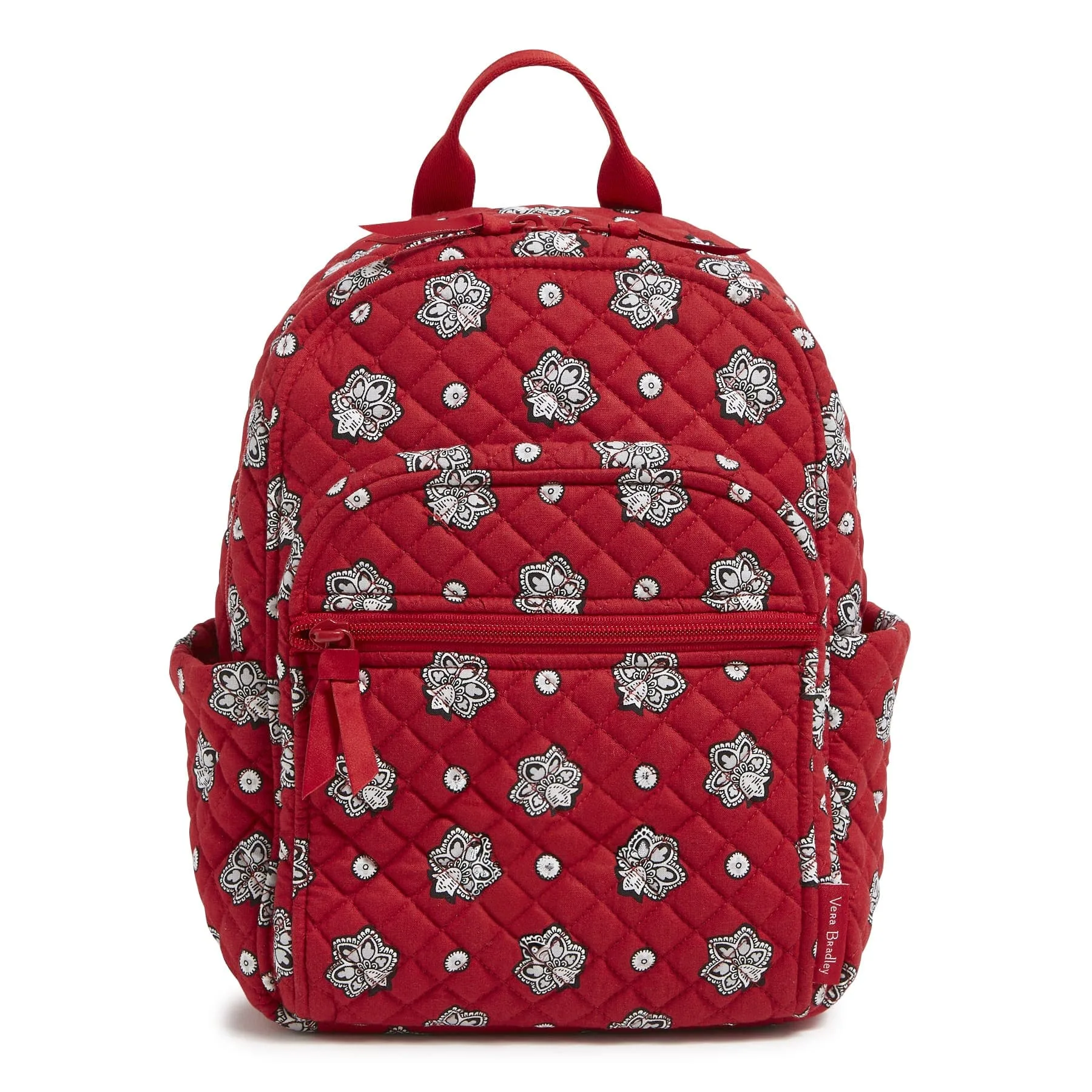
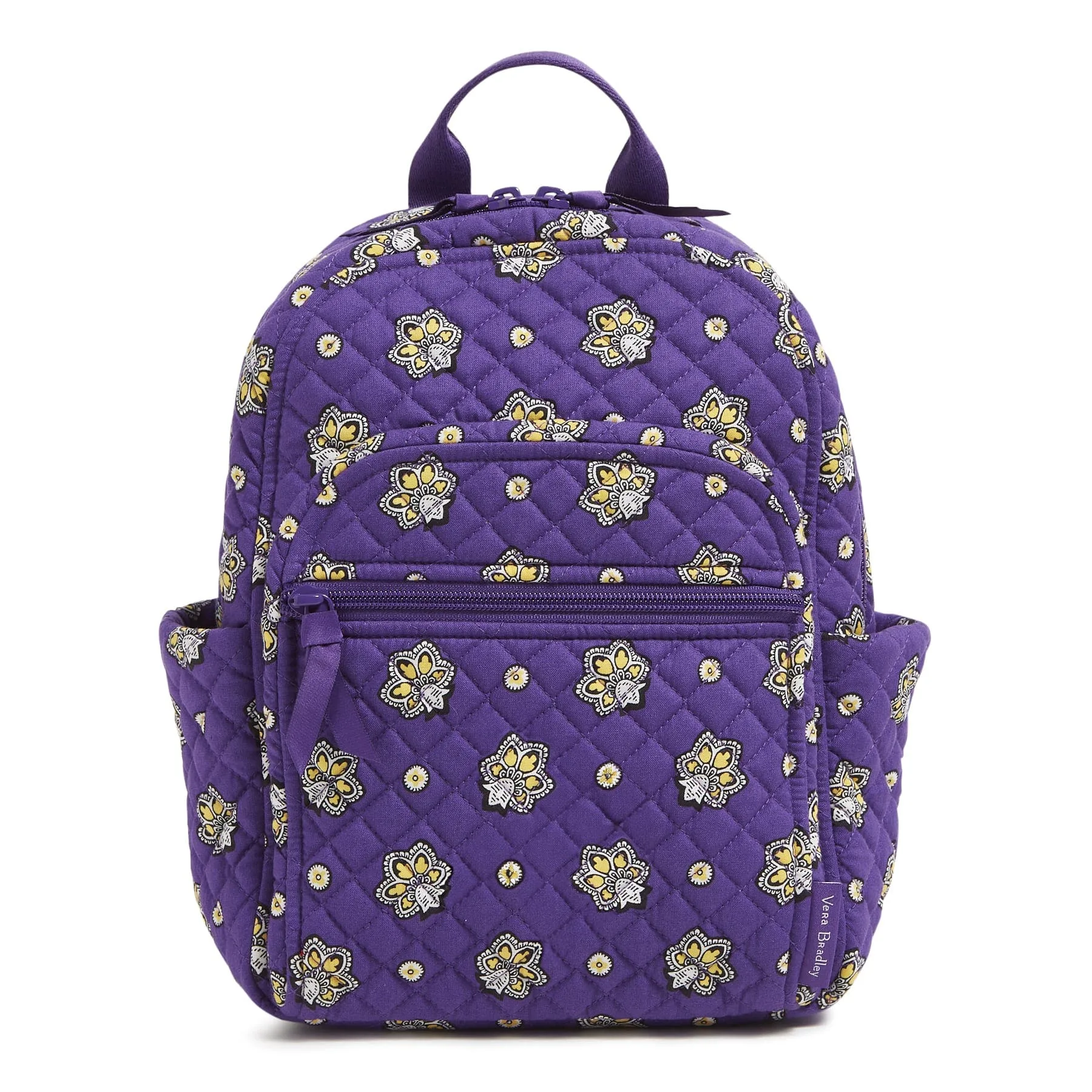
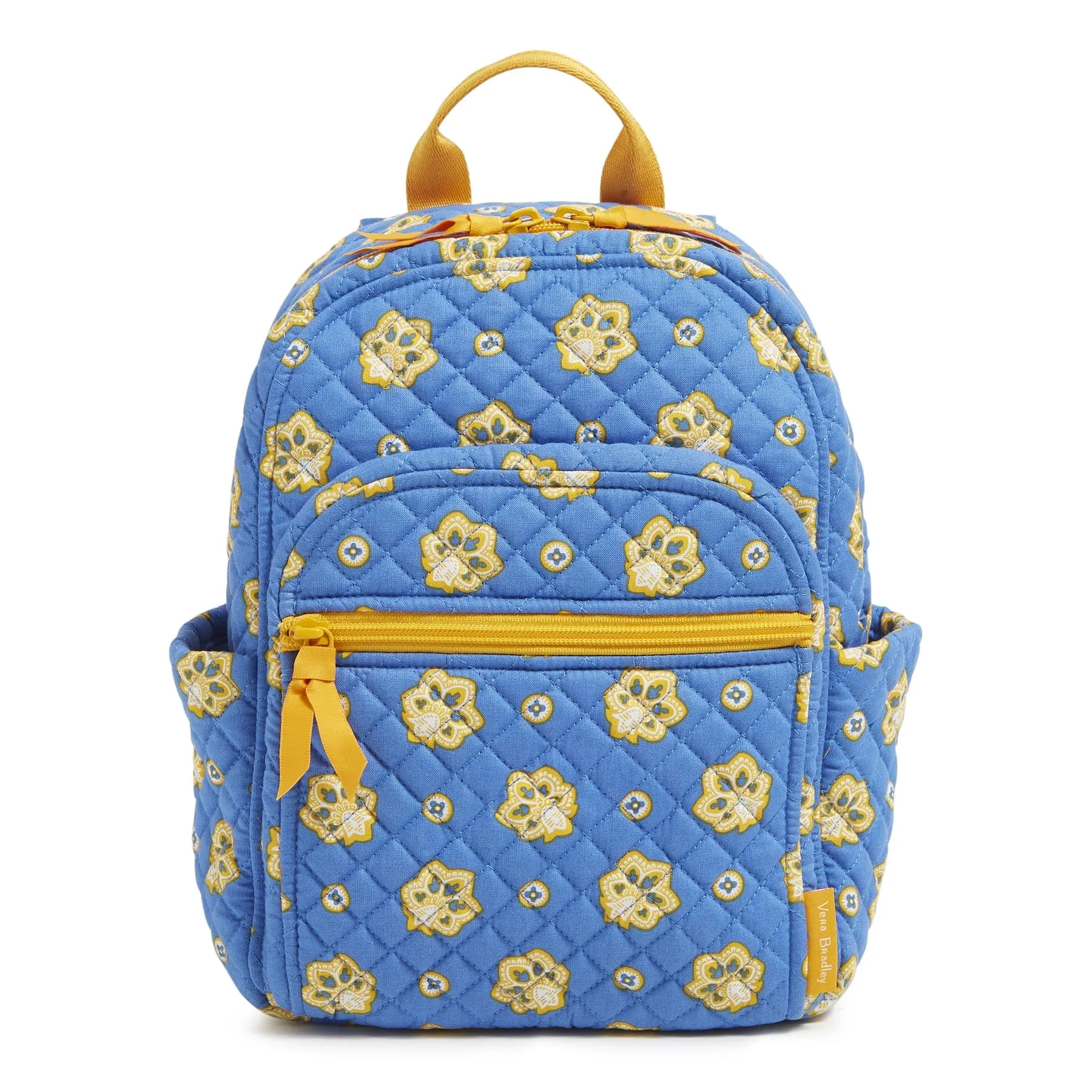
- Small Backpack: The https://verabradleyoutletex.com/products/small-backpack-27513081-7107f8227e372d13144ac72f-1639791https://verabradleyoutletex.com/products/small-backpack-3889018730-5e3b6847ee8a3c50ada22576-1639805https://verabradleyoutletex.com/products/small-backpack-3889018736-85c8191ddce6c1d060bf7d28-1639816https://verabradleyoutletex.com/products/small-backpack-3889018733-45c02c67b86da966e7167a13-1639838Small Backpack has adjustable straps and weighs 0.81 lb, with a 9.0" w x 12.0" h x 4.75" d profile. A light bag with adjustable straps is easier to keep snug because there is less weight pulling the webbing loose as you move.
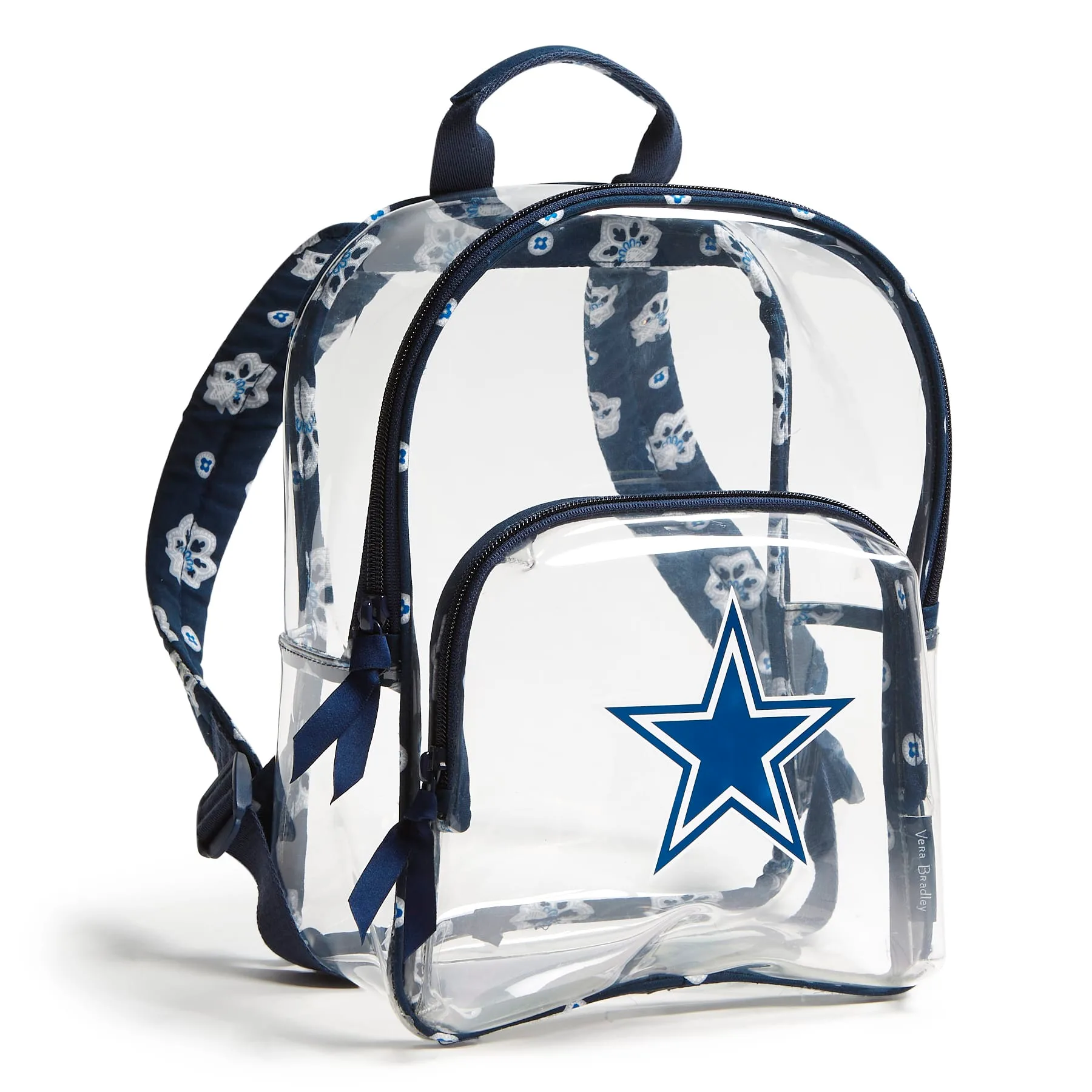
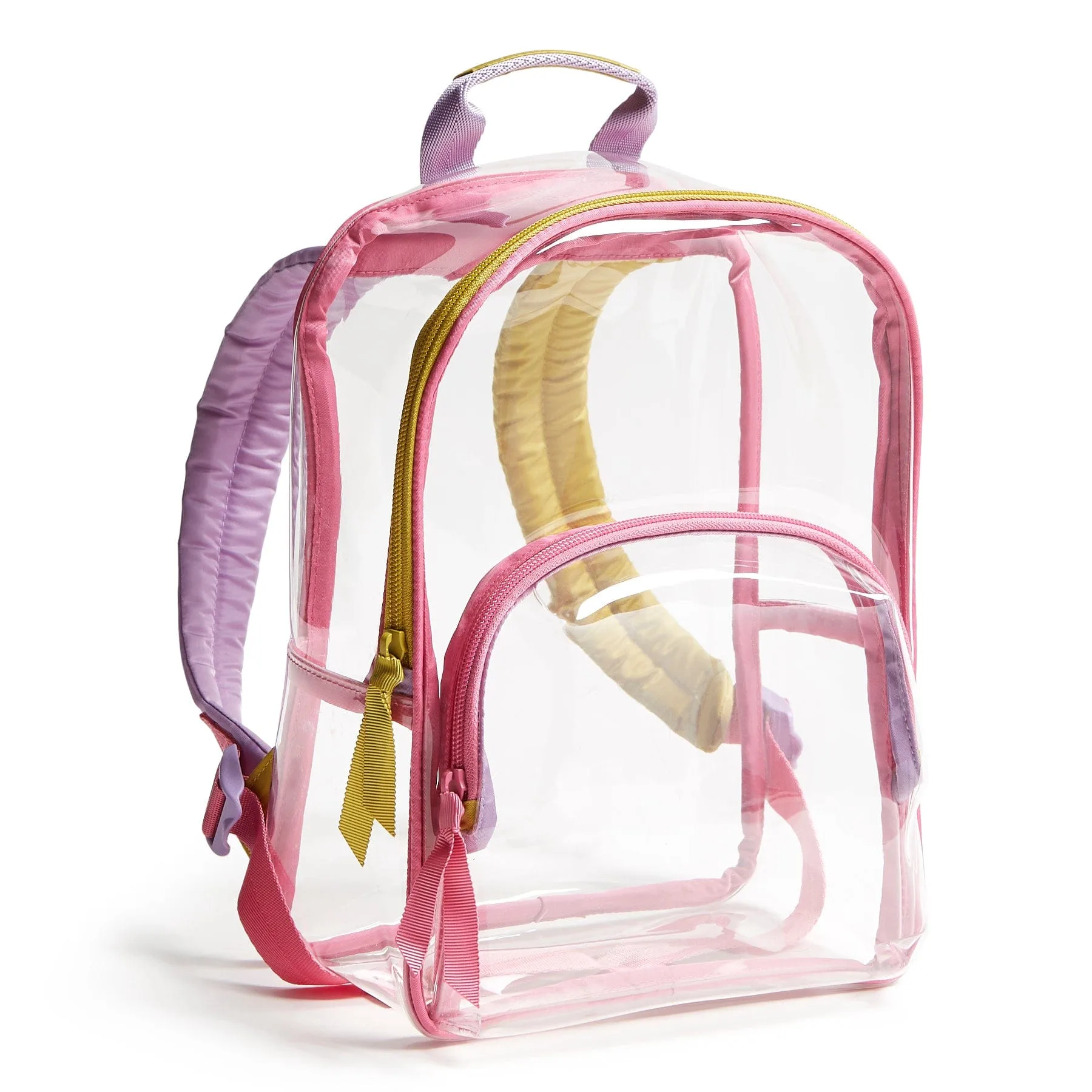
- NFL Clear Small Backpack: The NFL Clear Small Backpack has adjustable straps at 32.5" and a 2.0" handle drop. Longer strap runs give you more room to fine-tune tension, but they also need a firmer tug at the buckle to stay put.
- Outlet Medium Crescent Sling Crossbody: The Outlet Medium Crescent Sling Crossbody has an adjustable strap at 46.0" at its longest length and weighs 0.34 lb. If your backpack straps keep slipping no matter what you try, a single-strap crossbody removes the two-strap adjustment problem entirely.