Quick answer
Most blind box figures lean or fall because the base is not flat, the feet are uneven, or the surface underneath is too smooth or sloped. Start by checking the base and the shelf, not the figure itself. If the figure still tips after you level the base and move it to a flat, grippy surface, stop forcing it upright and choose a different display position or a support stand instead.
Check the base before you blame the figure
A blind box figure that falls over usually has a base problem. Turn the figure upside down and look at the bottom edge. If one side sits higher than the others, the figure will lean no matter how carefully you place it. This is common on small beans and mini figures, where the base is only a few centimeters wide and a tiny mold difference changes the balance.
Test the base on a known flat surface such as a glass table or a metal ruler. If the figure rocks when you press lightly on opposite corners, the base is uneven. If it sits flat but still leans when you let go, the weight inside the figure is off-center, which is a balance issue rather than a base issue.
- Place the figure on a flat surface and press each corner gently to feel for rocking.
- Look for a raised seam or a bump of leftover plastic on the bottom edge.
- Check whether the feet are the same height by holding the figure at eye level.
Fix an uneven base with simple tools
If the base rocks, you can often fix it without damaging the figure. Use a fine nail file or a piece of fine sandpaper on the high spot. Sand in small strokes, check the fit every few strokes, and stop as soon as the figure sits flat. Do not sand the whole base down, because you will remove the flat contact area and make the lean worse.
For a base that is too smooth and slides, add grip instead of sanding. A small piece of clear museum putty or a thin silicone pad under the feet gives the figure something to hold onto. This is a better choice for figures with painted or glossy bases, where sanding would remove the finish.
If the figure is hollow and light, a small amount of weight inside the base can lower the center of gravity. Only do this if the base has an access hole or a removable plug. If the figure is sealed, skip the weight and use a stand instead.
- Sand only the high spot, not the entire base.
- Use museum putty or a silicone pad for glossy bases that should not be sanded.
- Add weight only if the base can be opened without cutting the figure.
Fix the surface and the display spot
A perfectly balanced figure will still fall if the shelf is sloped or the surface is too slick. Check the shelf with a small level or a phone level app. Even a slight slope will make a tall, narrow figure tip over time. Move the figure to the flattest part of the shelf, or add a thin non-slip mat under the whole display area.
Glass, polished wood, and glossy acrylic are the worst surfaces for stability because they offer almost no grip. A felt pad, a cork coaster, or a non-slip shelf liner gives the base something to bite into. This is one of the simplest blind box figure stability tips, and it works even when the figure itself is fine.
Keep the figure away from doorways, air vents, and open windows. A light bump or a draft can knock over a figure that was stable for weeks. If you display on a high shelf, place the least stable figures toward the back or in a corner where they are protected.
- Check the shelf for slope with a level before adjusting the figure.
- Use a non-slip liner on glass, polished wood, or acrylic.
- Move unstable figures away from vents, doors, and open windows.
When to stop and choose another option
Stop adjusting if the figure has a warped leg, a cracked base, or a joint that will not hold. These are structural problems, and forcing the figure upright can snap a thin part. If the figure is a limited or secret character, do not risk breaking it for a small lean.
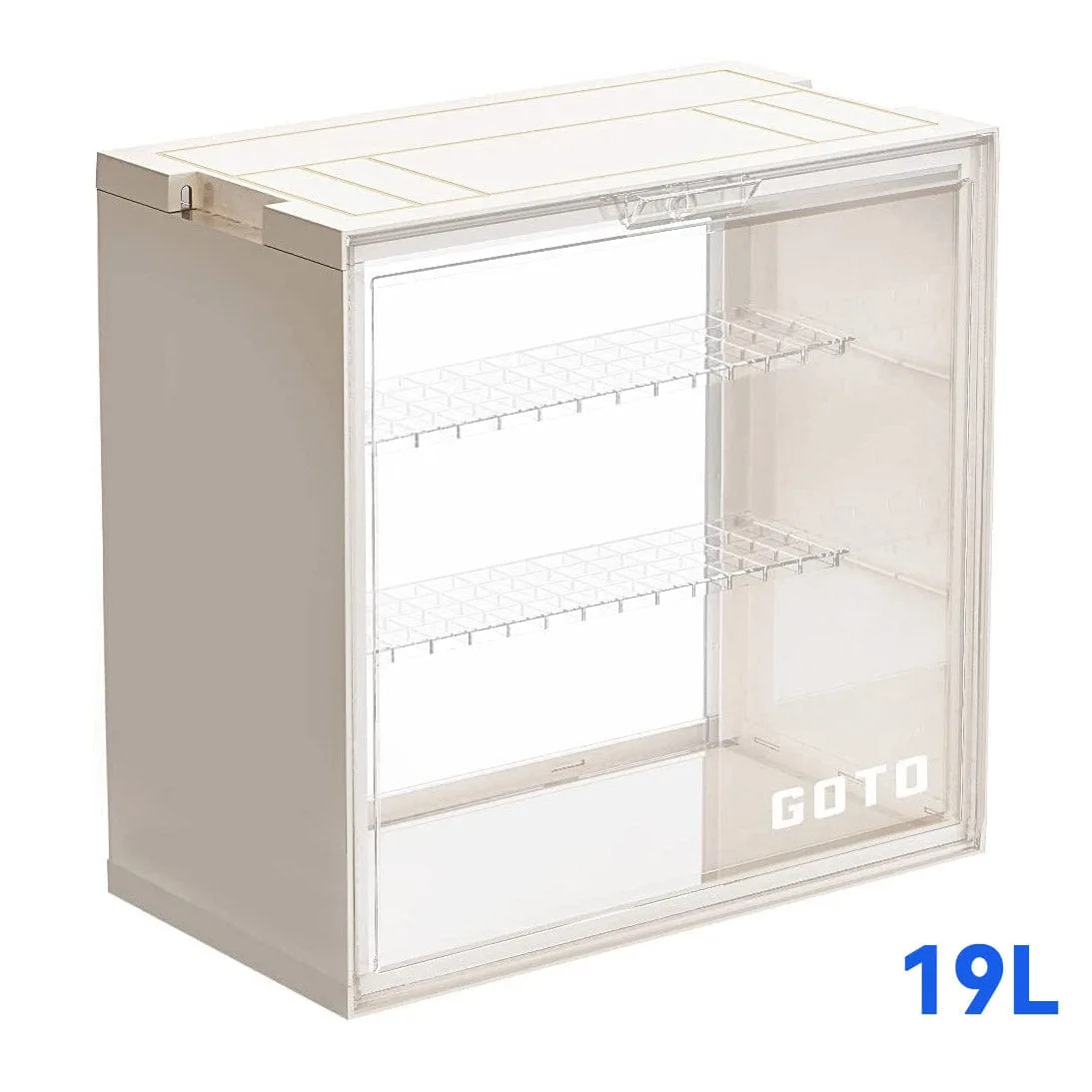
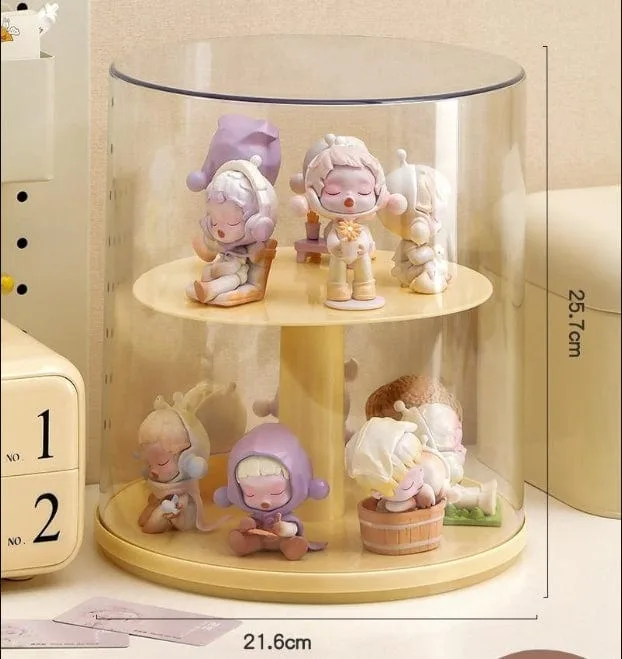
Choose a support stand or a display box with a fitted base instead. A stand takes the weight off the figure's own feet and holds it at the angle you want. If the figure is very top-heavy by design, a stand is the honest solution, not a workaround.
If the lean is only a few degrees and the figure stays put, leave it alone. Some sculpts are meant to lean, and correcting that can look worse than the original pose. Use your judgment: if it has not fallen in a week, it is probably stable enough.
- Stop if you see cracks, warping, or a joint that will not hold.
- Use a stand for top-heavy or limited figures instead of forcing them upright.
- Leave a small, stable lean alone if the figure does not fall.
Diagnosis: match the symptom to the fix
- Rocks when you press the corners: The base is uneven. Sand only the high spot with a fine file, or add a thin shim under the low side if you do not want to sand. If it still rocks after one or two light passes, stop sanding and use a stand.
- Sits flat but slides or tips on its own: The surface is too smooth or sloped. Move the figure to a flat spot and add a non-slip pad or museum putty under the feet. If it stays put for a week, the display spot is fine.
- Leans even on a flat, grippy surface: The weight inside the figure is off-center or the sculpt is top-heavy. Add weight only if the base opens; otherwise use a support stand. Do not force a top-heavy figure upright. A stand is the correct fix.
- Wobbles at a leg or joint: This is a structural problem, not a base problem. Do not sand or bend the part. Move the figure to a protected spot or retire it from display. Stop here. Forcing a warped or cracked part can break the figure.
Product facts that affect stability
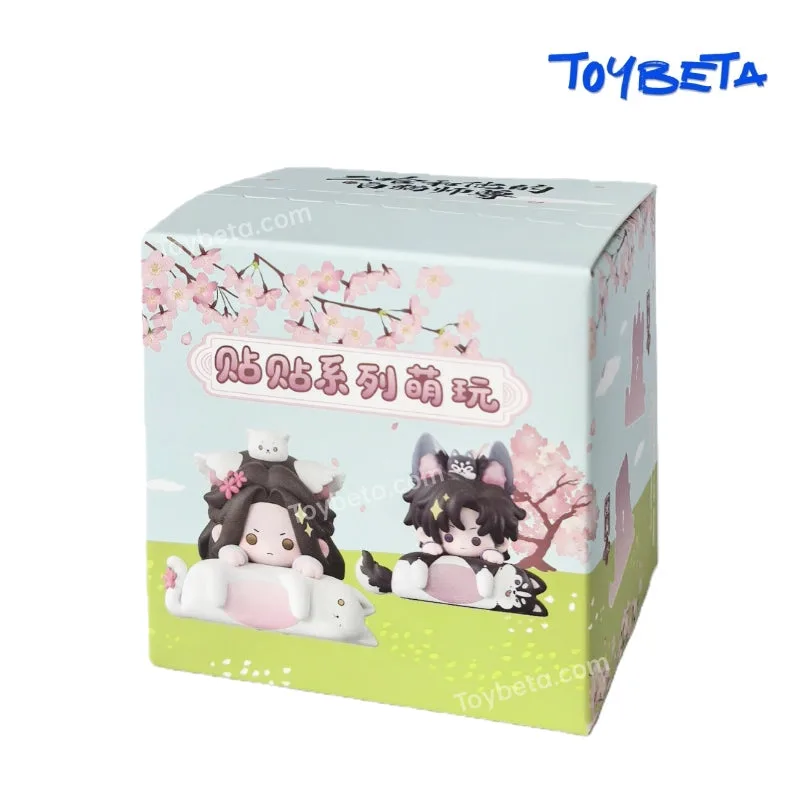
- UMI-MBTI Transported To Another World Series Beans Blind Box: UMI-MBTI Transported To Another World Series Beans Blind Box figures are about 5cm tall and made of PVC, with 16 regular and 2 secret characters. At about 5cm, a top-heavy sculpt has a small base contact area, so a flat shelf and a non-slip pad matter more than they would for a larger figure.
- MEICHAI Weather V2 Series Beans Blind Bag: MEICHAI Weather V2 Series Beans Blind Bag figures are about 3.4cm tall, with 10 regular, 10 special, and 10 secret characters. These are among the smallest beans, so even a tiny bump on the base or a slick shelf can make them slide or tip. Check the base first before adding any weight.