Quick answer
Greasy body butter is usually a dose, timing, or blend problem, not a bad product. Use less than you think you need, apply it to slightly damp skin right after a shower, and give it a full two to three minutes to sink in before you get dressed. If a rich butter still sits on top of your skin after that, your skin is telling you it needs a lighter formula or a different application window.
Symptom check: is it greasy or just slow?
Those are two different problems. A slow-absorbing butter leaves a soft, slightly tacky film that fades within a few minutes and feels comfortable. A greasy butter leaves a slick, slippery layer that transfers to your clothes, sheets, or phone screen and is still there 20 minutes later. Test it on one forearm: apply a pea-sized amount, wait five minutes, then press a tissue against the skin. If the tissue sticks or shows a clear oil mark, you are dealing with residue, not just slow absorption.
Cause 1: you are using too much
Body butter is concentrated. A dime-sized amount is often enough for one arm, and a tablespoon can cover both legs. Most people who describe body butter as greasy are using three to four times the necessary amount, then waiting for a layer that was never going to absorb. Start with half your usual dose, rub it between your palms to warm it, and press it into the skin in downward strokes rather than rubbing it in circles. Add more only to genuinely rough areas like elbows, knees, and heels.
Cause 2: you are applying it to completely dry skin
Butters are occlusives, which means they seal in water rather than adding it. On bone-dry skin there is nothing to seal, so the butter just sits on the surface. The fix is simple: pat your skin dry after a shower, leave it slightly damp, and apply within three minutes while the skin is still holding water. This single change is the fastest way to make body butter absorb faster without changing products.
Cause 3: the butter blend is too rich for your skin
Shea, cocoa, and mango butters are heavy by design, and that is exactly what dry, tight, flaky skin needs. Oily and combination skin, however, can find the same blend suffocating, especially on the back, chest, and shoulders. Look at the first few ingredients on the label: if shea or cocoa butter appears near the top, expect a richer finish. If you want a lighter experience, look for formulas where those butters appear further down the list or are paired with more liquid oils. A body butter that feels greasy on your legs may be perfect on your heels, so consider keeping one rich butter for dry zones and a lighter lotion for the rest of your body.
Cause 4: the timing and the environment
Humidity, temperature, and what you do in the five minutes after application all affect how a butter sets. In cold, dry air the butter stays firm and sits on the surface longer; in a warm bathroom it spreads and absorbs more readily. Applying right before getting dressed is the most common mistake, because fabric wicks the butter off your skin and onto your clothes. Give it two to three minutes of air time, and if you are in a hurry, use a hairdryer on the cool setting held about a foot away to help it set.
Application tips that reduce residue
Warm a small amount between your palms first, because body heat changes the texture before it ever touches your body. Work from the feet upward so the richest areas get the most attention while your hands are still lightly coated. Skip the areas that produce their own oil, like the center of your back and chest, unless they are genuinely dry. If you use body oil as well, apply the oil first and the butter second, or the butter will block the oil from reaching the skin.
Greasy body butter diagnosis
- Slick film that transfers to clothes: You applied too much product or applied it to dry skin. Cut the dose in half, apply to damp skin within three minutes of showering, and warm it between your palms first. Recheck after three days. If the film is gone, the product was fine all along.
- Soft film that fades in a few minutes: This is normal slow absorption, not grease. Give it two to three minutes before dressing, or use a cool hairdryer to speed setting. No product change needed. Adjust your routine timing instead.
- Residue persists on oily areas like back and chest: The butter blend is too rich for those zones. Keep the rich butter for legs, elbows, and heels, and use a lighter moisturizer on oilier areas. If every area of your body feels greasy after correct dosing and damp-skin application, switch to a lighter formula for daily use.
Products worth knowing about
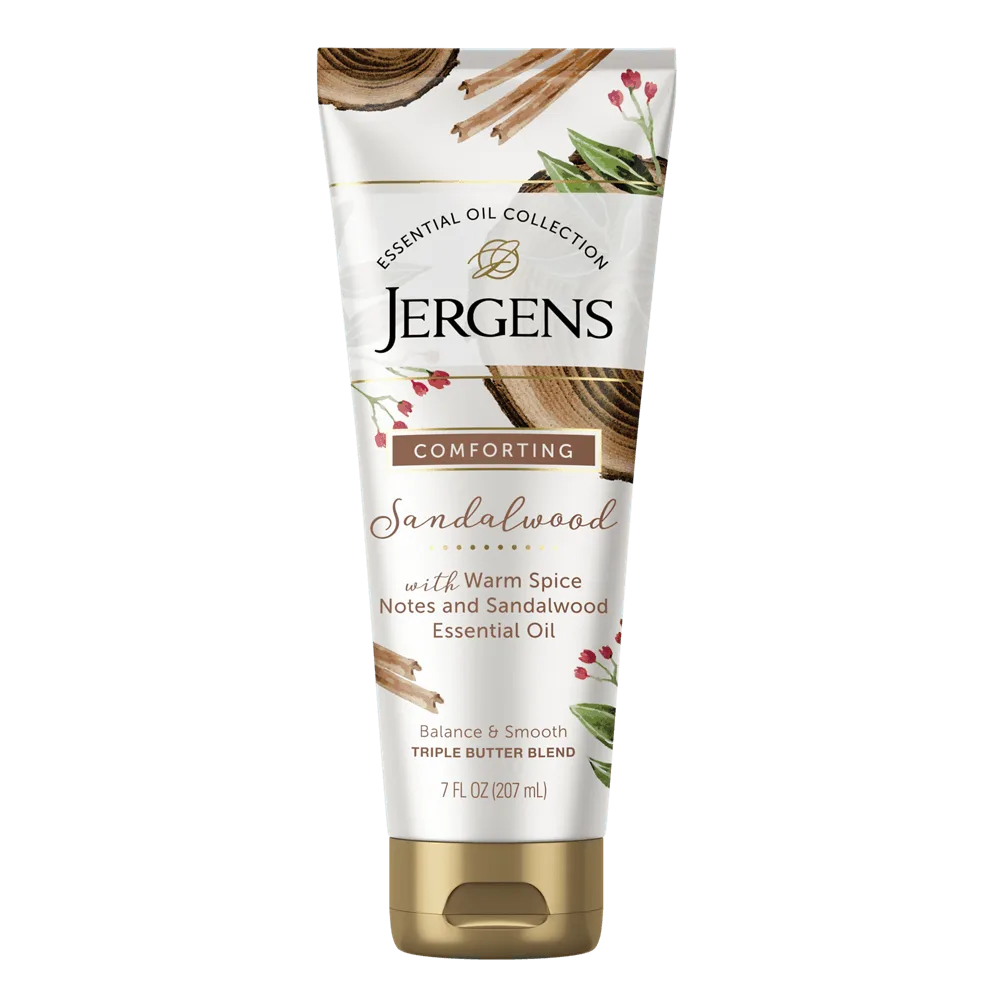
- Sandalwood Body Butter: A triple butter blend of shea, cocoa, and mango butters infused with sandalwood essential oil. The three-butter base is rich, so start with a pea-sized amount on damp skin and reserve it for drier areas like legs and elbows rather than oily zones.
- Deep Conditioning Shea-Cocoa Butter Blend: A shea and cocoa butter moisturizer with naturally derived African shea butter and rich cocoa butter. If you want deep conditioning without a heavy balm feel, this two-butter blend is a reasonable middle step before you drop down to a plain lotion.
- Sweet Citrus Body Butter: A triple butter body formula with shea, cocoa, and mango butters and essential oils. The citrus scent makes it pleasant for daytime use, but the butter base still needs the damp-skin and small-dose approach to avoid residue.