Quick answer
A bra band that rides up in the back almost always means the band is too loose to anchor the bra. Check the band tension on the loosest hook: you should be able to fit two fingers under the band, and it should sit level all the way around. If it climbs, go down a band size and up a cup size, or replace the bra if the elastic is stretched. A band that still rides up after resizing may mean the style or cup volume is wrong for your shape.
You fasten your bra in the morning, and by lunchtime the back band has crept up toward your shoulder blades. It's a common frustration, but it's also one of the easiest fit problems to solve once you know what to look for. The band does most of the supporting work, so when it rides up, the whole bra shifts and your straps start digging in.
This guide walks through the likely causes of a riding bra band, the corrective steps you can take at home, and the point where you should stop adjusting and switch to a different size or style. We'll also look at a few bras from FIT FULLY YOURS LINGERIE (CANADA) that are built with band support in mind.
Symptom: The band climbs up your back
The telltale sign is a band that sits higher in the back than in the front. A well-fitting band should be level all the way around your ribcage. If the back edge is creeping up toward your shoulder blades, the band isn't gripping your torso firmly enough to stay put. You might also notice the front of the bra pulling down or the straps digging into your shoulders as they try to compensate.
This isn't just a comfort issue. When the band rides up, the cups tilt forward and no longer sit flush against your breasts, which can cause gaping, spillage, or a shape that feels unsupported. The band is the foundation of the fit, so fixing it often resolves several other complaints at once.
- Check in a mirror: the back band should be level with the front band, not higher.
- If the band climbs only after a few hours, the elastic may be tired.
- Straps that dig in are often a symptom, not the root cause.
Likely cause: The band is too loose or stretched out
The most common reason a band rides up is simply that it's too big. Bra bands stretch over time, and if you're on the tightest hook from day one, the bra is already too loose. A new bra should fit snugly on the loosest hook, so you have room to tighten it as the elastic relaxes. If you're already on the tightest hook and the band still climbs, the bra has reached the end of its useful life.
Another possibility is that you're wearing the wrong band size altogether. Many people wear a band that's too large and a cup that's too small. When you go down a band size, you usually need to go up a cup size to keep the same cup volume. For example, if you're wearing a 36C and the band rides up, try a 34D. The sister size keeps the cup volume similar but gives you a firmer band.
- Test the band: it should be snug enough that you can fit two fingers under it, but not so tight that it's painful.
- If you're on the tightest hook and it still rides up, it's time to replace the bra.
- Try the sister size: one band size down, one cup size up.
Corrective action: Adjust, resize, or replace
Start by fastening the bra on the loosest hook and checking the band tension. If it's too loose, move to a tighter hook. If you're already on the tightest hook, the bra is worn out. Next, check the straps: they should be adjusted so they stay in place without digging in, but they shouldn't be doing the heavy lifting. If the band is still riding up after these adjustments, it's likely a size issue.
When you try a smaller band, pay attention to the cups. If the cups start to dig into your breast tissue or create bulges, go up a cup size. The band and cup work together, so changing one affects the other. If you're between sizes or have a shallow shape, you may need to try a few styles to find the band that grips without pinching.
- Always fasten a new bra on the loosest hook to allow for stretch.
- Adjust straps only after the band is correctly sized.
- If the band leaves red marks that fade quickly, that's normal; if they persist, it's too tight.
When to stop adjusting and choose another option
If you've tried a smaller band and the correct cup size, but the band still rides up, the problem may be the bra's construction or your body shape. Some bras have stretchy bands that don't provide enough anchor, especially if you have a tapered torso or a fuller bust. In that case, look for styles with a firmer band, double-layered bands, or a higher back design. Bras with a leotard back or a wider band can also help distribute weight and stay in place.
It's also possible that the bra is simply the wrong shape for you. If the band fits but the cups gap or the wires poke, the issue is the cup, not the band. At that point, stop tightening and try a different style or brand. A bra that fits correctly should feel secure without constant readjustment.
- If the band fits but the cups gap, the cup size or shape is wrong.
- Look for bras with double-layered bands or firm elastic for extra support.
- Don't settle for a band that rides up; a well-fitting bra should stay level all day.
Diagnose your riding band
- Band sits level but straps dig in: The band is likely the right size, but the straps are adjusted too short. Lengthen the straps so they stay in place without pulling the band up. If lengthening the straps causes them to slip off, the band may be too loose.
- Band rides up and you're on the tightest hook: The bra is stretched out. Replace it or go down a band size and up a cup size. A new bra should fit on the loosest hook, giving you room to tighten as it ages.
- Band rides up even on a smaller band size: The bra's band may be too stretchy or the style may not suit your shape. Look for bras with double-layered bands or an inside sling for firmer support. If the band still climbs, the cup size or shape may be the issue. Check for gaping or spillage.
Bras with band support in mind
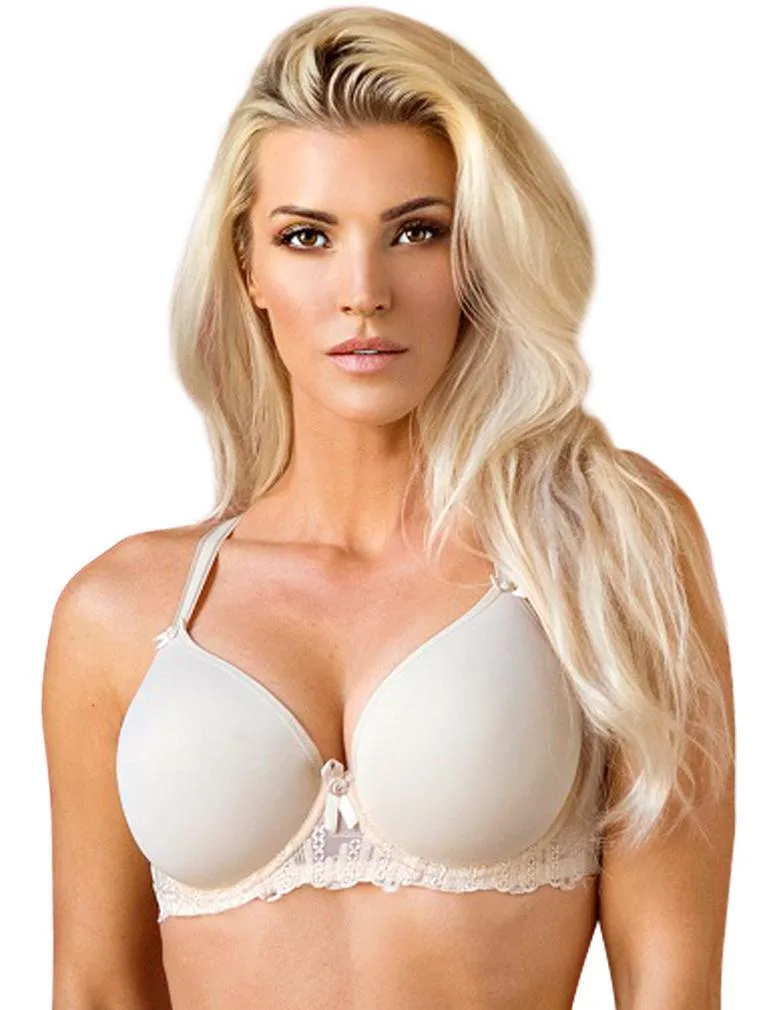
- B1824 Ella Moulded: SOFT BEIGE: This bra features a double-layered band for optimal support and a triple hook closure. A double-layered band gives you a firmer anchor, which helps prevent the band from riding up, especially if you're fuller-busted or active.
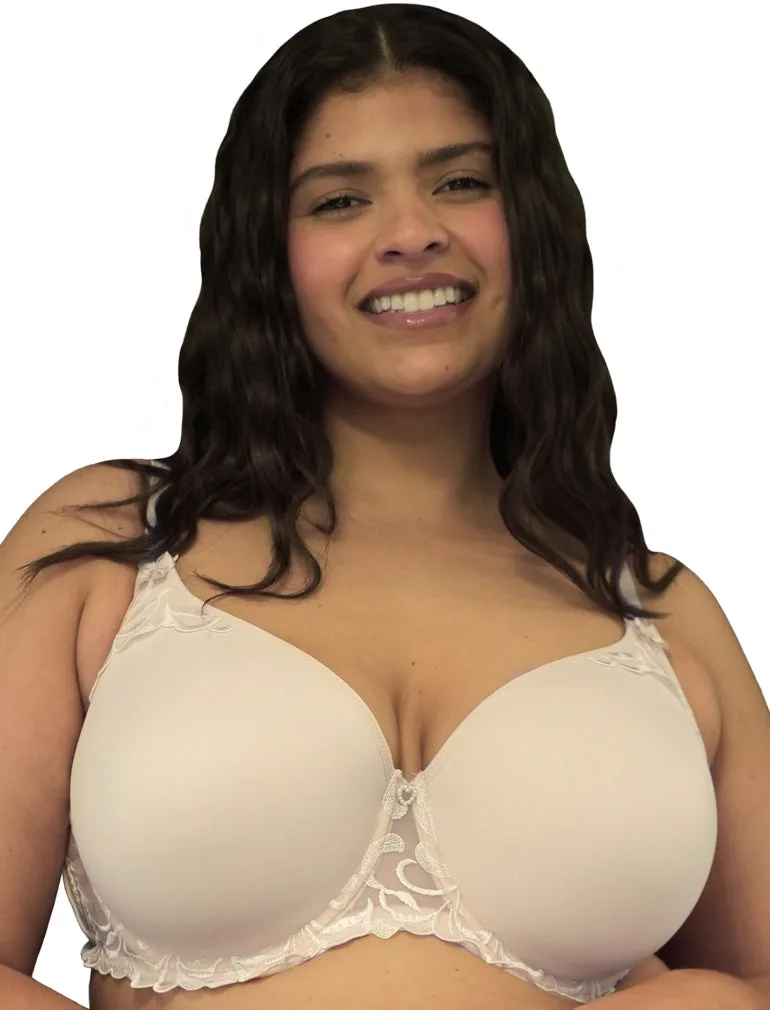
- B1812 Elise Moulded: SOFT BEIGE: Offers a double-layered band to ensure a secure and comfortable fit, with fully adjustable straps. The double-layered band provides extra stability, and the adjustable straps let you fine-tune the fit without relying on the straps for support.
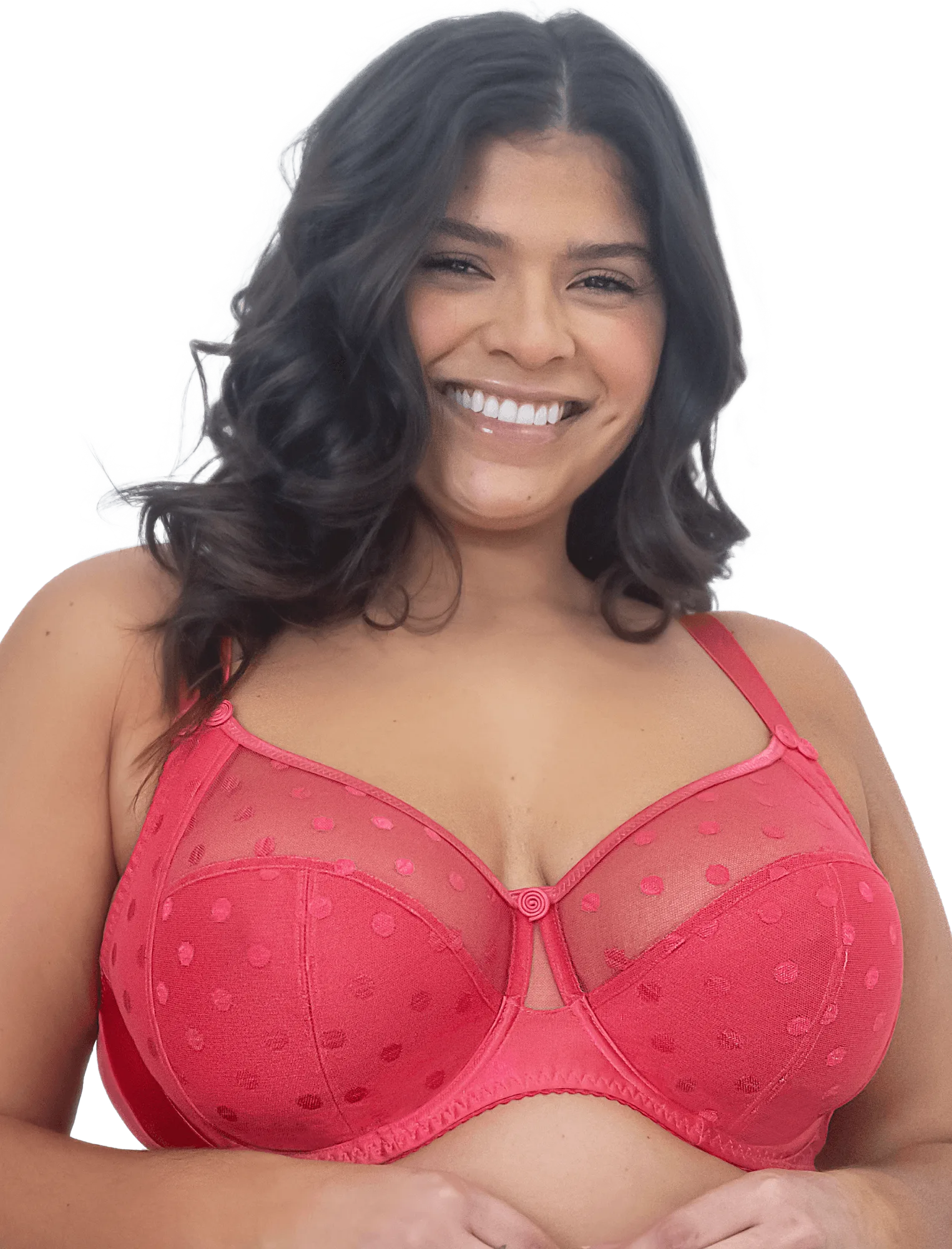
- B2498 Carmen: TEABERRY: Engineered for maximum support, it comes fully equipped with an inside sling in all sizes. An inside sling adds side support and helps keep the band in place, which can reduce riding up for those who need extra structure.
A bra band that rides up in the back is a solvable problem. Start by checking the band tension and hook position, then adjust your size if needed. If you're already on the tightest hook, it's time for a new bra or a different style with firmer band construction. With the right fit, you can stop tugging and get on with your day.