Quick answer
A bralette band rides up because it's too loose to stay anchored under your bust—usually from a band size that's too big or a style that lacks adjustability. Check the band first: it should sit level and snug without digging in. If it slides up when you lift your arms, size down or choose a bralette with a firmer band and adjustable straps.
Check the band before you blame the straps
Most riding-up problems start at the band, not the straps. A bralette band should fit like a gentle hug around your ribcage—snug enough that you can fit two fingers under it, but not so tight that it leaves marks. If the band feels loose or you can pull it away from your body more than an inch, it's too big. That looseness lets the band slide up over your bust instead of staying put. Before adjusting straps, fasten the band on the tightest hook that feels comfortable and see if the riding up stops.
Strap tension: the hidden culprit
If the band is the right size but the bralette still rides up, your straps may be too tight. Over-tightening straps pulls the band upward, especially in soft-cup styles without underwire. Loosen the straps so they lie flat without digging into your shoulders, then test by raising your arms. The band should stay in place. If it still creeps up, the band itself is likely too loose or the style lacks enough structure for your needs.
When the style itself is the problem
Some bralettes are designed for light support and relaxed wear, which means they may not stay put during active movement. Longline styles and those with a wider band tend to stay in place better than delicate lace bralettes with a thin elastic band. If you love a particular lace bralette but it keeps riding up, try sizing down—many bralettes run generous, and a smaller band can make the difference. Check the product details for band construction; a hook-and-eye closure with multiple settings gives you more adjustability than a pull-on style.
Quick fixes to try before you size down
Before returning or replacing a bralette, try these adjustments: fasten the band on the tightest hook, loosen the straps slightly, and ensure the band sits level all the way around—not higher in the back than the front. If the band still rides up after these tweaks, it's likely a sizing issue. For lace bralettes that feel too loose, a band extender can help you fine-tune the fit temporarily, but it won't fix a band that's fundamentally too large.
Know when to stop adjusting and choose another option
If you've tried tightening the band, loosening the straps, and the bralette still rides up, it's time to consider a different size or style. A band that consistently slides up is a fit problem that adjustments can't solve. Look for bralettes with a firmer band, adjustable closures, or a longline design that distributes weight more evenly. And remember: a bralette is not meant to provide the same support as an underwired bra—if you need more hold, a different style may serve you better.
Diagnose your riding-up bralette
- Band slides up when you raise your arms: The band is too loose. Fasten it on the tightest hook and check if you can pull it more than an inch from your body. If it still slides up, size down.
- Band feels snug but rides up in the back: Straps may be too tight, pulling the band upward. Loosen them so they lie flat without digging in. If the back still creeps up, the band size or style is wrong.
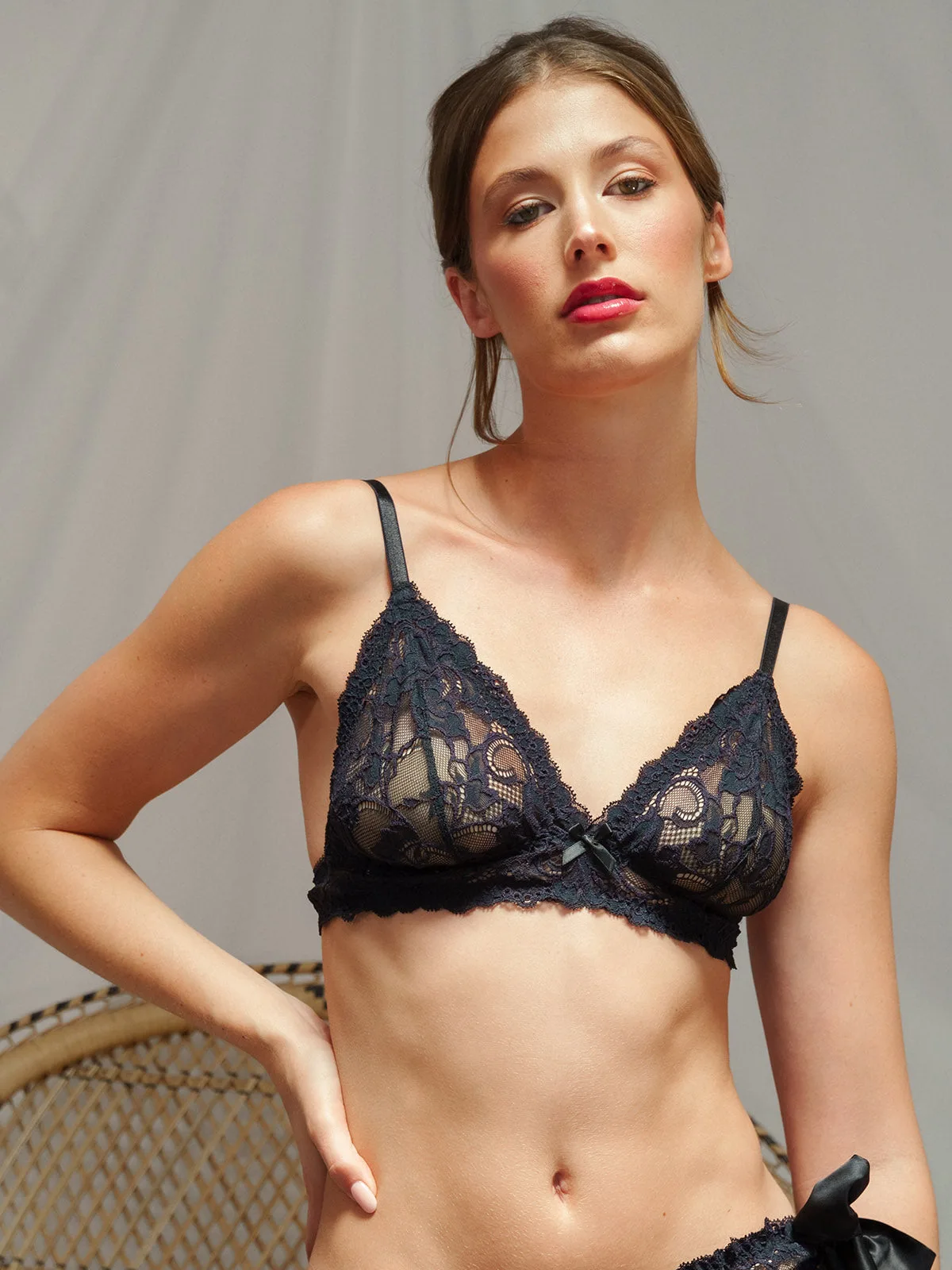
- Bralette is a delicate lace style with thin band: Light support styles may not stay put during movement. Try a longline or wider-band design for more stability. If you need everyday hold, switch to a style with a firmer band.
Bralettes with bands that stay put
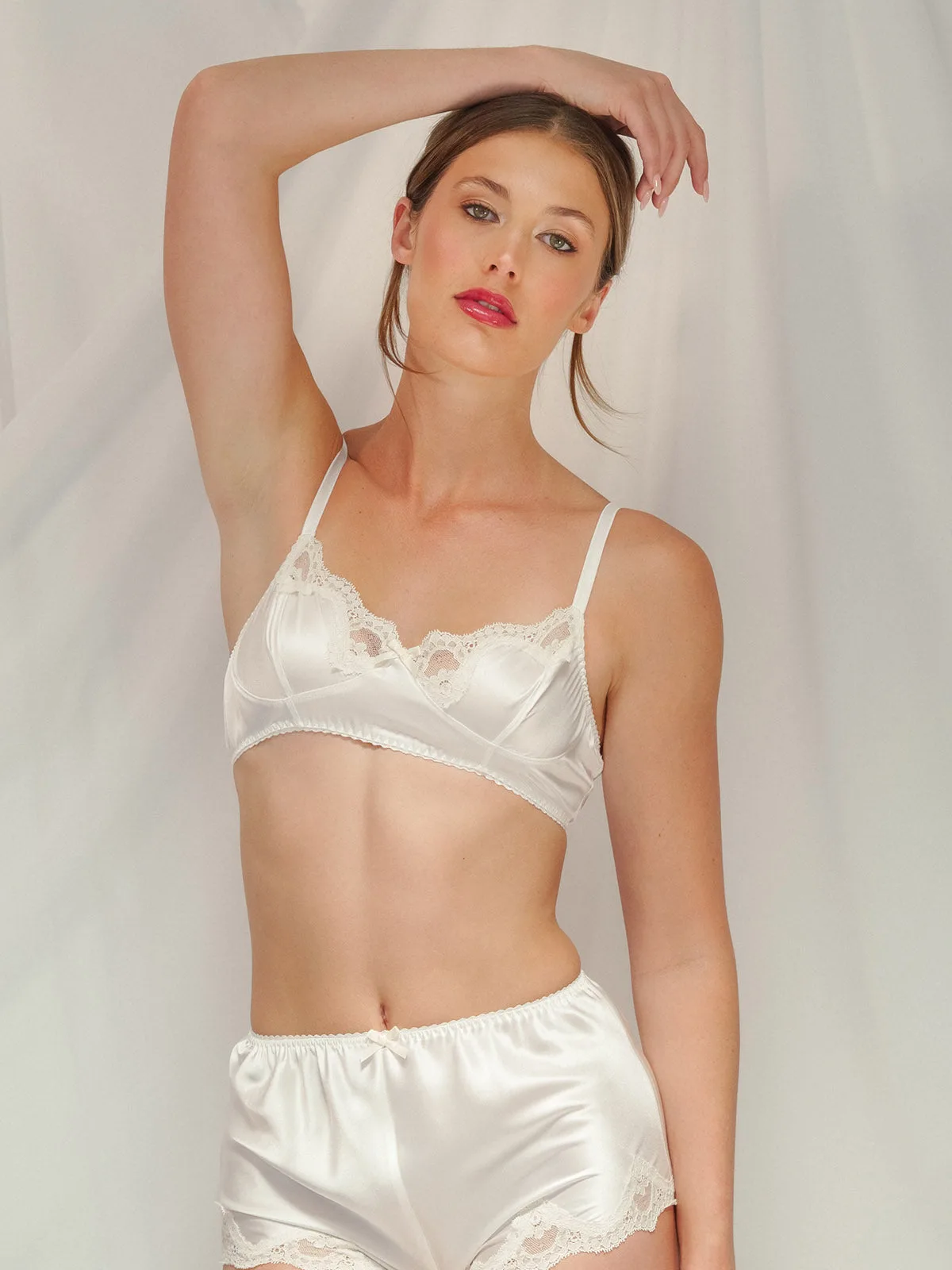
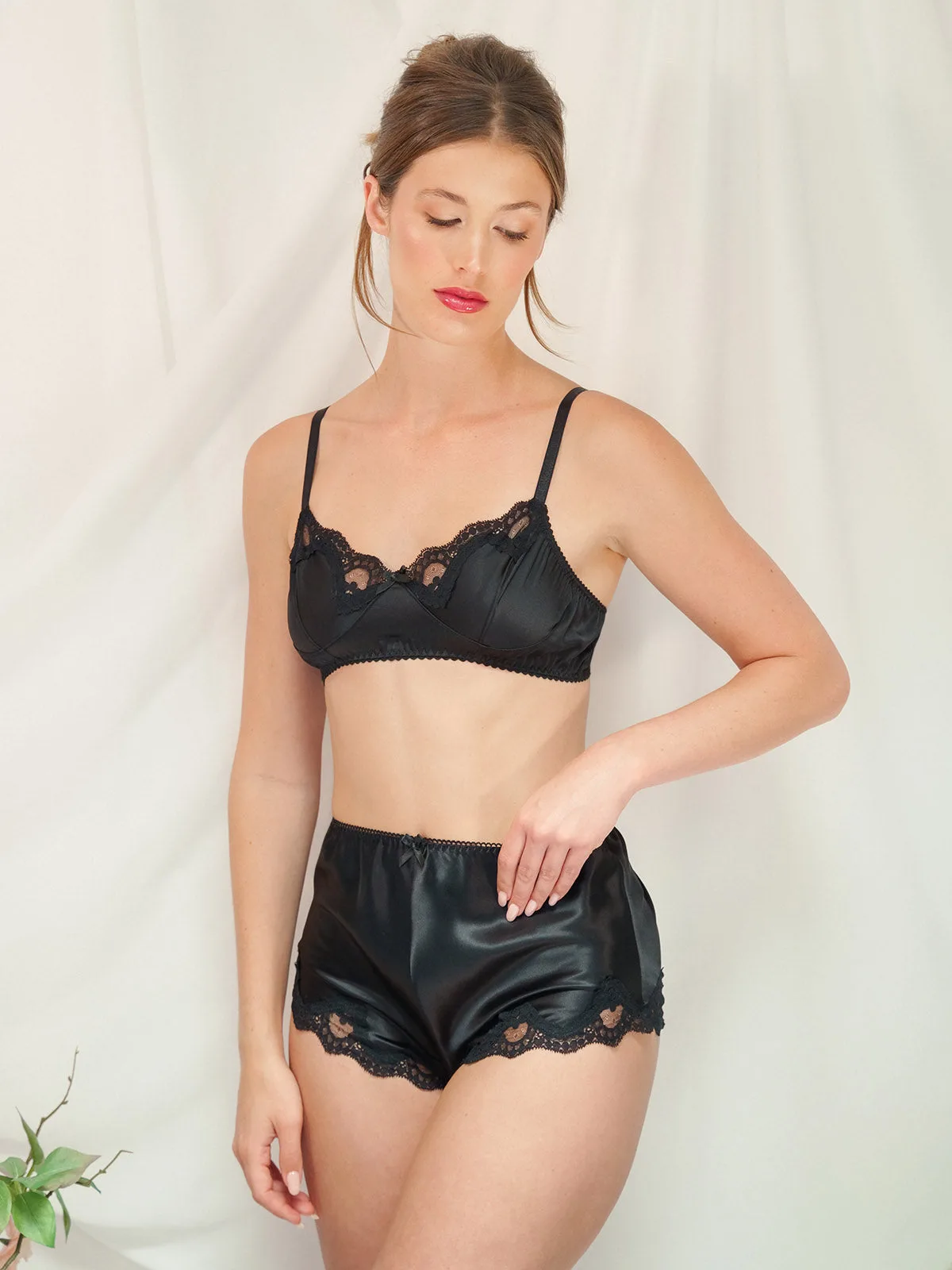
- Harper Ivory Silk & Lace Non Wired Bra: Non-wired, unpadded soft cup bra with hook and eye fastening and adjustable straps with gold-coloured rings and sliders. The hook-and-eye closure lets you tighten the band for a snugger fit, and adjustable straps help you fine-tune tension to prevent riding up.
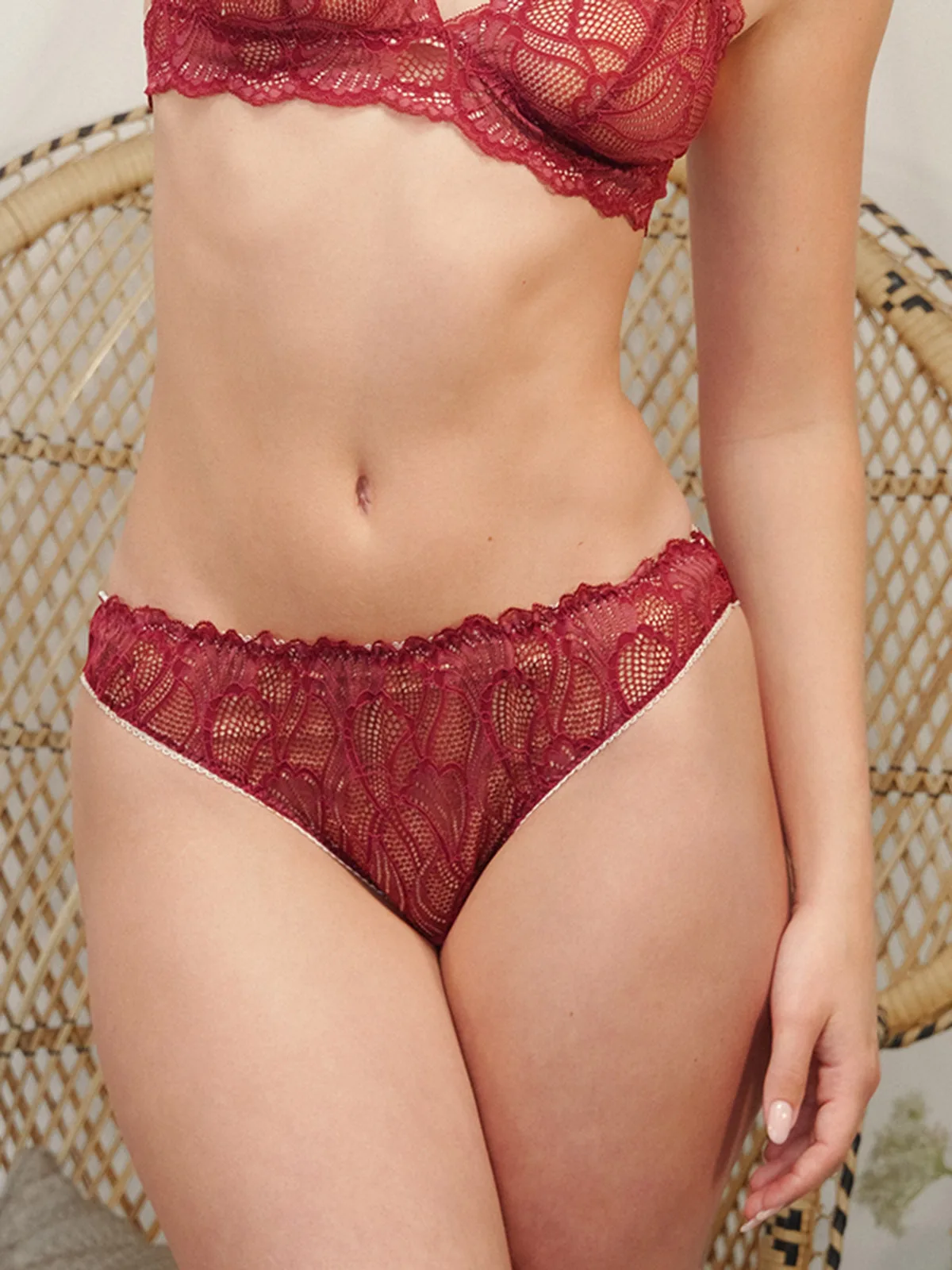
- Beneath The Bloom Burgundy Lace Bralette: Longline style bra with plunging neckline and hook-and-eye closures; adjustable rose coloured straps with gold-coloured rings and sliders. The longline band provides more surface area to grip your ribcage, which can reduce upward sliding, and the adjustable straps let you balance tension.