Quick Answer
A bralette band rides up because the band is too loose for your underbust measurement, not because the cups are wrong. Tighten the band first, then check whether the fabric has stretched out. If the band is already on its tightest setting and still climbs, the bralette is the wrong size and no adjustment will fix it.
You put on a bralette, it feels fine for ten minutes, and then the band creeps up your back until the whole thing sits somewhere near your shoulder blades. It is one of the most common bralette sizing problems, and it almost never means the bralette is defective.
The fix depends on why the band is moving. A band that is slightly loose needs a different adjustment than one that has stretched out after months of wear, and both are different from a band that was never the right size to begin with. Work through the causes below in order and you will usually find the answer in under a minute.
Symptom: The Band Climbs When You Raise Your Arms
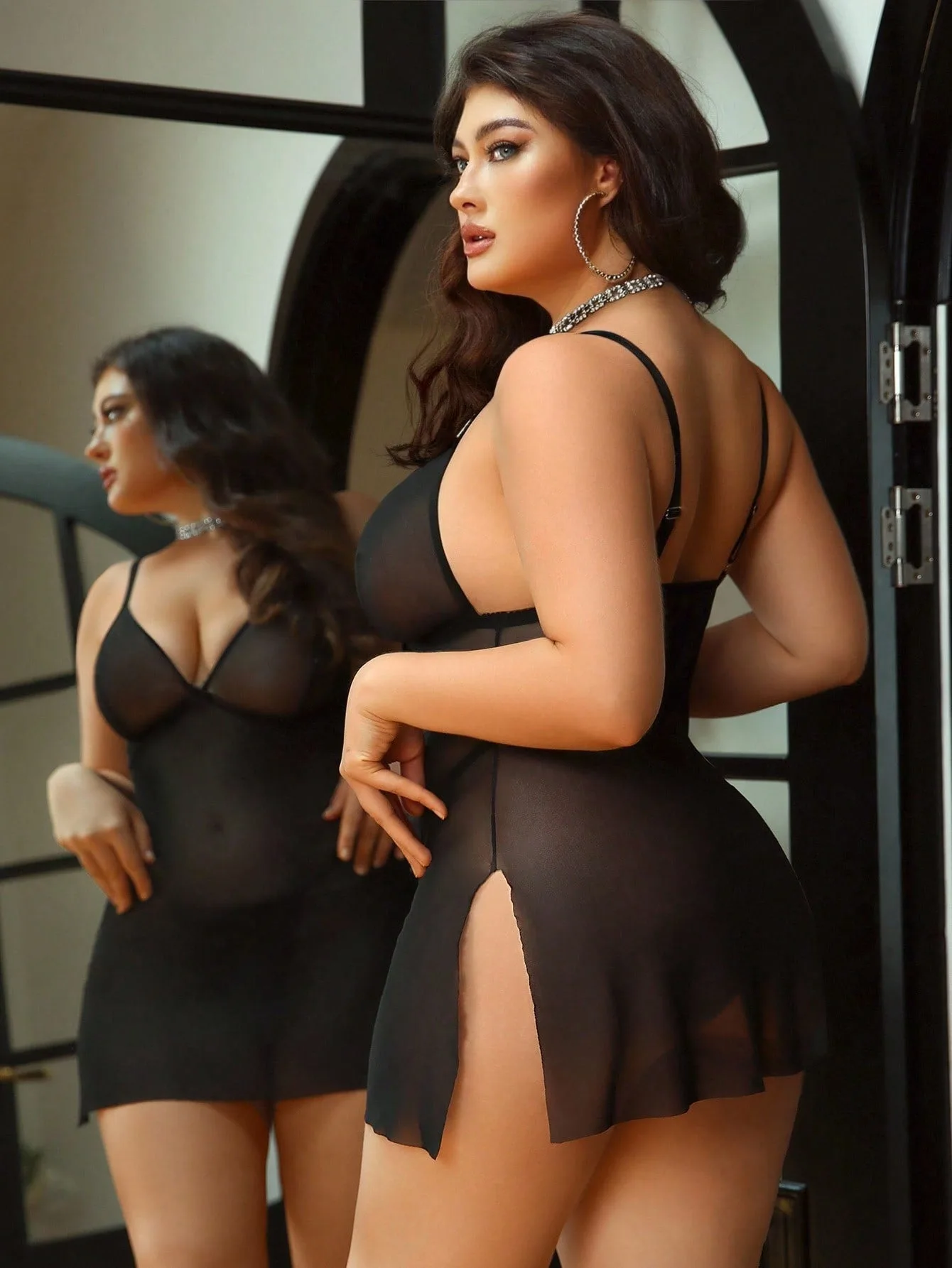
Your Arms
If the band slides up mainly when you reach overhead or move around, the band is not gripping your ribcage firmly enough. A bralette band should stay roughly level with your underbust when you lift your arms. When it rides up instead, the band is relying on your shoulders to stay in place rather than anchoring around your torso.
This is the classic sign of a bralette band that is too loose. It happens most often when you size up for cup room, or when you buy based on your usual clothing size instead of your underbust measurement. The band, not the cup, is what holds a bralette in place.
- Test it: raise both arms overhead in front of a mirror. If the band moves up more than about an inch, it is too loose.
- A band that only shifts slightly and settles back down is usually fine.
Cause: The Band Is Too Loose for Your Ribcage
Bralette bands are typically sized by a combination of underbust and cup range, which is why you see sizing like S: 32B, 34A, 34B rather than a simple dress size. If your underbust measurement sits at the top of a size range, that size will feel loose even though the cup coverage looks right.
The corrective action is to size down in the band if the next size down still covers your cup volume, or to choose a style with an adjustable back closure. A hook-and-eye closure gives you two or three levels of adjustment, which absorbs small changes in weight and fabric stretch over time.
- Measure your underbust snugly, not loosely, and compare it to the band range on the size chart.
- If you are between sizes, choose the smaller band when the cup range still includes you.
Cause: The Band Has Stretched Out Over Time
Elastane loses recovery with repeated wear, washing, and heat. A bralette that fit perfectly six months ago can gradually loosen until the band no longer grips. This is normal aging, not a manufacturing fault, and it is the most common reason a band starts riding up on a bralette you have owned for a while.
Before you replace it, try washing in cold water and air drying flat. Heat from dryers and hot water is the main accelerator of stretch loss. If the band still will not stay put after a cold wash and a day of air drying, the elastic has given out and replacement is the honest answer.
- Wash bralettes in cold water and air dry flat to slow elastic fatigue.
- Rotate between at least three bralettes so each one gets recovery time between wears.
Cause: The Band Is Adjusted Wrong, Not Sized Wrong
On a bralette with a hook-and-eye closure, start on the loosest hook when the piece is new. This sounds backwards, but it gives you room to tighten as the elastic relaxes over the life of the bralette. If you start on the tightest hook, you have no adjustment left when the band inevitably loosens.
For a pull-on bralette with no closure, check that the band is sitting flat against your ribcage and not folded or rolled. A rolled band has less contact surface, which reduces grip and encourages riding up. Smooth it flat with both hands after putting it on, then check in a mirror that the band is level all the way around.
- New hook-and-eye bralette: start on the loosest hook, move inward as it relaxes.
- Pull-on bralette: smooth the band flat and level before you judge the fit.
When to Stop Adjusting and Choose a Different Bralette
Stop adjusting when you have tightened the band to its smallest setting, the band is flat and level, and it still rides up within an hour of normal wear. At that point the bralette is the wrong size or the elastic is spent, and further fiddling will only make the band dig in without solving the problem.
This is also the moment to reconsider the style. If you have a short torso or a narrow ribcage, a longline or wide-band bralette gives the band more surface area to grip and resists riding up better than a thin-band style. A bandeau with silicone grip along the top edge is another option if straps are not part of your plan.
- If the tightest hook still rides up, size down or switch to a wide-band style.
- If the band digs in painfully at the tightest setting, you need a larger size, not a tighter one.
Diagnose Your Riding Band in Three Checks
- Check 1: The arm-raise test: Stand in front of a mirror and raise both arms overhead. Watch whether the band stays level with your underbust or climbs toward your shoulder blades. More than about an inch of movement means the band is too loose. Little or no movement means the band fit is fine and the problem is elsewhere.
- Check 2: The tightest-hook test: If your bralette has a hook-and-eye closure, fasten it on the tightest hook and wear it for an hour of normal activity. If it still rides up, the band size or the elastic is the issue, not the adjustment. Riding up on the tightest hook means size down or replace. No adjustment left to make.
- Check 3: The stretch-recovery test: Stretch the band gently between your hands and release. A healthy band snaps back to its original length. A tired band stays stretched or returns slowly. Slow or incomplete recovery means the elastane has aged out. Cold washing may buy a little time, but replacement is the real fix.
Bralettes Worth Checking Against Your Measurements
- Emma: 90% nylon 10% spandex mesh, available in Black, White and Nude, with sizing listed as S: 32B, 34A, 34B; M: 34B, 34C, 36A, 36B; L: 36B, 34C, 38A, 38B. The size chart pairs each size with specific band and cup combinations, so you can match your underbust measurement directly instead of guessing from a dress size. The nylon-spandex mesh blend has stretch and recovery, which helps the band hold its shape between wears.
- Floral Stitch: Available in Black, sizes S/M/L, with sizing listed as S: 32B-C, 34A, 34B; M: 34B-C, 36A, 36B; L: 36B-C, 38A, 38B. The cup range is slightly wider than a basic size chart at each band size, which is useful if you sized up for cup room before and ended up with a band that rides up. You can often stay in your correct band size and still get the cup coverage you need.
- Casino Nights: Size chart lists XS through L with separate bust, waist, and hip measurements, for example S: bust 33.9-35.4, waist 26-27.6, hip 35.8-37.4. A chart with separate bust and waist numbers lets you check band fit against your actual torso measurement rather than a single combined size. If your bust and waist fall into different sizes, prioritize the band measurement for a bralette that stays put.
A bralette band that rides up is almost always a band-size problem, not a cup problem. Tighten, check the fabric's recovery, and if it still climbs on the tightest setting, move to a smaller band or a wider-band style. Your underbust measurement is the number that matters most.