Quick answer
Brushing cleans tooth surfaces, but most odor-causing bacteria live on the tongue, in gum pockets, and in a dry mouth. If your breath still smells after brushing, add tongue cleaning, treat dry mouth with an alcohol-free rinse, and check your gums. If the odor persists or comes with bleeding, pain, or a bad taste, see a dentist — it may be a gum or sinus issue, not a hygiene one.
Symptom: The smell returns within minutes of brushing
This pattern points to bacteria that brushing never reached. Toothbrush bristles clean the flat surfaces of teeth, but they barely touch the deep crevices of the tongue or the space between teeth and gums. Those areas keep producing sulfur compounds while you sleep and between meals.
If the odor is strongest right after you wake up and fades after eating or drinking, it is likely a temporary dry-mouth effect rather than a chronic gum problem.
Cause 1: Tongue coating
The tongue's surface is covered in tiny papillae that trap dead cells, food debris, and bacteria. A 2023 review in the Journal of Oral Microbiology found that tongue coating is the single strongest predictor of bad breath, stronger than tooth decay or gum inflammation. Brushing your teeth does nothing to remove it.
A tongue scraper used once in the morning and once before bed removes the film more effectively than a toothbrush. Scrape from the back of the tongue forward, rinse the tool, and repeat three to five times. If you gag easily, start with a smaller scraper and work your way back gradually.
Cause 2: Dry mouth
Saliva is your mouth's natural rinse cycle. When it drops — from medications, mouth breathing, caffeine, alcohol, or aging — bacteria multiply faster and their waste products stick around longer. That is why breath smells worse in the morning and after long flights or dry winter days.
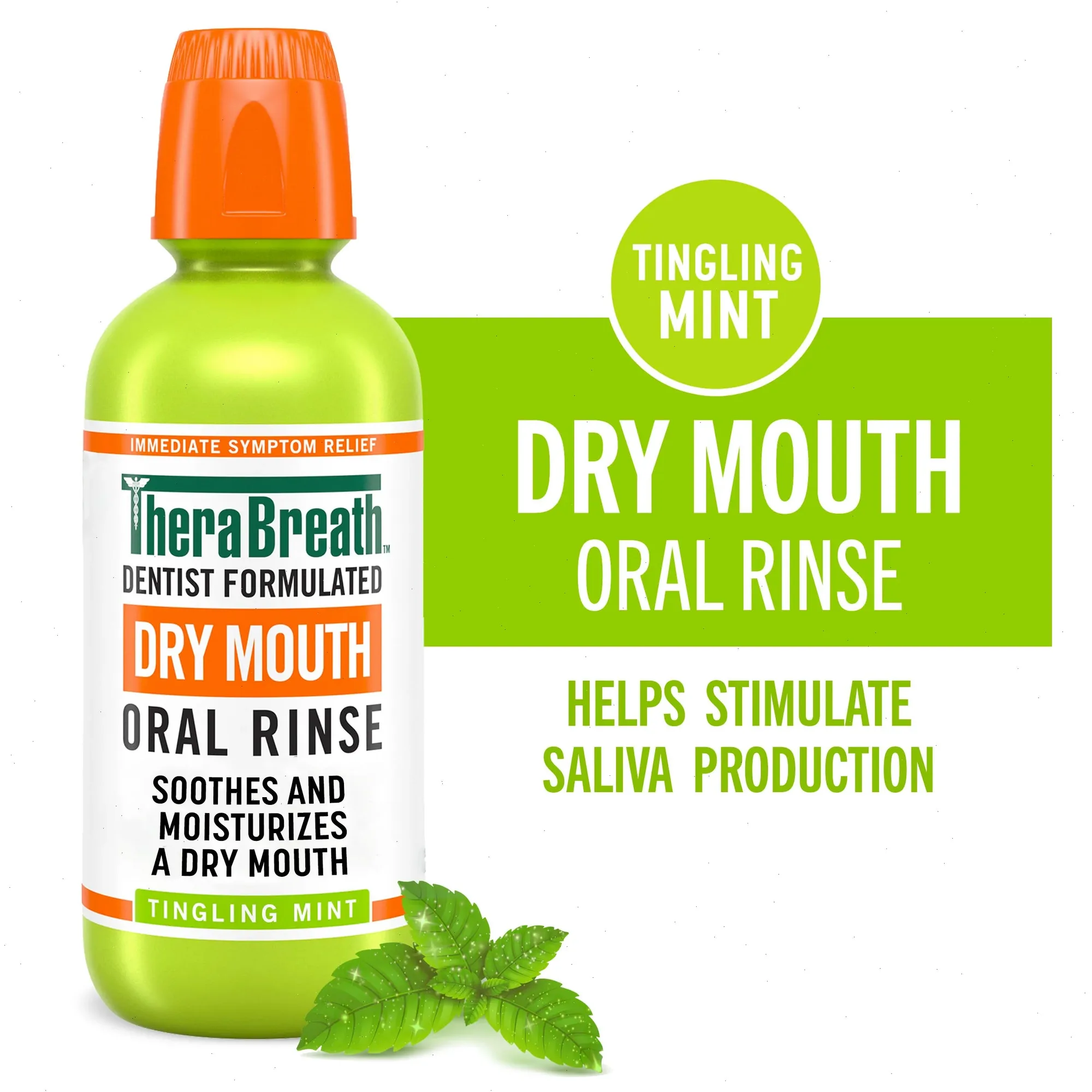
An alcohol-free mouthwash designed for dry mouth can help, but it is not a substitute for hydration. Sip water throughout the day, and if you take a medication that lists dry mouth as a side effect, ask your doctor whether a dose change or alternative is possible.
Cause 3: Gum pockets and hidden decay
When gums pull away from teeth, they form pockets that trap bacteria below the gumline. Brushing cannot reach them. The telltale signs are bleeding when you brush, tender gums, and a metallic or persistently bad taste.
This is the point where you should stop self-treating and book a dental visit. A dentist or hygienist can measure pocket depth, remove hardened plaque, and check for decay or an abscess. No mouthwash fixes an active infection.
Corrective actions that actually change your breath
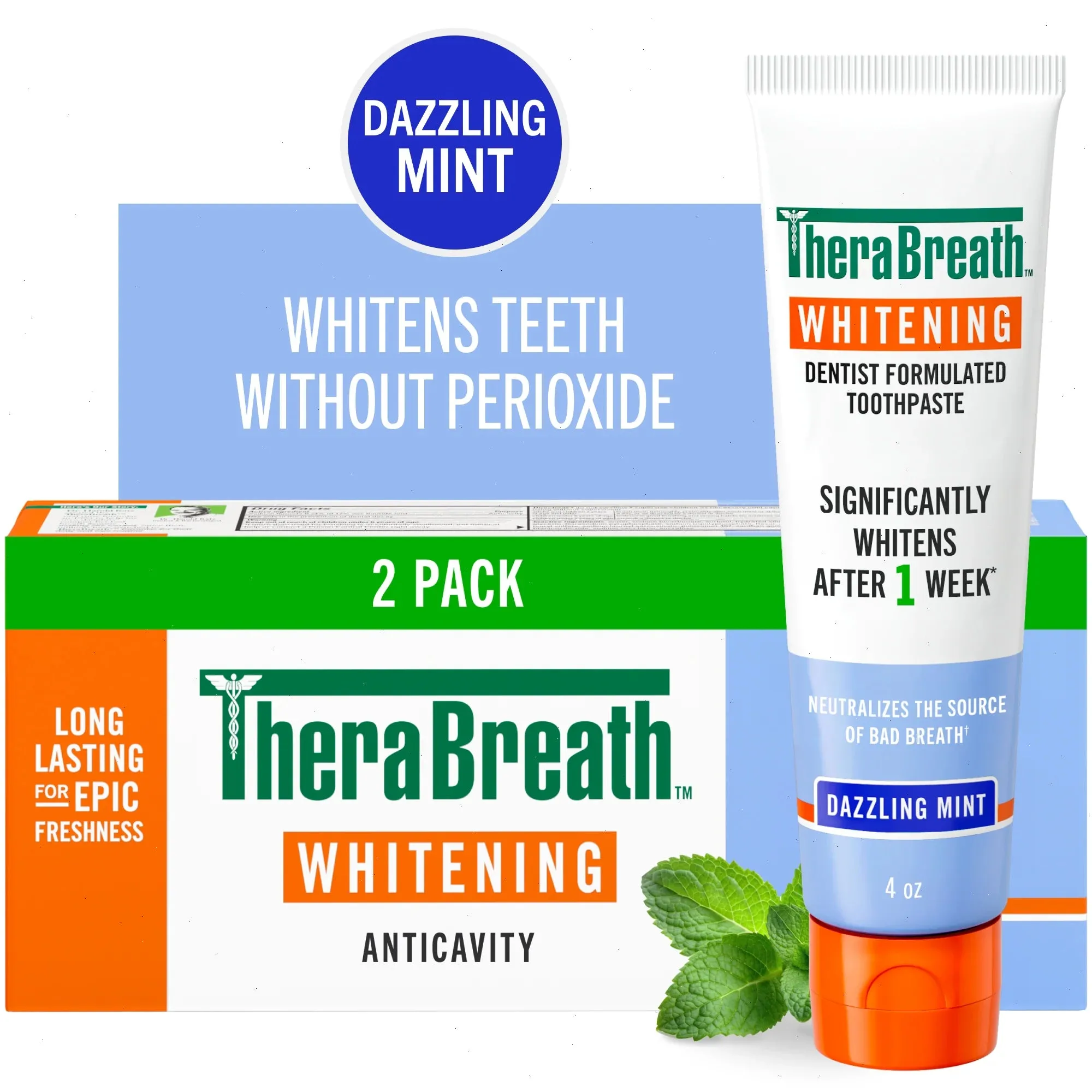
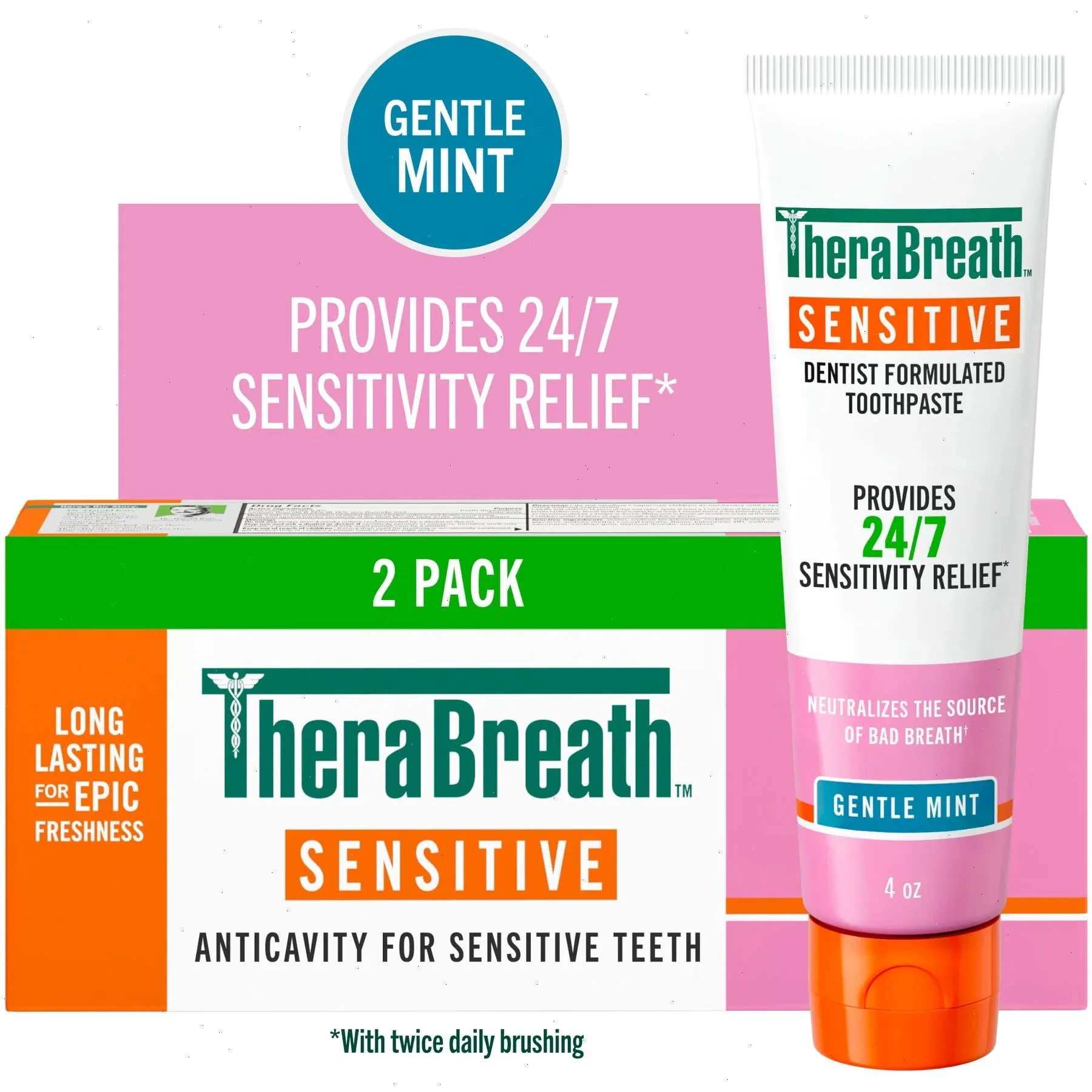
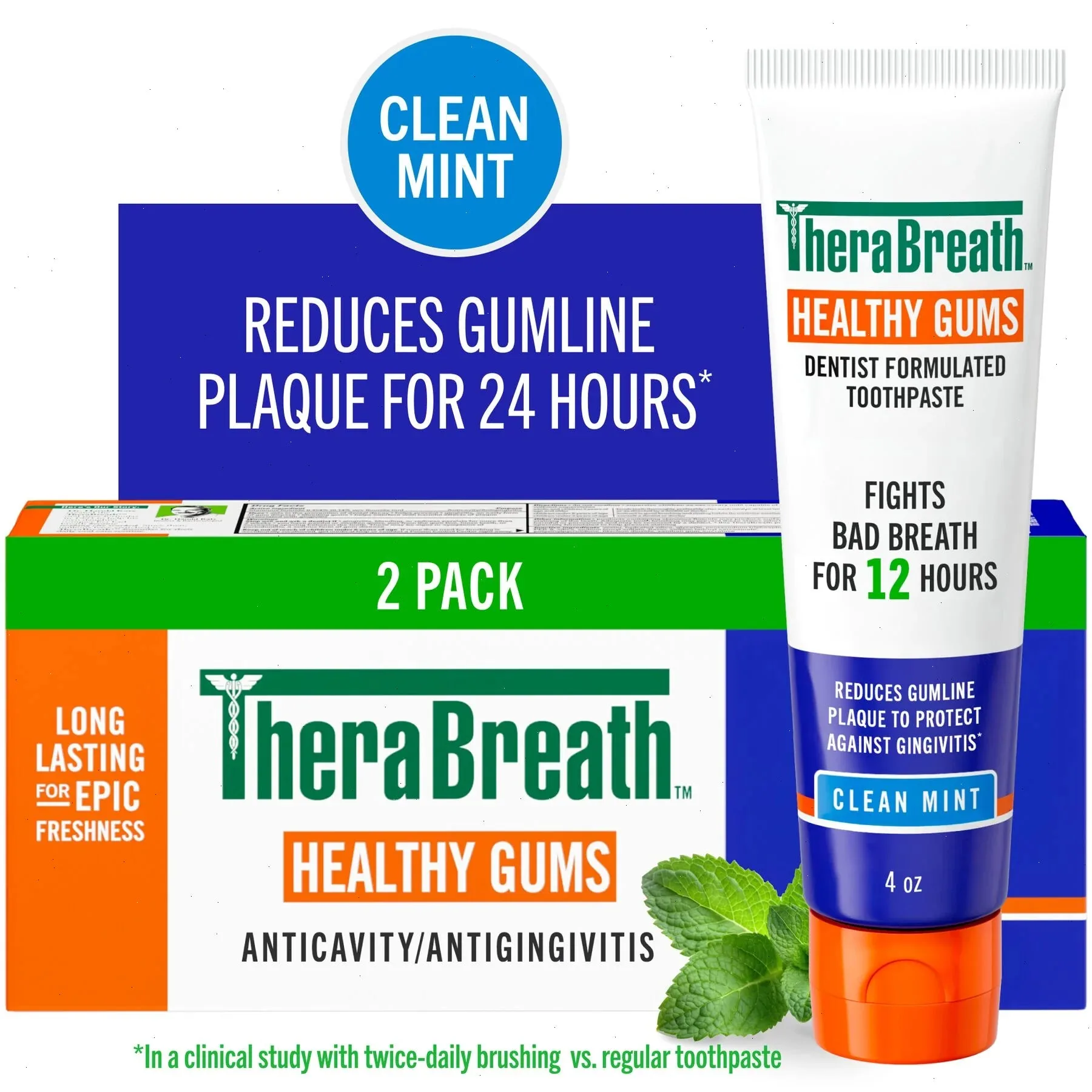
Build a routine that covers the three causes above, not just tooth surfaces. Brush for two minutes with a fluoride toothpaste, clean between teeth with floss or interdental brushes, scrape your tongue, and finish with an alcohol-free rinse that targets odor-causing bacteria. If you use a CPAP or snore, add a dry-mouth rinse before bed.
Timing matters too. Rinsing immediately after brushing can wash away the protective fluoride layer. Wait at least 30 minutes, or use your mouthwash at a different time of day.
- Morning: brush, floss, scrape tongue, then eat breakfast.
- Midday: water or a sugar-free rinse if your mouth feels dry.
- Evening: brush, floss, scrape tongue, then use an alcohol-free mouthwash.
- Weekly: check your gums for redness, swelling, or bleeding.
Diagnosis: Which cause fits your pattern?
- Odor returns within 10 minutes of brushing: Tongue coating is the most likely culprit. Add a tongue scraper morning and night and reassess in three days. If scraping produces a visible white or yellow film, that film was feeding the smell.
- Mouth feels dry, sticky, or pasty most of the day: Dry mouth is reducing your saliva flow. Increase water intake, switch to an alcohol-free rinse, and review medications with your doctor. If dryness started after a new prescription, that is a conversation for your prescriber, not a mouthwash.
- Gums bleed when you brush or floss: Bleeding is not normal. It suggests gingivitis or periodontitis, and pocket bacteria are likely fueling the odor. Stop self-treating and book a dental exam. Mouthwash masks this problem; it does not solve it.
- Bad taste, fever, or facial pain on one side: This pattern can indicate a sinus infection, abscess, or other medical issue rather than a hygiene problem. See a dentist or physician promptly. Do not wait for a rinse to fix it.
Products that support a breath-focused routine
- Dry Mouth Oral Rinse - Tingling Mint: TheraBreath Dry Mouth Oral Rinse - Tingling Mint is an alcohol-free formula with naturally-sourced enzymes and floral jambu extract that help soothe and moisturize a dry mouth. If your breath worsens when your mouth is dry, an alcohol-free rinse adds moisture without the sting or drying effect of alcohol-based mouthwashes.
- TheraBreath AM + PM Mouthwash Bundle, Morning & Overnight Rinses, 16 fl oz, 2-Pack: TheraBreath AM + PM Mouthwash Bundle includes a Morning Oral Rinse that fights bad breath for 12 hours when used as directed, and an Overnight Oral Rinse for before bed. Pairing a morning rinse with an overnight one covers the two times of day when odor-causing bacteria are most active.