Quick Answer
A fast-draining camera battery is usually caused by cold temperatures, background features like Wi-Fi or image stabilization, or an aging battery that has lost capacity. Start by disabling unused features and warming the battery if you're shooting in cold weather. If the problem persists, consider replacing the battery with a fresh OEM or compatible spare.
Common Causes of Fast Battery Drain
Cold weather is one of the biggest culprits. Lithium-ion batteries lose capacity temporarily when temperatures drop below freezing. If you're shooting outdoors in winter, your battery may appear to drain much faster than usual. The fix is simple: keep a spare battery in an inner pocket to stay warm, and swap them out as needed.
Another frequent cause is leaving power-hungry features enabled. Wi-Fi, Bluetooth, image stabilization, and continuous autofocus all draw significant current. If you don't need them for the shot, turn them off in the camera menu. Similarly, using the LCD screen instead of the viewfinder can cut battery life by half on many mirrorless and compact cameras.
Battery age matters too. A lithium-ion battery naturally loses capacity after 300–500 charge cycles. If your battery is more than two years old or has been heavily used, its runtime will be noticeably shorter. The only real fix here is a replacement.
How to Extend Camera Battery Life
Start by adjusting your camera settings. Lower the screen brightness, reduce the auto-off timer to 30 seconds, and disable any features you aren't using. If your camera has an Eco mode, enable it—this typically dims the screen and speeds up standby without affecting image quality.
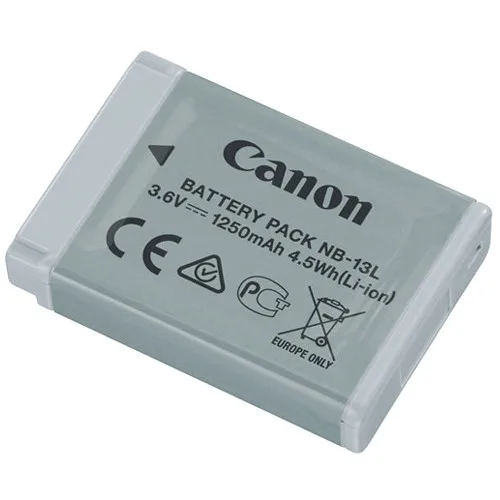
Carry a spare battery. Even a healthy battery won't last a full day of heavy shooting. A compact spare like the Canon NB-13L Battery (1250mAh) fits easily in a pocket and gives you a second charge without needing an outlet. For outdoor shoots, keep the spare warm to maintain its full capacity.
When to Replace Your Battery
If your battery drains within half the time it used to, or if it swells or gets hot during charging, replace it immediately. Swelling is a safety hazard. Always use a battery designed for your camera model to avoid compatibility issues and potential damage. OEM batteries like the Canon NB-13L are a reliable choice, but third-party options can work if they meet the same voltage and capacity specs.
Diagnosis: Battery Drain Diagnosis
- Battery discharges in under 30 minutes: You charge fully, but the camera shows a full charge, but the battery drains quickly even in moderate conditions. Check temperature and enabled features first.
- Likely Cause: Cold weather, aging cells, or power-hungry features like Wi-Fi or image stabilization. Disable Wi-Fi, reduce screen brightness, and warm the battery if cold.
- Corrective Action: Change settings, warm the battery, and test. If still draining fast after these steps, the battery likely needs replacement. If the battery still drains quickly, replace it with a fresh OEM or compatible model.
Gear That Helps
- Canon NB-13L Battery: The Canon NB-13L Lithium-Ion Battery Pack features 3.6V, a 1250mAh capacity, and a 4.5Wh rating. It is supplied with the camera and offered here as a spare or replacement part. Having a factory-matched spare ensures reliable power delivery and safe operation. A second battery is the most practical way to keep shooting when your primary battery runs low.
If you've tried these steps and your battery still drains fast, it's time for a replacement. A fresh battery is the most straightforward fix.