Quick answer
Most ball head slipping comes from one of three places: a quick release plate that is not fully seated or tightened, a friction or locking mechanism that is not being used correctly, or a head rated below the actual weight of your camera and lens. Start by checking the plate and the lock, then confirm the load rating. If the head is rated lower than your gear, no adjustment will make it safe — you need a head with a higher capacity.
Check the quick release plate first
A loose quick release plate is the most common cause of a camera that creeps or tilts after you let go. Remove the plate, inspect the mounting screw and the camera base, then reattach it so the plate sits flat and does not rock. Tighten the screw firmly by hand or with the supplied tool, but do not overtighten into a plastic body. If the plate still shifts, the plate or the clamp may be worn or mismatched, and replacing the plate is usually cheaper than replacing the head.
Use the lock and friction controls correctly
Many ball heads have two controls: a friction or tension knob and a main locking knob. If you only tighten the main lock, the ball can still slip under a heavy lens because the friction setting is too loose. Set friction so the camera stays put when you let go but still moves smoothly when you push the camera, then use the main lock for hands-off shots. On a grip-style action ball head, the trigger or grip controls the lock, so check that the grip is fully closed and that the internal mechanism is not sticking.
Match the head rating to your real load
A head rated for 3 kg or 6.6 lbs will hold a light mirrorless or DSLR setup, but it will slip with a long telephoto or a heavy medium format body. A head rated for 6 kg or 13 lbs gives more margin for heavier cameras and lenses. If your gear is close to or above the rating, the head is the limiting factor and no amount of tightening will fix it. In that case, move to a higher-capacity head or use a different support.
Inspect for wear, dirt, and thread damage
Grit on the ball or in the clamp can prevent full locking, so wipe the ball and the clamp surfaces with a dry cloth. Check the 3/8" tripod thread and the 1/4" plate thread for cross-threading or stripped threads; a damaged thread will never hold tight. If the ball itself is scored or the clamp jaws are worn, the head needs replacement rather than adjustment. Also confirm that the head is fully seated on the tripod column and that the thread is the correct size.
Symptom, cause, and what to do
- Camera creeps or tilts slowly after you let go: The quick release plate is loose, not seated flat, or the clamp is not fully closed. Remove and reseat the plate, tighten the mounting screw, and close the clamp fully. If it still creeps with a correctly seated plate, the clamp or plate is worn — replace the plate or head.
- Head holds at first, then slips under a heavy lens: The head is at or above its load rating. Check the rating against your actual camera and lens weight. A 3 kg or 6.6 lbs head is for light setups; a 6 kg or 13 lbs head gives more margin. If your gear exceeds the rating, stop adjusting and choose a higher-capacity head.
- Ball moves even when the lock is tight: The friction setting may be too loose, or the ball and clamp may be dirty or worn. Clean the ball and clamp, set friction correctly, then lock. If the ball is scored or the lock still does not hold, the head needs replacement. Cleaning and correct friction use fix most cases; mechanical wear means replace the head.
Products that address common slipping causes
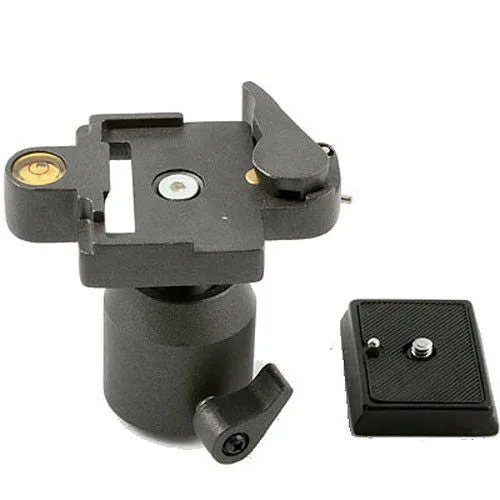
- Pro Camera Tripod Action Ball Head Quick Release 002H: Supports up to 3kg or 6.6 lbs and fits any standard tripod with 3/8" thread; the plate is 1/4" thread for standard size camera. A good match for light mirrorless and DSLR kits; if your camera and lens exceed 6.6 lbs, this head is not the right capacity.
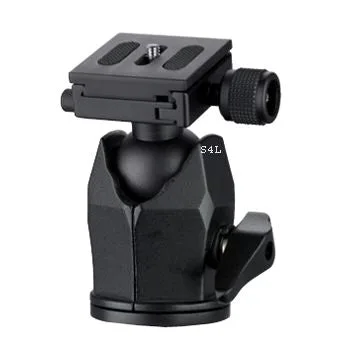
- Professional Camera Tripod Grip Action Ball Head by ePhotoInc 93AH: Supports up to 6 kg or 13 lbs, fits 3/8" thread tripod, and has a locking system that holds the camera steady with quick release plates. The higher rating gives more margin for heavier cameras and lenses, and the quick release plate makes it easier to reseat the camera correctly.