Quick answer
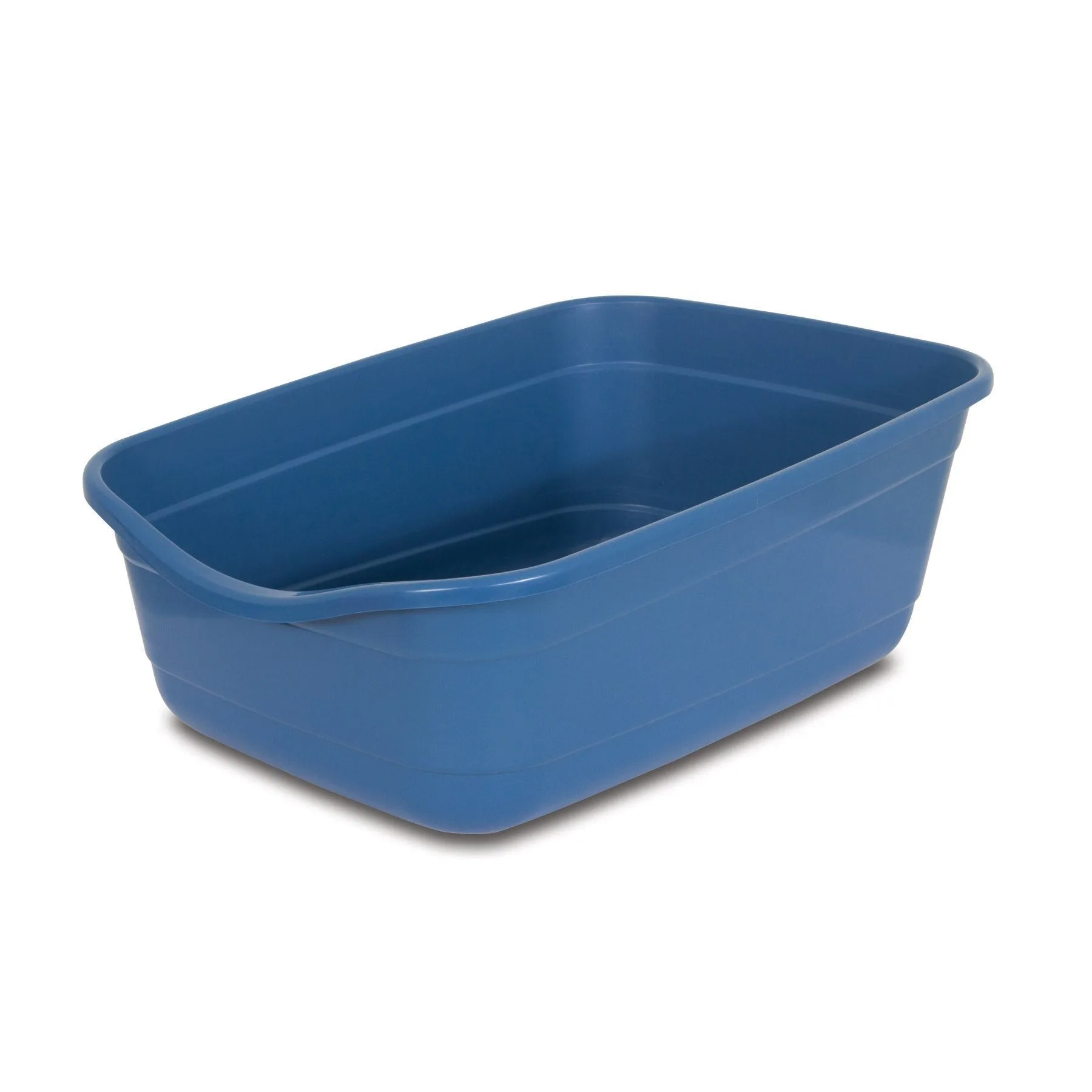
Most litter box avoidance is a setup problem, not a stubborn cat. Start by offering a box that is large enough, easy to enter, and placed where your cat can see the room. If your cat is a large breed or you have multiple cats, an oversized open box like the Petmate Giant Litter Box removes the two most common complaints: cramped space and hard entry. Pair it with a low-tracking mat and a daily scooping routine, and most cats return to the box within a few days.
Start With Size and Access Before You Change Anything Else
A cat needs room to turn around, squat, and cover waste without touching the sides. If the box is too small, your cat may perch on the rim, miss the box entirely, or leave without covering. The Petmate Giant Litter Box is built for large cats or multi-cat homes, with an open design and a sloped entry that helps older cats and kittens step in without jumping. That sloped entry matters more than most owners expect: a cat with stiff joints will avoid a high-sided box even if the litter is clean.
Placement is the second half of access. Put the box in a quiet spot with more than one exit route, not tucked behind a door that closes or next to a noisy appliance. If you have more than one cat, add one extra box beyond the number of cats and keep them in separate areas so no cat has to guard a single resource.
Read the Evidence Your Cat Leaves Behind
The location of the accident tells you what to fix. Waste just outside the box usually means the box is too small, the entry is awkward, or the litter is uncomfortable. Waste in a corner far from the box often points to a dirty box, a strong litter scent, or a location your cat does not feel safe using. Scratching the floor beside the box without entering suggests your cat wants to dig but the litter depth or texture is wrong.
Change one variable at a time and give it three to five days. Switching litter, moving the box, and changing the box style all at once makes it impossible to know what worked. If your cat is urinating outside the box repeatedly, or if you see straining, blood, or crying while urinating, stop troubleshooting and call your veterinarian. Those signs point to a medical problem, not a setup problem.
Reduce the Mess That Makes Cats Hesitant
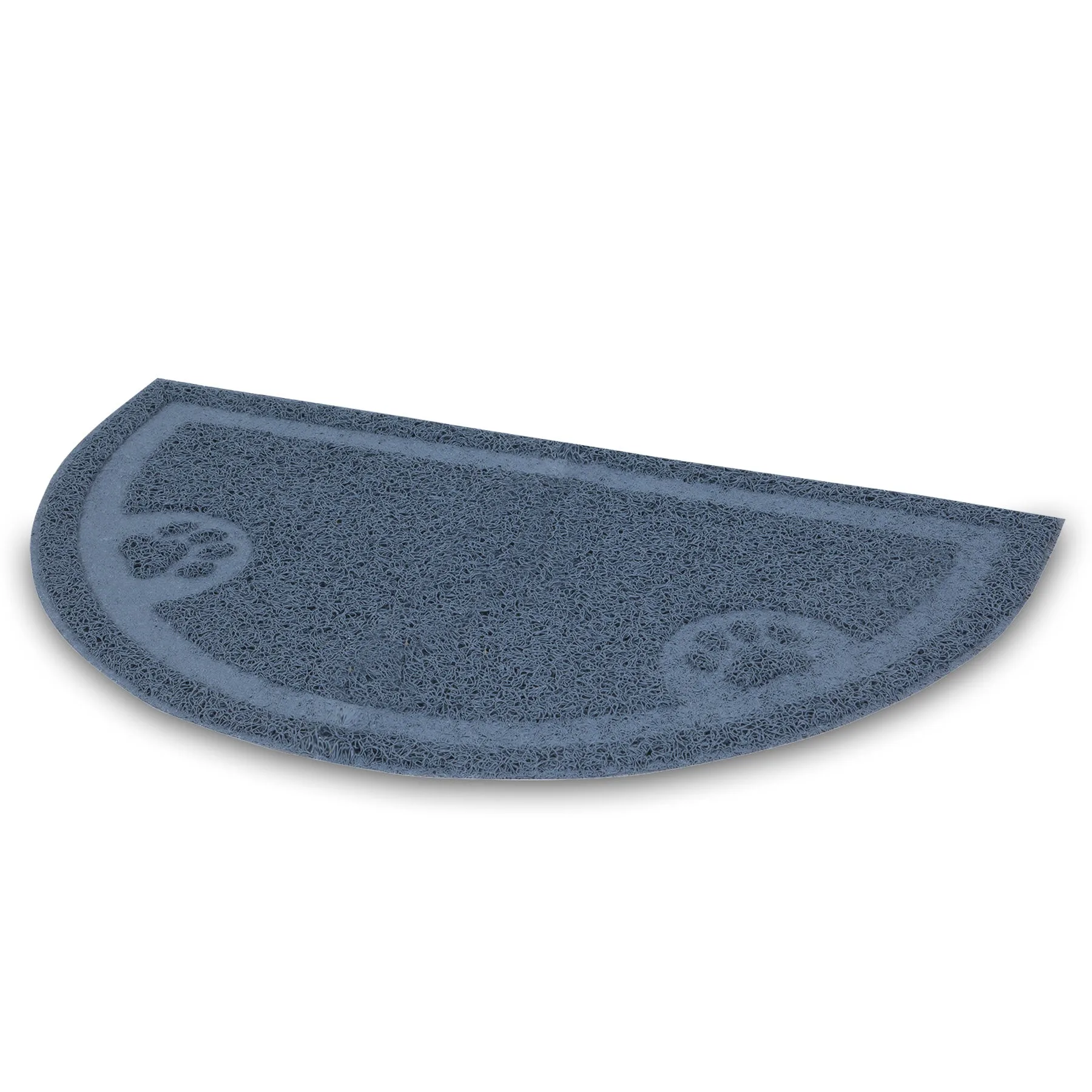
Litter scatter on the floor is more than a cleaning annoyance. Cats can feel unstable stepping onto a shifting surface, and some will avoid the box if the area around it is covered in loose litter. A webbed mat placed at the exit catches granules as your cat leaves and gives them a stable surface to step onto. The Petmate Litter Catcher Mat 1/2 Circle is made from a soft rubberized material that is easy on paws and traps scatter in its webbed design, so the floor stays cleaner and the path to the box stays clear.
Scoop daily and do a full litter change on a schedule that matches your litter type. A clean box is the single cheapest fix for avoidance, and it works even when everything else is already correct.
Symptom-to-Solution Diagnosis
- Waste just outside the box or on the rim: Your cat is entering but not committing. Check box length against your cat's body length, then check entry height. A sloped entry and an open top solve most of these cases. If the box is smaller than your cat from nose to tail base, size up before trying anything else.
- Avoidance that started after a change: New litter, a new box location, or a new box style can trigger refusal. Revert to the last setup your cat used reliably, then reintroduce one change at a time over several days. If your cat returns to the old setup, keep it and make changes more gradually.
- Consistent use of one box but not another: This usually means the avoided box is dirty, in a high-traffic spot, or too close to a resource like food or a noisy appliance. Move it and clean it before replacing it. If the avoided box stays unused after a move and a deep clean, remove it rather than forcing the issue.
- Straining, crying, or frequent trips with little output: These are medical signs, not setup problems. Stop adjusting the box and contact your veterinarian. Urinary blockages in male cats are emergencies. Do not wait to see if a setup change helps when pain or straining is present.
Products That Solve Common Setup Problems
- Petmate Giant Litter Box: The Petmate Giant Litter Box is an oversized, open-style box for large cats or multiple cats, with a sloped entry for older cats and kittens and high sides to contain litter. If your cat is avoiding a hooded or cramped box, this removes the confinement and the hard step-in that cause most refusals.
- Petmate Litter Catcher Mat 1/2 Circle: The Petmate Litter Catcher Mat 1/2 Circle uses a soft rubberized material and a webbed design to trap litter scatter as your cat exits the pan. A stable, paw-friendly landing spot reduces hesitation at the exit and keeps the floor around the box from becoming a no-go zone.
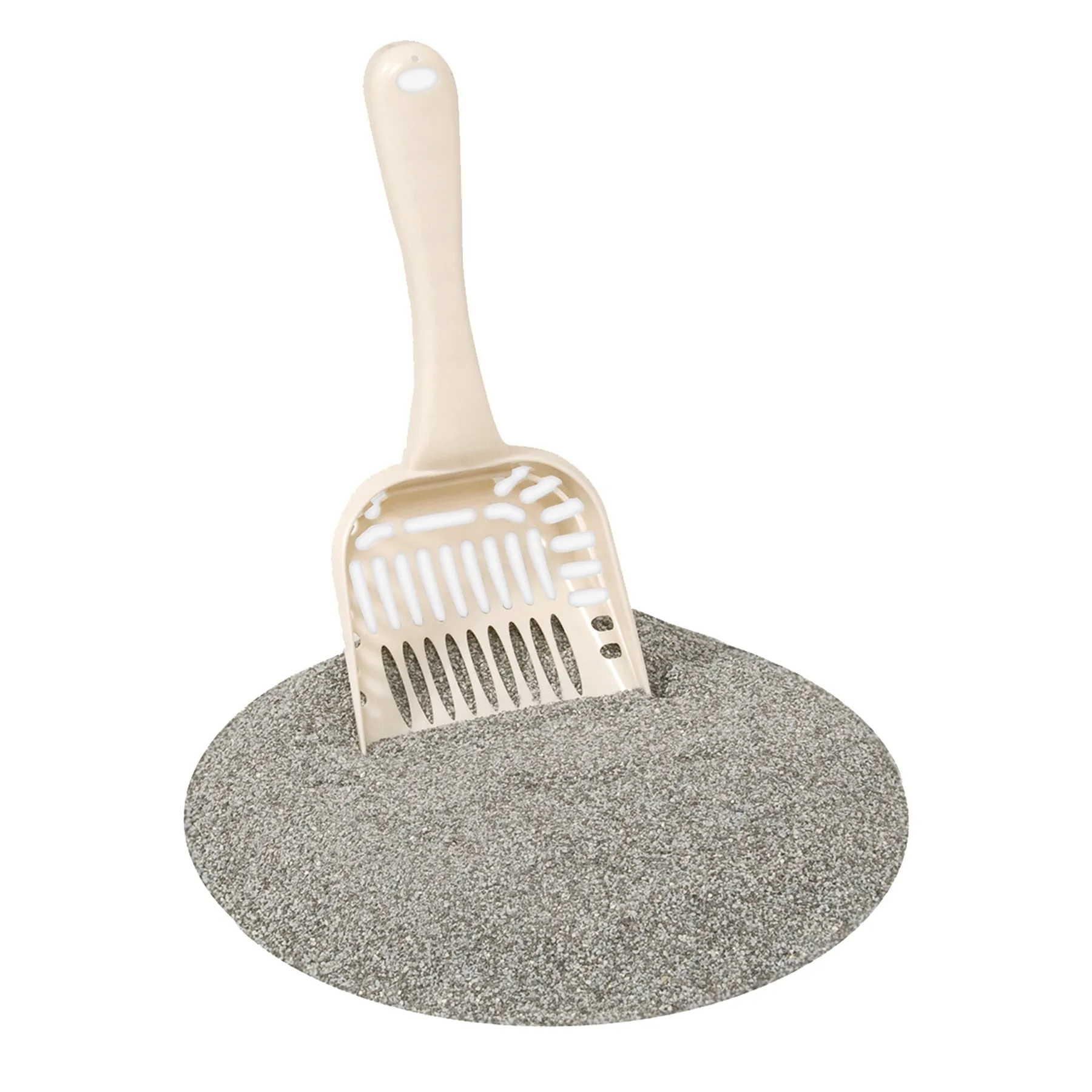
- Petmate Classic Litter Scoop: The Petmate Classic Litter Scoop is made from durable plastic with Microban technology for antimicrobial protection against stains, bacteria, mold, and mildew. Daily scooping is the most reliable fix for avoidance, and a scoop that resists odor-causing buildup makes that routine easier to keep.