Quick answer
Stop free-feeding dry food for two hours before offering wet food, warm the wet food to just below body temperature, and serve a smooth pâté or mousse texture in a shallow dish. If your cat still refuses after three days of consistent, low-pressure offers, stop and consult your veterinarian to rule out dental pain, nausea, or other medical causes.
Symptom check: Is it refusal or a medical red flag?
A cat that sniffs wet food and walks away is showing refusal. A cat that tries to eat but drops food, chews on one side, or vomits shortly after eating is showing a medical symptom. Refusal alone rarely requires urgent care, but refusal paired with weight loss, hiding, or bad breath does. Check for drooling, pawing at the mouth, or changes in drinking before you assume the problem is pickiness.
- Refusal: sniffs, licks once, walks away, returns later to dry food.
- Medical red flag: drops food, chews on one side, drools, or vomits after eating.
- Appetite loss lasting more than 24 hours in a cat that normally eats well warrants a vet call.
Cause 1: The food is too cold or too firm
Refrigerated wet food loses its aroma, and aroma drives feline appetite. Cold food also firms up, which matters for cats who prefer a soft, spreadable texture. The cat food temperature trick is simple: place the portion in a glass bowl and set it in a warm water bath for two to three minutes, or add a teaspoon of warm water and stir. Aim for room temperature to slightly warm, never hot. If the food was frozen, thaw it overnight in the fridge, then warm it gently.
Cause 2: The texture doesn't match your cat's preference
Texture is the most common reason a cat rejects wet food. Some cats want a smooth pâté they can lick; others want shreds or flakes they can chew. If you have been offering chunks to a licker, try a pâté. If you have been offering pâté to a chewer, try a shredded or flaked food. Wet food texture for finicky cats is not about brand loyalty; it is about matching the physical form your cat can comfortably eat. A mousse-style topper can also bridge the gap: it adds moisture and aroma without demanding a full meal commitment.
Cause 3: Stress at mealtime or a dirty bowl
Cats are sensitive to competition, noise, and smell. A bowl near a noisy appliance, a dog, or another cat can suppress appetite even when the food is perfect. Wash bowls with unscented soap and hot water; residual detergent or old food odor can put a cat off. Offer wet food in a quiet room, use a shallow dish so whiskers do not touch the sides, and stay nearby but do not stare. If you have multiple cats, feed them in separate rooms or use a microchip feeder.
Cause 4: You are transitioning too fast
How to transition cat to wet food without a standoff: start with a pea-sized amount of wet food mixed into the current dry food, then increase the wet-to-dry ratio over seven to ten days. If your cat picks out the wet food and leaves it, reduce the amount and go slower. Never remove all dry food at once; that can trigger a hunger strike and, in overweight cats, hepatic lipidosis. A slow transition respects the cat's neophobia while building positive associations with the new texture and smell.
When to stop and choose another option
If your cat has refused all wet food for more than three days, or if you see weight loss, vomiting, diarrhea, or lethargy, stop the transition and call your veterinarian. Some cats have medical reasons for refusal: dental disease, chronic kidney disease, nausea, or inflammatory bowel disease. In those cases, the solution is not a different texture but a veterinary diagnosis. If your vet clears your cat, you can try a different protein or texture, but do not force a food your cat consistently avoids. A cat that eats a complete and balanced dry food is better off than one that eats nothing.
Diagnosis: Match the symptom to the fix
- Sniffs and walks away: The food is likely too cold, too firm, or lacks aroma. Warm it gently and try a smoother texture. If warming and texture change do not work within two days, move to the next diagnosis.
- Licks the gravy but leaves the meat: Your cat prefers lickable textures. Try a pâté or mousse, or mash the food with a fork and add warm water. If your cat eats the liquid but not the solids, a mousse-style topper may be the bridge.
- Eats a few bites then stops: Possible mouth pain, nausea, or stress. Check for drooling, head shaking, or a dirty bowl. Try a quiet room and a shallow dish. If the behavior continues for more than 24 hours, stop and call your vet.
- Refuses all wet food for 3+ days: Stop the transition. This is beyond pickiness and may signal a medical issue. Choose another option: veterinary exam first, then a different protein or texture if cleared.
Products that match common refusal triggers
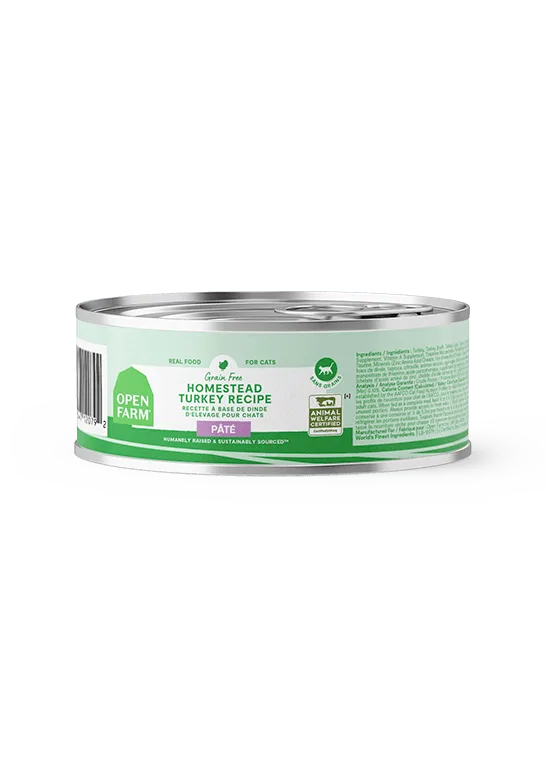
- Harvest Chicken Pâté for Cats: This velvety smooth pâté is crafted with a protein-packed blend of humanely-raised chicken and chicken liver, moisture-rich and finished with non-GMO pumpkin. It is grain- and legume-free and formulated without carrageenan, corn, or soy. A smooth pâté texture is often accepted by cats who reject chunky wet foods, and the high moisture content helps cats with low water intake.
- Salmon Topper for Cats: Crafted with 95% fresh Icelandic salmon, this silky mousse is a delicious and nutritious way to add instant texture and variety to your cat's bowl. It is grain- and legume-free and made in a human-grade facility with 100% human grade ingredients. Great for food sensitivities. A mousse topper can be used as a transition tool: mix a small amount into dry food or offer it alone to test whether your cat prefers a lighter, silkier texture.