Quick Answer
Cats scratch furniture to mark territory, stretch muscles, and maintain claws. Redirect this natural behavior by providing a sturdy cat scratching post near the affected area and using deterrents to protect your sofa.
Why Cats Scratch: Instinct, Not Mischief
Scratching is a deeply ingrained feline behavior. It serves several purposes: it removes the dead outer layer of claws, stretches the muscles of the forelimbs and spine, and leaves both a visual mark and a scent from glands in the paws. This marking communicates territory to other cats, which is why scratching often happens in high-traffic areas like the living room.
Understanding this helps you see that your cat isn't trying to destroy your furniture out of spite. Punishment is ineffective and can damage your bond. Instead, you need to provide an acceptable outlet that meets the same physical and emotional needs.
Trade-Offs: Scratching Posts vs. Deterrents
Scratching posts come in many materials and designs. Sisal rope is the most popular because it closely mimics tree bark, but some cats prefer cardboard or carpet. You may need to experiment to find your cat's preference. A post must also be tall enough for your cat to stretch fully, and sturdy enough not to wobble, or it will be ignored.
Deterrents like double-sided tape or citrus sprays can protect specific areas, but they only work if the cat has an attractive alternative. If you only deter without providing a post, your cat may simply move to another piece of furniture. The most effective approach combines a tempting post with temporary deterrents on the sofa.
Diagnose and Fix Scratching
- Symptom: Your cat scratches the arm of the sofa, the corner of a chair, or other furniture, often in visible areas.
- Likely Cause: Your cat is marking territory, stretching, or maintaining claws. The texture and location of the furniture likely mimic a preferred scratching surface. Observe which surface your cat prefers: vertical (sofa arm) or horizontal (carpet).
- Corrective Action: Place a sturdy cat scratching post near the scratched area. Choose a post that is tall enough for a full stretch and stable. Use a deterrent like double-sided tape on the furniture temporarily. Reward your cat with treats when it uses the post. If your cat ignores the post after a week, try a different material (sisal, cardboard, carpet) or orientation.
- When to Stop or Choose Another Option: If your cat continues to scratch despite providing a post and using deterrents, consult your veterinarian. Medical issues like anxiety or claw problems may require professional advice. Also consider a scratching pad or mat as an alternative. Never punish your cat for scratching; it will only increase stress and worsen the behavior.
Useful Products for Managing Scratching
-
Hygienic bags FPI 5365: Hygienic bags FPI 5365 are sturdy liners with draw strings that fix quickly to the rim of Cosmic, Prima, and Prima Cabrio litter trays. Keeping the litter tray clean reduces odors and stress, which can lower the urge to scratch as a stress-related behavior.
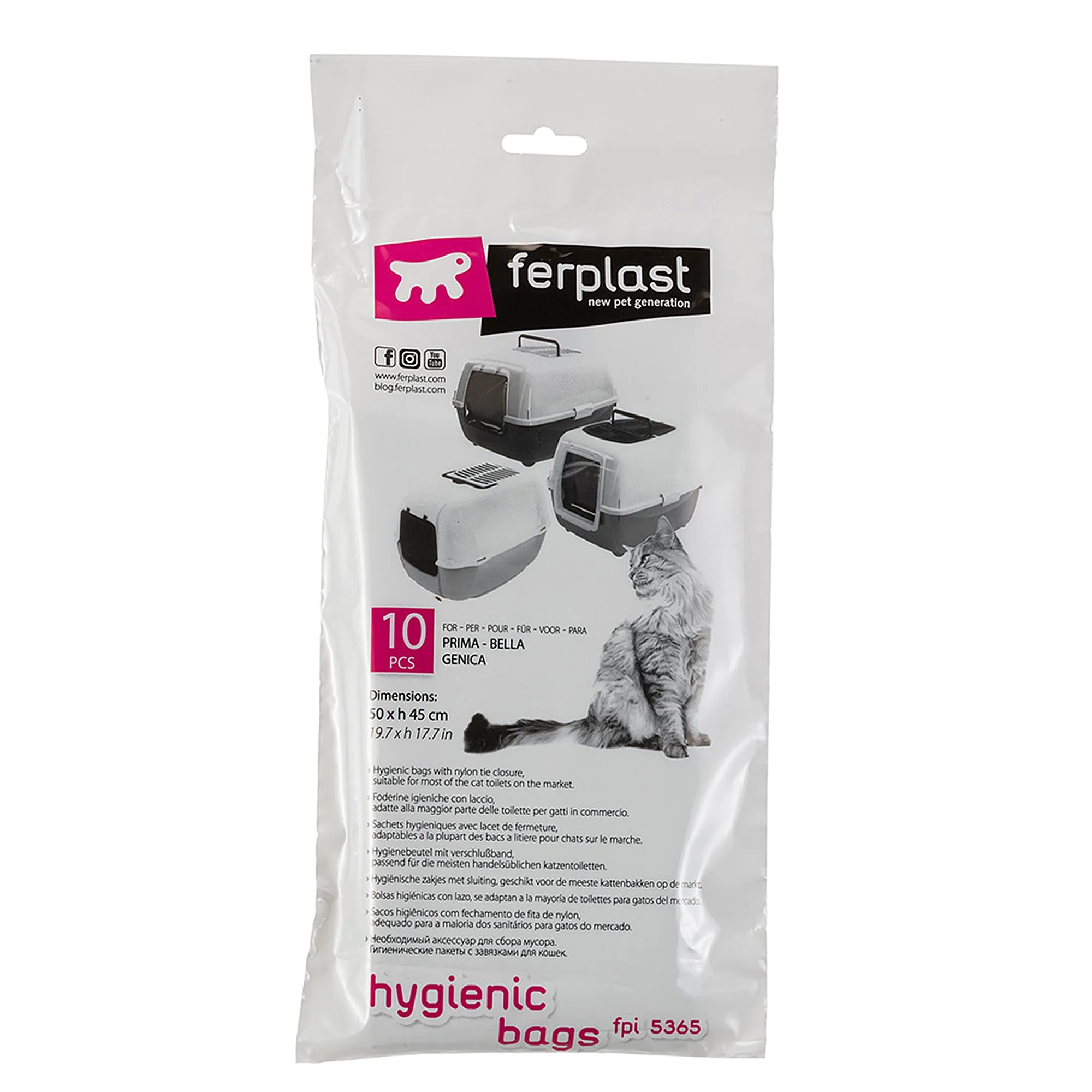
Hygienic bags FPI 5365
-
Hygienic scoop FPI 5352: Hygienic scoop FPI 5352 has a practical handle for easy removal of dirty litter and is sold in assorted colors. Frequent scooping keeps the tray inviting, so your cat is less likely to avoid it and scratch nearby furniture out of frustration.
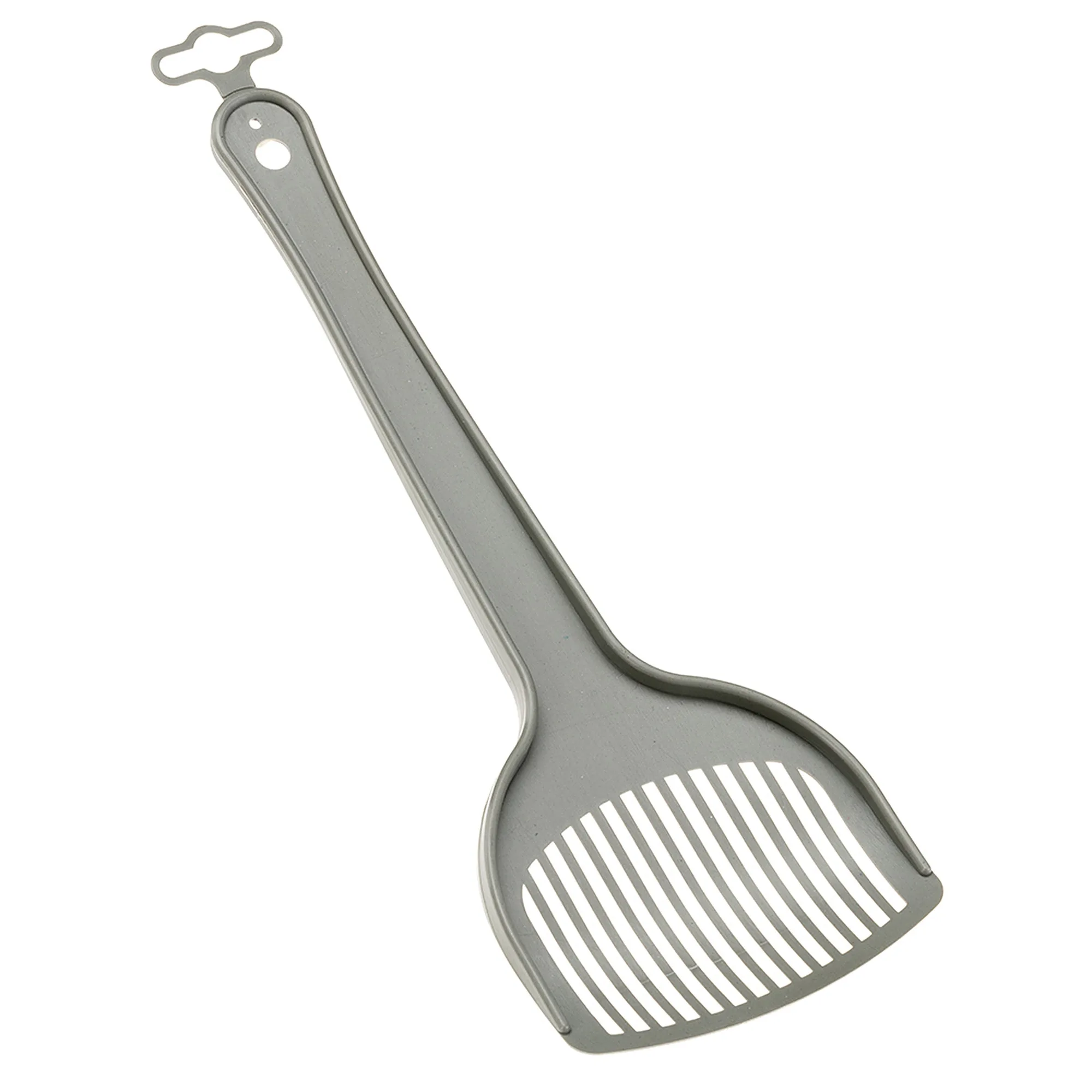
Hygienic scoop FPI 5352
-
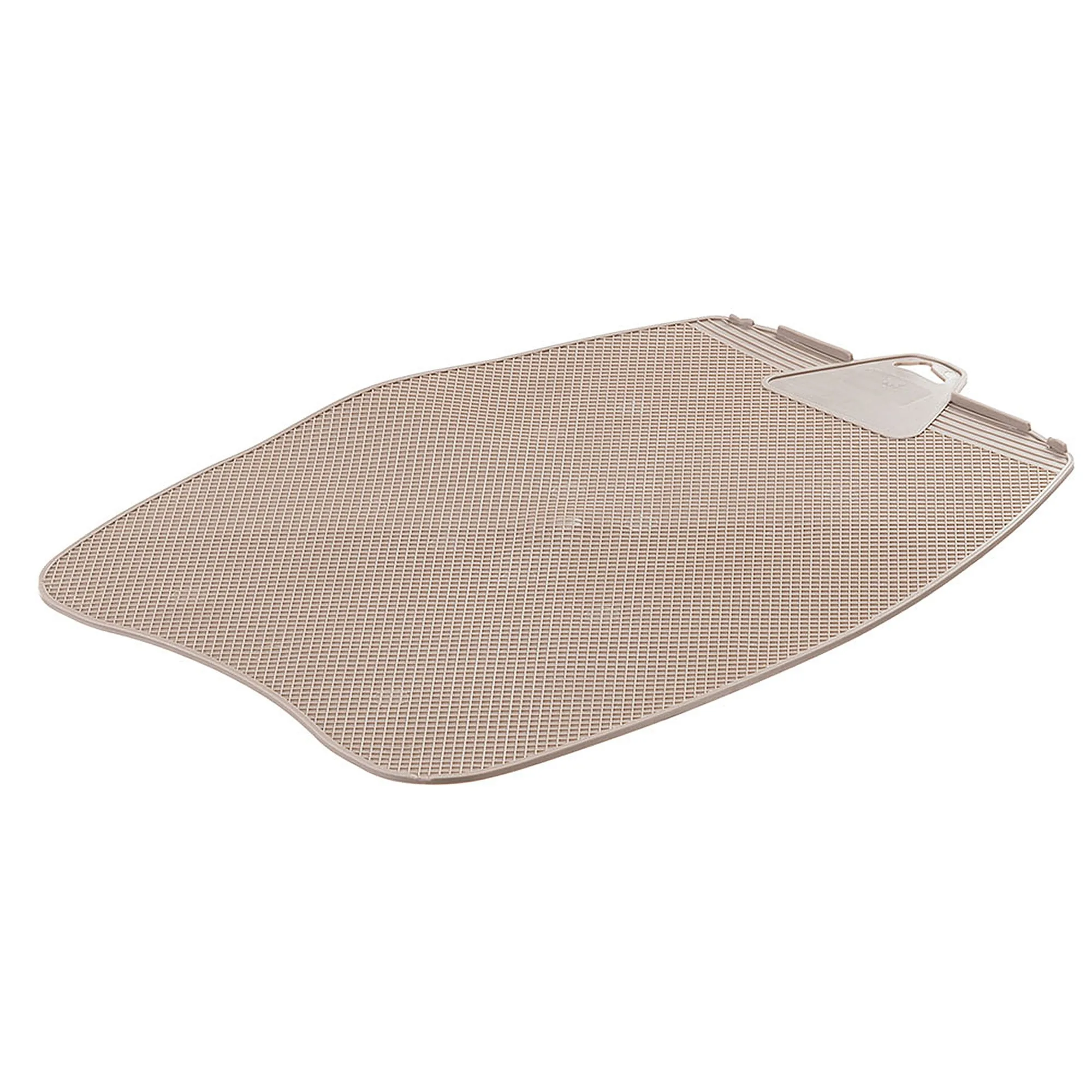
TAPIX: TAPIX is a stable, antislip mat with a handle, designed to trap litter grains that stick to paws when your cat leaves the tray. Placing a mat in front of the litter box reduces litter scatter and keeps the area clean, making the whole space more pleasant for your cat.