Quick Answer
Collector plushies are worth it when you would still want the piece if it never gained resale value. Prioritize officially licensed runs with a clear character tie-in, a size that fits your display space, and a price that feels fair for the materials. If you are buying purely to flip, skip it; most plush value comes from personal enjoyment, not speculation.
A collector plush is one of the few pieces of merchandise you can actually use every day without wearing it out. It sits on a shelf, survives a move, and still looks like the character years later. That durability is a big part of why plush collecting has staying power.
But not every plush deserves your money or your shelf space. The difference between a good buy and a regret usually comes down to licensing, character relevance, size, and whether the price matches what you actually get. This guide gives you decision rules you can apply before you click buy.
What Makes a Collector Plush Worth Buying
Start with the license. Officially licensed plush from the game or studio itself tends to hold design accuracy and material quality better than unlicensed lookalikes. If a listing does not name the licensor, treat that as a warning sign. A clear license also means the character design is approved, so the plush actually looks like the character you love.
Next, look at the character and the moment it represents. A plush tied to a specific scene, faction, or inside joke will mean more to you than a generic mascot. That personal connection is what keeps a plush on display instead of in a storage bin. Finally, check the size and price together. A small plush at a premium price is harder to justify than a larger one at the same cost.
- Confirm the plush is officially licensed before buying.
- Choose characters you already have an emotional connection to.
- Compare size and price side by side, not in isolation.
How to Judge Limited Edition Plush
Limited edition plush can be a strong buy, but only when the limitation is real and documented. If the product page does not state a run size or a time window, do not assume it is rare. Scarcity that is not stated is not scarcity you can rely on.
When a plush is genuinely limited, the main risk is waiting too long. Bundles and limited runs often sell on a first-come, first-served basis, so the decision window can be short. If you know you want it, buy it when you see it rather than hoping for a restock.
- Look for an explicit run size or sale window before assuming rarity.
- Treat limited bundles as time-sensitive, not permanent catalog items.
- Do not pay a premium for 'limited' if the listing never says how limited.
Space, Display, and Long-Term Care
Plush takes up more room than pins or stickers, so space is a real cost. Measure your shelf or display area before you buy, especially if you are adding multiple pieces. A plush that has nowhere to go often ends up stored, which defeats the point of collecting it.
Care matters too. Plush with hanging loops or small accessories needs a spot where it will not snag or crush other items. Keep plush away from direct sunlight to slow fading, and dust gently rather than washing aggressively. If a plush comes with a hanger, decide up front whether it will hang or sit, because that changes where it can live.
- Measure your display space before buying a larger plush.
- Keep plush out of direct sun to reduce fading over time.
- Decide hanging versus sitting placement before it arrives.
Decision Rules for Buying Collector Plush
- Rule 1: License check: Only buy if the listing names an official licensor or studio. Unlicensed plush may look close but usually skips approval and quality control. No license named, no purchase.
- Rule 2: Character connection: Ask whether you would still want the plush if it never increased in value. If the answer is no, it is a speculation buy, not a collection buy. Buy the character, not the resale chart.
- Rule 3: Space and size fit: Measure your shelf or bag space first. A 5-inch hanger plush fits almost anywhere, while a larger collector plush needs a dedicated spot. If it has no home, it becomes storage.
- Rule 4: Limited means documented: Treat a plush as limited only if the run size or sale window is stated. Otherwise assume it can be restocked. Undocumented scarcity is not a reason to rush.
Examples That Show the Trade-Offs
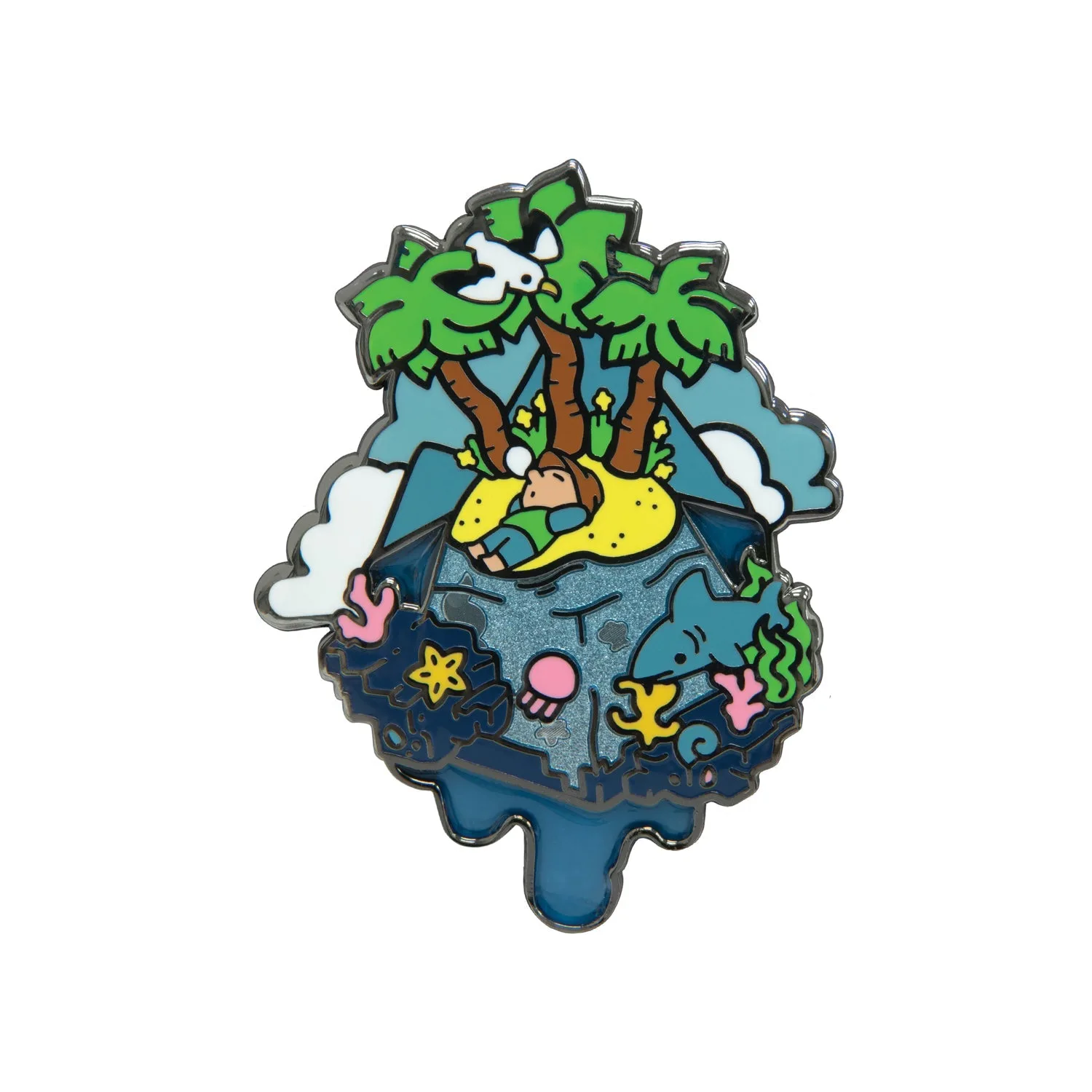
- Persona 5 Royal - Futaba Sakura Collector's Plush: Officially licensed Persona 5 Royal plush of Futaba Sakura, a highly gifted computer programmer, with a matching Futaba Sakura Collector's Pin also available. A licensed character plush with a companion pin gives you two display options and a clear reason to keep the character together on one shelf.
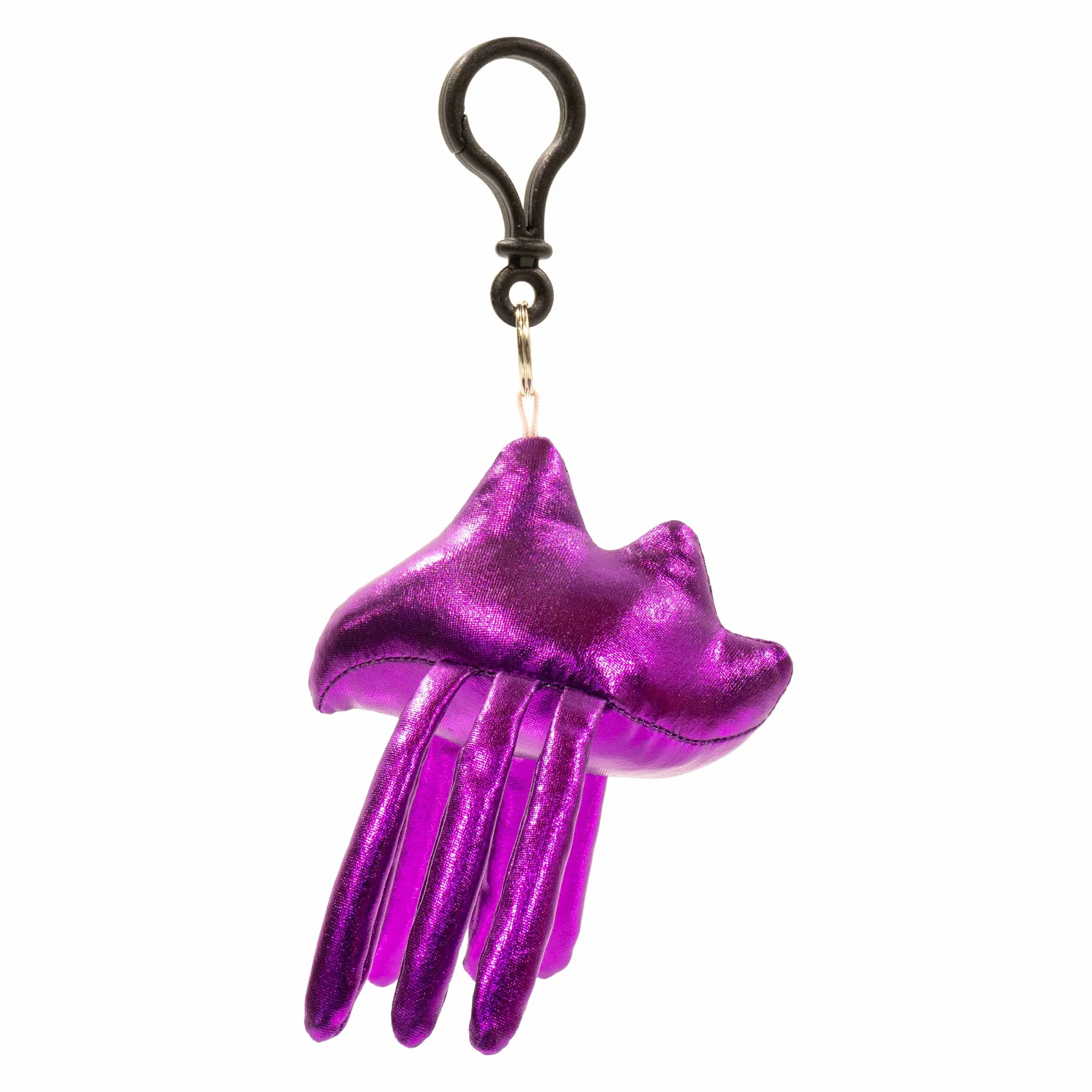
- Mass Effect - Hanar Hanger Plush: Officially licensed Mass Effect plush, approximately 5 inches by 4 inches, comes with a hanger, design by Amanda Flagg. The compact size and included hanger make it easy to place on a bag, hook, or small shelf, so it earns display space without a big footprint.
- Mass Effect - Commander's Coasters Bundle: Bundle includes both the Paragon and Renegade coaster sets plus an Omni-Tool Bottle Opener; bundles are limited quantity and sold first-come, first-served. Shows how a limited bundle pairs a themed set with a practical extra, which can be better value than a single plush if you want usable home items.
Who Should Buy Collector Plush
Best for
- Fans who want a durable, displayable piece of a favorite game or series.
- Collectors who already have a shelf or bag spot planned for the plush.
- Buyers who value officially licensed design over lowest possible price.
Not for
- Shoppers buying only to resell at a profit.
- Collectors with no display space or storage plan.
- Anyone unwilling to check licensing before purchase.
Collector plushies are worth it when the character matters to you, the license is clear, and the piece has a place in your space. Use the four rules above, and you will build a plush collection you actually enjoy rather than one you store.