Quick answer
Most Comfort Colors tee fading traces back to heat, harsh detergent, or direct sun, not a defect in the shirt. Switch to cold washing and low-heat drying, and you can usually stop the color loss before it spreads. If the shirt is already pale and thin, treat it as a worn-in favorite rather than trying to restore the original color.
What Comfort Colors fading actually looks like
Not every color change is the same problem. A garment-dyed tee can look softer after a few washes and still be perfectly healthy. The fading worth worrying about is uneven: lighter patches under the arms, a duller chest panel, or a collar that no longer matches the body. That pattern points to localized damage rather than normal dye settling.
Comfort Colors shirts are garment-dyed, which means the color is applied to the finished shirt rather than to raw fabric. That process gives the soft, slightly washed look people buy them for, but it also means the surface dye can be affected by anything abrasive or hot. If the whole shirt looks uniformly lighter, you are probably seeing the intended garment-dyed character. If only some areas look washed out, you have a care problem to fix.
The four causes worth checking first
Heat is the most common culprit. Hot water opens the fabric and lets dye escape, and a hot dryer does the same thing while tumbling the surface. Wash on cold and dry on low or hang dry, and you remove most of the risk in one change.
Detergent choice matters more than most people expect. Powders with bleach alternatives, pods with stain boosters, and anything labeled for whites can strip color from a garment-dyed shirt. Use a gentle liquid detergent and skip fabric softener, which leaves a residue that makes colors look flat over time.
Sun exposure is the slow one. A shirt that dries on a line in direct afternoon sun will fade faster than one dried indoors, especially on darker colors. If you line dry, do it in shade or turn the shirt inside out.
Finally, check how full the load is. An overloaded washer rubs shirts against zippers, buttons, and each other, which abrades the dyed surface. Wash tees with soft items and give them room to move.
How to stop t-shirt fading going forward
Turn the shirt inside out before it goes in the machine. This puts the abrasion on the inside face and protects the dyed outer surface. Wash similar colors together in cold water on a gentle cycle, then reshape the shirt and dry it on low heat or hang it in the shade.
If you use a dryer, pull the shirt out while it is still slightly damp. The last few minutes of heat are where a lot of color loss happens, and a damp shirt finishes smoothing out on its own. Avoid ironing directly on the print or the dyed surface; if you must iron, do it inside out on a low setting.
For storage, keep tees out of direct sunlight and away from windows. Long-term light exposure fades hanging shirts just as surely as a clothesline does.
Can you revive a faded t-shirt?
Sometimes, but be realistic about what revival means. A commercial color-restoring dye can even out a shirt that has faded uniformly, but it will not match the original garment-dyed shade and it can affect the print. If the shirt has a designed graphic, dyeing it risks muddying the artwork.
A gentler option is to accept the fade as part of the look. Garment-dyed tees are supposed to feel broken in, and a shirt that has softened over a year of wear often looks better than a stiff new one. If the color loss is patchy, though, no dye job will hide the unevenness well.
This is the point where you should stop trying to fix the shirt. If it is thin, pilled, or faded in patches, replacement is the better move, and a fresh Comfort Colors tee will hold its color longer than a revived one.
Fading diagnosis: match the symptom to the fix
- Uniformly lighter all over: This is usually normal garment-dyed settling, not damage. Keep washing cold and drying low to slow it down. No corrective action needed; the shirt is behaving as intended.
- Patchy fading under arms or on the chest: Likely heat, detergent, or abrasion. Switch to cold water, gentle liquid detergent, and low-heat drying. Fixable if you change the wash routine now.
- Dull, flat color with no patchiness: Fabric softener residue is the usual cause. Wash once with a gentle detergent and no softener to reset the surface. Stop using softener on tees going forward.
- Thin, pilled, and faded in patches: The fabric is worn out, not just faded. Dye will not restore it evenly. Replace the shirt rather than trying to revive it.
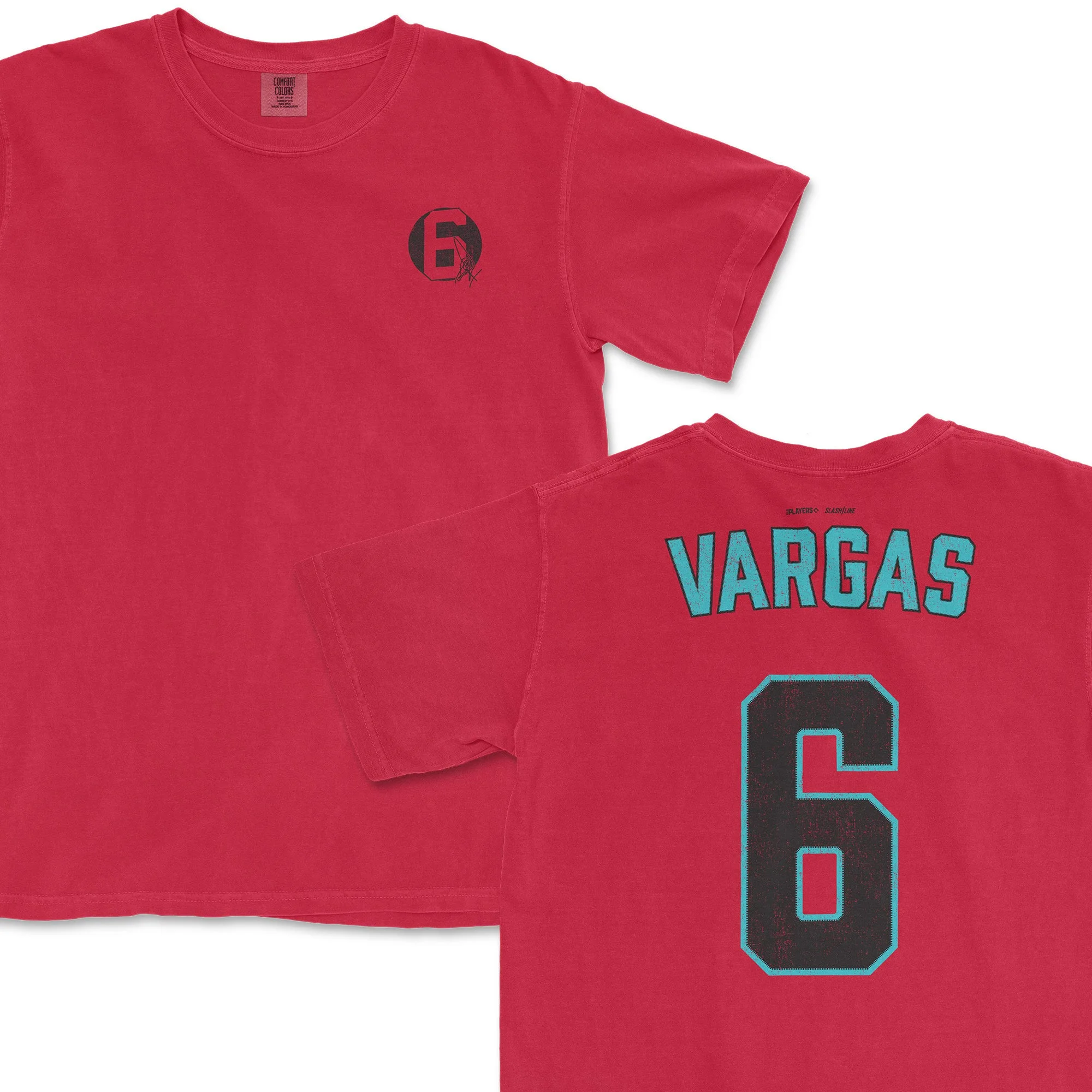
Comfort Colors tees built to hold their color
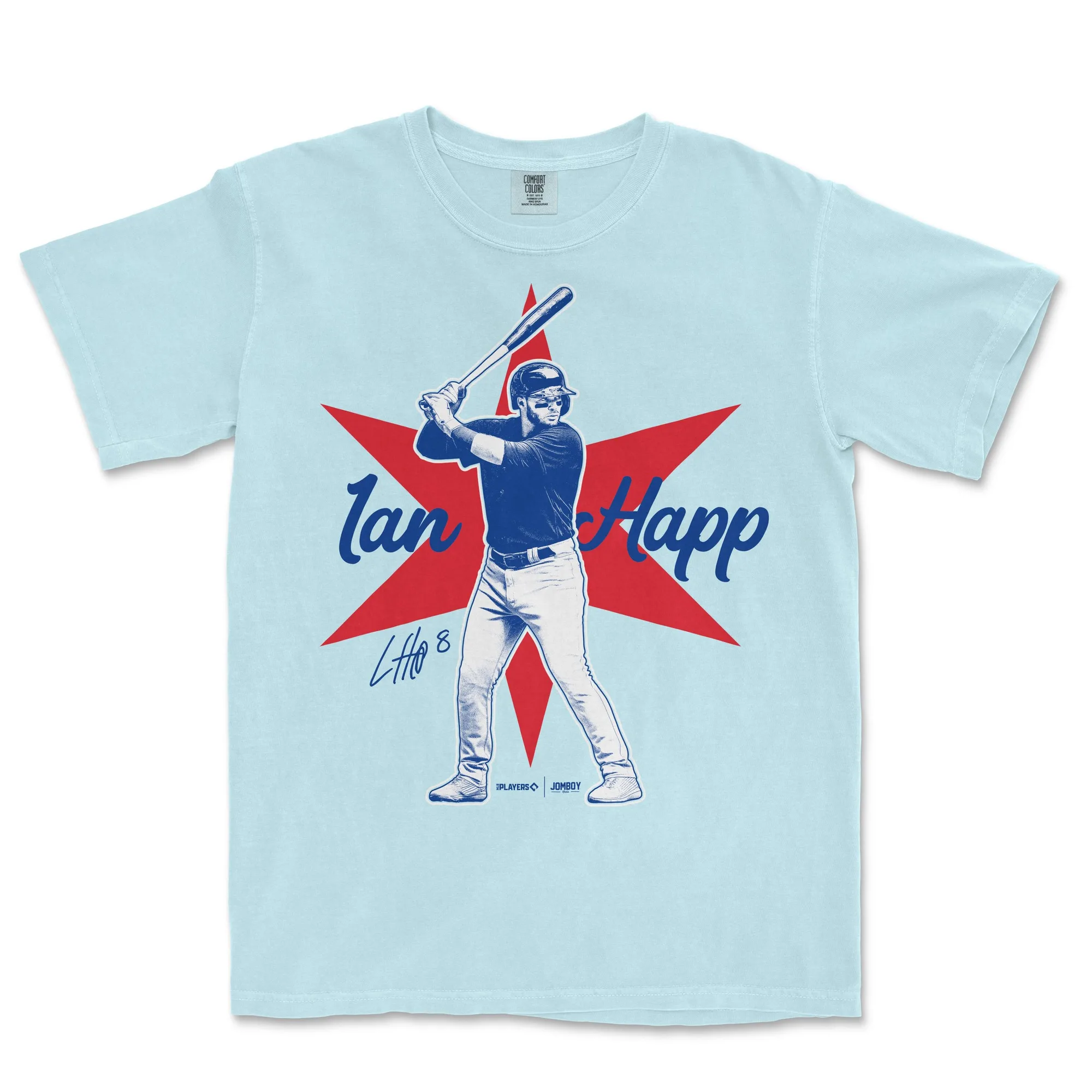
- Talkin' Yanks Essentials Vol. 2: Designed by the Jomboy Media team and printed in the USA with fade-resistant inks on a premium Comfort Colors shirt. Fade-resistant inks protect the graphic, but the garment-dyed fabric still needs cold washing to keep its color.
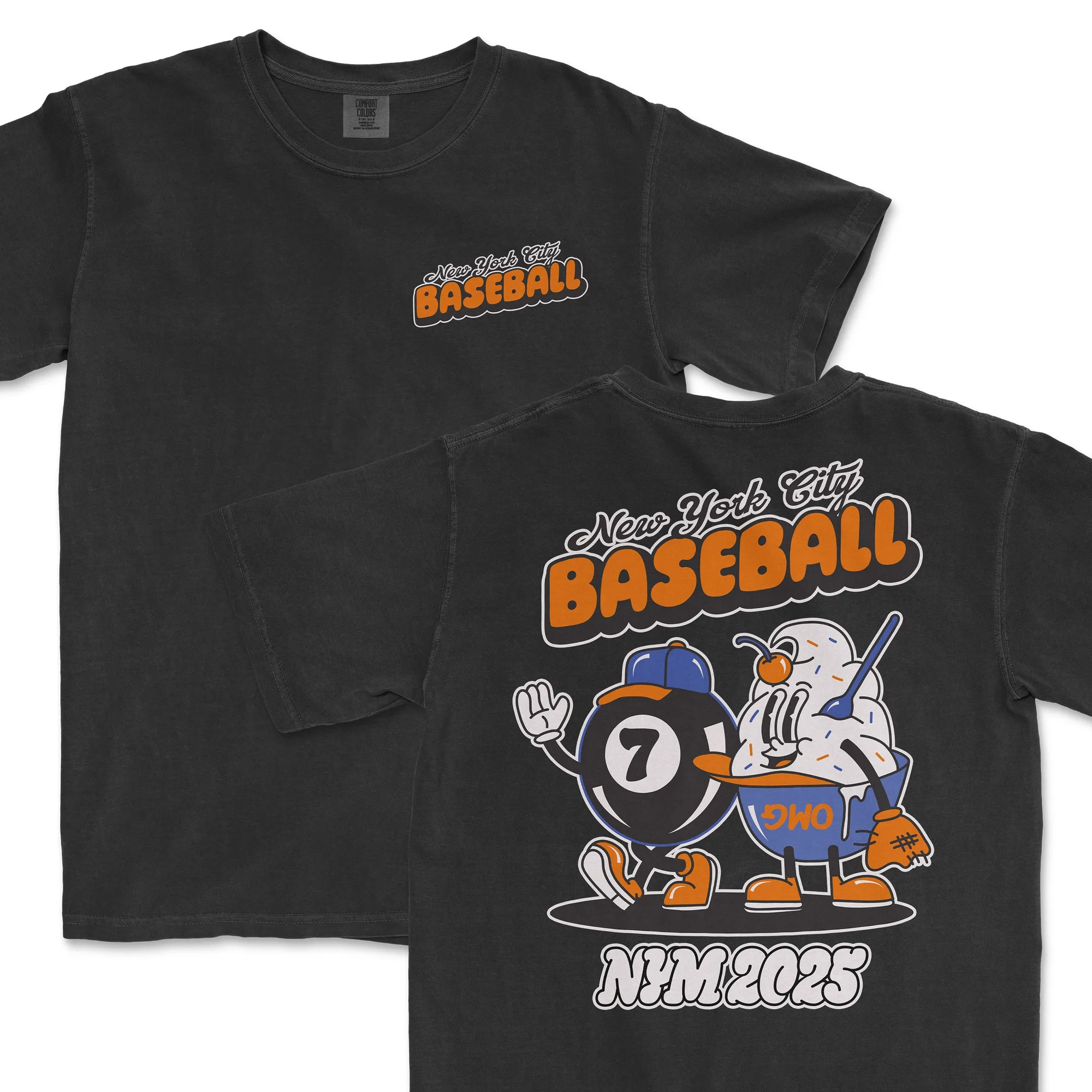
- CLE City Vintage: Designed by the Jomboy Media team and printed in the USA with fade-resistant inks on a premium Comfort Colors shirt. A vintage-style design on a garment-dyed tee will look intentionally soft, so judge fading by the fabric, not the print.
- Chandler Simpson: Designed by Slash Line and printed in the USA with fade-resistant inks on a garment-dyed heavyweight t-shirt. The heavier fabric takes longer to show wear, but it still fades if you wash it hot or dry it on high.