Quick answer
Concealer creases under the eyes because it settles into natural skin folds and fine lines, especially when too much product is applied or the formula is too thick. To fix it, use a thin layer of flexible concealer, set only where needed with a blurring powder, and avoid over-powdering. If creasing persists, switch to a lighter, more flexible formula.
Why concealer settles into fine lines
The under-eye area has very little oil and many fine lines. Concealer creases when product migrates into those lines and dries there. Thick, full-coverage formulas are more likely to crease because they sit on top of the skin rather than moving with it. Using too much product or applying it in a heavy layer also increases the chance of settling. Dryness, dehydration, and rubbing your eyes can make lines more visible and cause concealer to break down faster.
How to stop concealer creasing: step-by-step
Start with a hydrated but not greasy under-eye. Apply eye cream and wait a minute. Use a thin layer of concealer, only where needed. Blend with a damp sponge or fingers, pressing rather than sweeping. Set with a small amount of blurring powder only in the areas that tend to crease, like the inner corner or directly under the lash line. Avoid baking or applying multiple layers of powder. If you use a color corrector, keep it thin and only on dark circles, not on fine lines.
Choosing a concealer for mature skin or crease-prone eyes
For mature skin or anyone prone to creasing, look for concealers with flexible, comfortable wear that moves with your skin. Full coverage does not have to mean thick. A formula that adapts to movement can provide coverage without cracking. If your current concealer is very thick or matte, try a more flexible one or mix a tiny drop of eye cream with it. Also consider the applicator: a precise brush or doe-foot can help you place product only where needed.
When to stop adjusting and switch products
If you have tried thin layers, proper hydration, and minimal powdering but still see creasing within an hour, the formula may be too heavy for your under-eye area. At that point, switch to a lighter, flexible concealer. If your under-eye is very dry, a hydrating concealer or a tinted eye cream may work better than a full-coverage one. If creasing only happens with powder, try setting with a blurring under-eye powder instead of a heavy setting powder.
Diagnose your creasing
- Symptom: Creasing immediately after application: Likely cause: too much product or thick formula. Corrective action: use less concealer and blend with a damp sponge. Stop if the formula is very thick and matte; switch to a flexible one. Checkpoint: if creasing happens within minutes, reduce amount first.
- Symptom: Creasing after a few hours: Likely cause: lack of hydration or powder settling. Corrective action: hydrate under-eye before concealer and set with a blurring powder only where needed. Stop if you are baking or using heavy powder; try a lighter setting approach. Checkpoint: if creasing appears later, focus on hydration and minimal powder.
- Symptom: Creasing only in fine lines: Likely cause: concealer settling into lines. Corrective action: use a blurring under-eye powder and a precise brush to set only the lines. Stop if the powder is too drying; switch to a hydrating formula. Checkpoint: if lines are the only issue, target them with blurring powder.
Products that can help
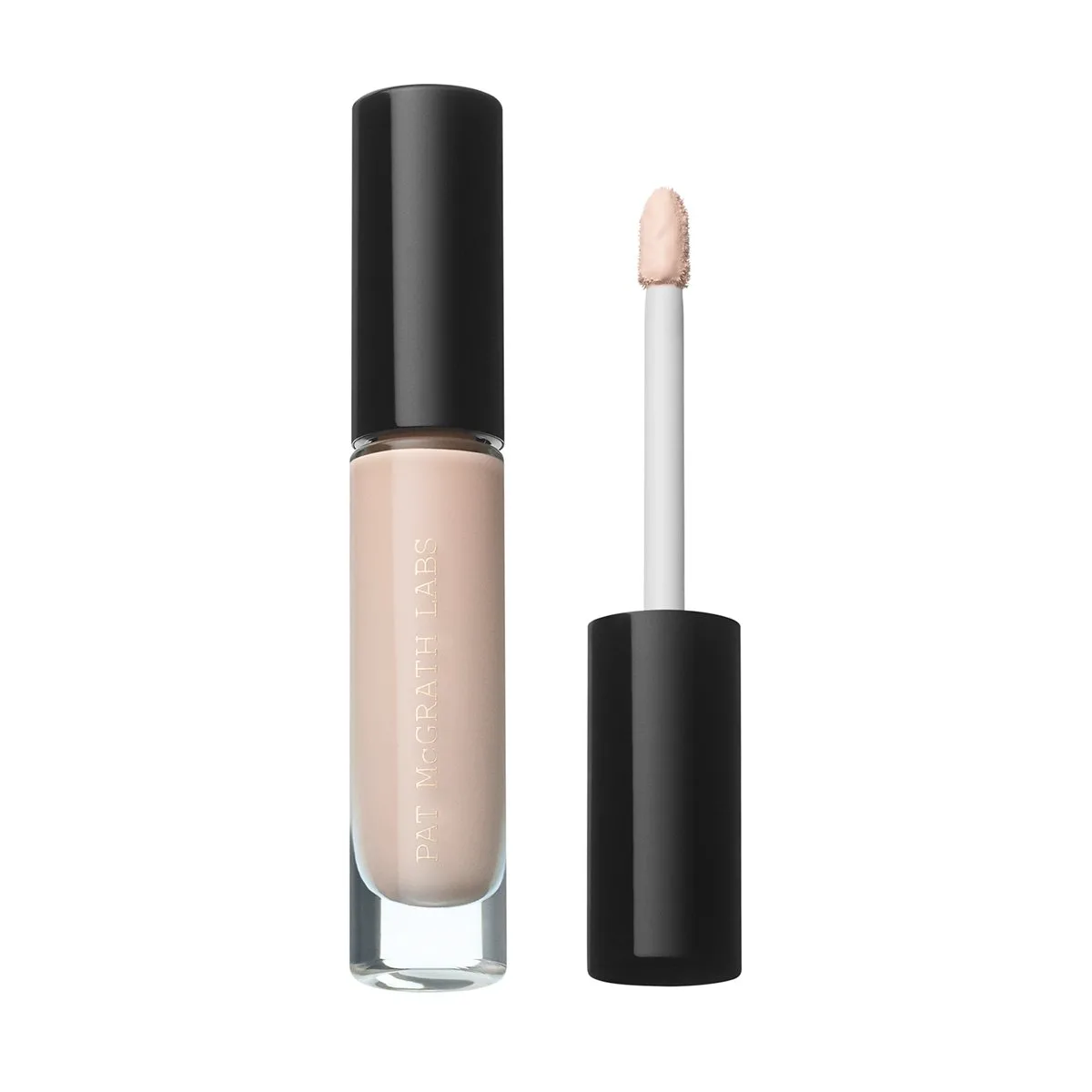
- Skin Fetish: Sublime Perfection Concealer: Skin Fetish: Sublime Perfection Concealer delivers full coverage with a flexible, comfortable wear that moves with your skin. A flexible formula is less likely to crack or settle into fine lines, making it a good choice for crease-prone under-eyes.
- Skin Fetish: Sublime Perfection Blurring Under-Eye Powder & Brush Duo: Skin Fetish: Sublime Perfection Blurring Under-Eye Powder & Brush Duo is designed to help blur the look of fine lines and imperfections for a smoother, more refined finish, and includes a specially designed brush for precise application. Using a blurring powder with a precise brush lets you set only where needed, reducing the risk of creasing from excess powder.
- Legendary Longwear Perfect Pairs: Legendary Longwear Perfect Pairs pairs a Legendary Longwear Lip Liner with a complementary lip product for longwear lips. While not for under-eyes, this kit shows the brand's approach to longwear; if you like longwear lip products, you might also appreciate longwear face products.