Quick answer
Conversation cards are an effective icebreaker for team building because they provide structured, low-pressure prompts that encourage authentic sharing. For corporate settings, choose decks like TableTopics Dinner Party or Friendship, which offer neutral yet engaging questions suitable for colleagues. Avoid overly personal or intimate decks like Date Night, which are better reserved for couples.
You’ve seen it before: a team-building session where everyone stares at their shoes, waiting for someone to break the silence. Traditional icebreakers often feel forced or awkward, leaving employees disengaged and counting the minutes until it’s over. But what if there was a simple tool that could turn those cringe-worthy moments into genuine connection?
Conversation cards are a practical solution that many HR professionals and managers are turning to. They offer a structured yet flexible way to get people talking, without the pressure of coming up with topics on the spot. In this article, we’ll explore why they work so well, how to choose the right set, and how to use them effectively in your next team-building event.
The Problem: Traditional Icebreakers Often Fall Flat
If you’ve ever led a team-building activity, you know the struggle: generic questions like 'What’s your favorite hobby?' often receive one-word answers, and the conversation dies quickly. Employees may feel put on the spot, especially introverts or new hires who don’t yet know their colleagues well. The result is a missed opportunity to build trust and camaraderie.
Another common issue is that some icebreakers can be too personal or invasive, making people uncomfortable. Questions about family or relationships, for example, might be appropriate for close friends but not for coworkers. This is where conversation cards shine—they’re designed to be thought-provoking yet professional, sparking dialogue without crossing boundaries.
- Avoid yes/no questions that stall conversation.
- Steer clear of topics that might be too personal or controversial in a workplace setting.
Why Conversation Cards Work: The Psychology Behind Them
Conversation cards are effective because they lower the barrier to entry. Instead of having to think of something interesting to say, participants simply draw a card and respond. This removes the anxiety of 'coming up with something clever' and allows people to be more authentic.
Additionally, the questions are often open-ended, prompting longer, more meaningful responses. For example, asking 'What’s the kindest thing a friend has ever done for you?' invites a story, not just a fact. This encourages active listening and empathy, which are key to building strong team bonds.
Choosing the Right Conversation Cards for Your Team
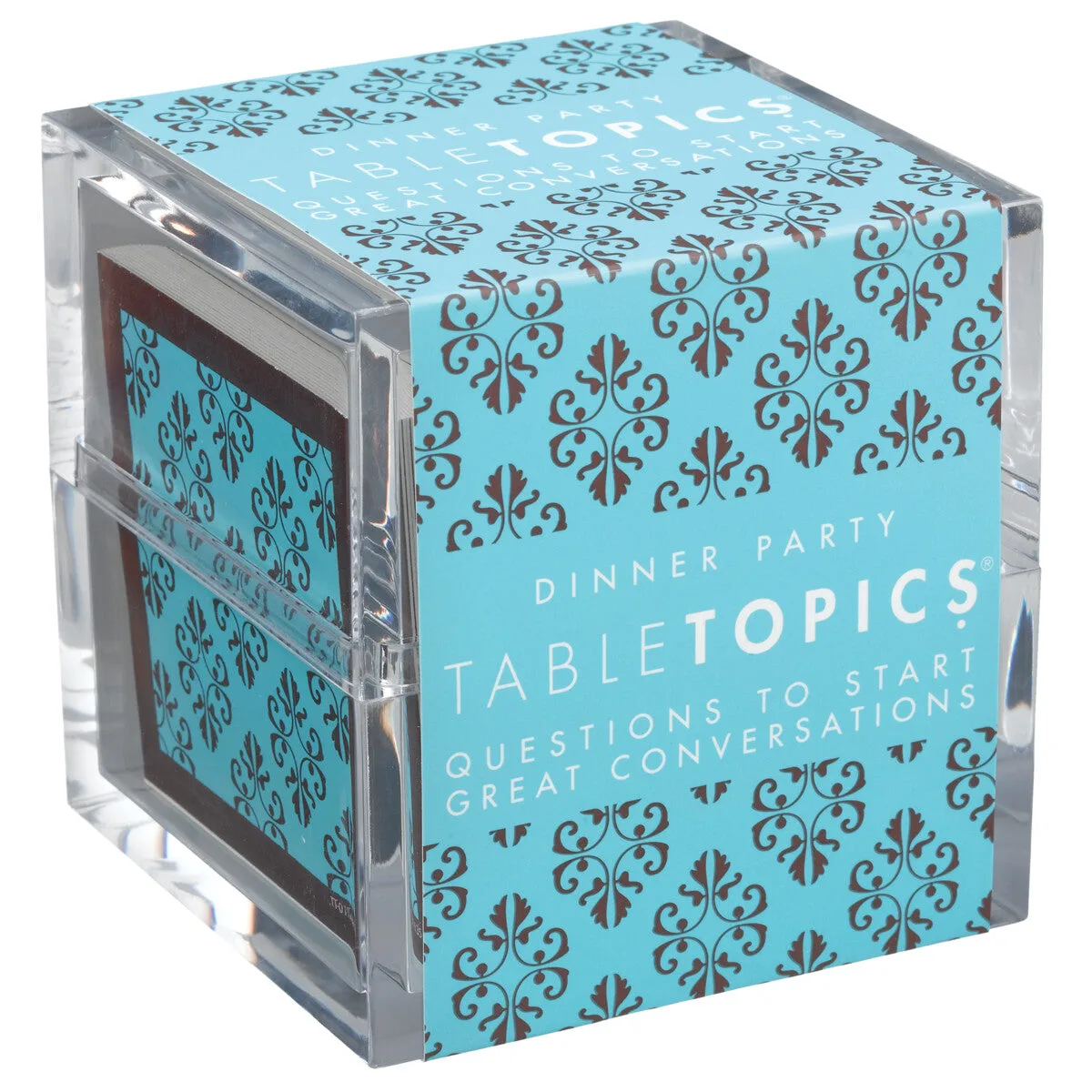
Not all conversation cards are created equal. For workplace settings, you want decks that are inclusive and appropriate for a diverse group of adults. TableTopics offers several options that work well in professional environments. The Dinner Party deck, for instance, includes questions like 'What do you like most about the state where you live?'—a safe, neutral topic that still reveals personal preferences.
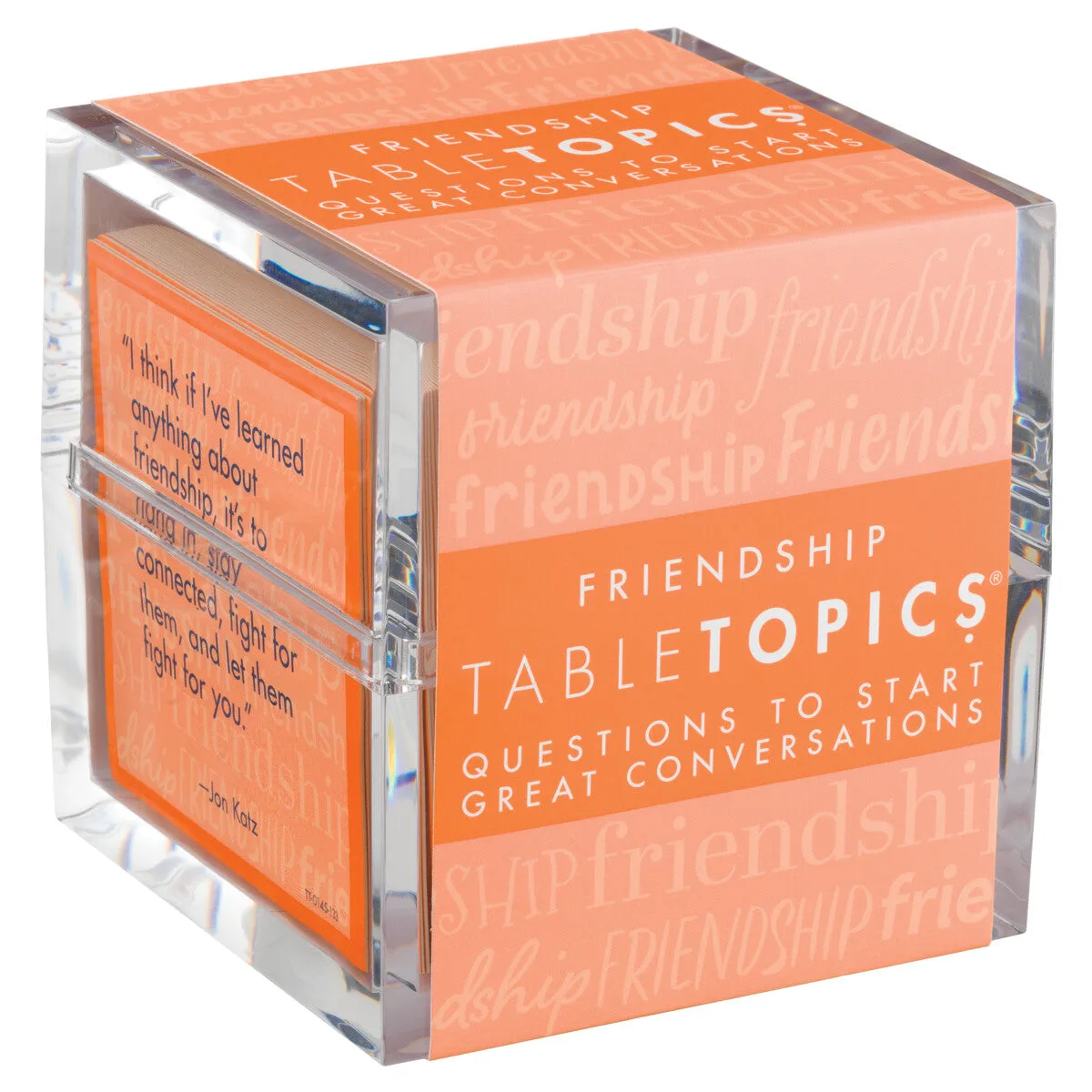
Another great choice is the Friendship deck, which focuses on connection and shared experiences. Questions like 'What’s your best tip for maintaining a long-distance friendship?' can lead to interesting discussions about communication and trust—valuable themes for any team. On the other hand, decks like Date Night are designed for couples and should be avoided in a corporate context.
- Consider the size of your team and the setting—some decks are more suited for small groups, others for larger gatherings.
- Look for decks with a mix of lighthearted and deeper questions to keep the energy balanced.
How to Use Conversation Cards in Team Building
Integrating conversation cards into your next team-building session is easy. Start by dividing your team into small groups of 3-5 people to ensure everyone has a chance to speak. Place a deck in the center of each group and take turns drawing and answering questions. You can also use them as a warm-up before a larger workshop or as a break activity during a long meeting.
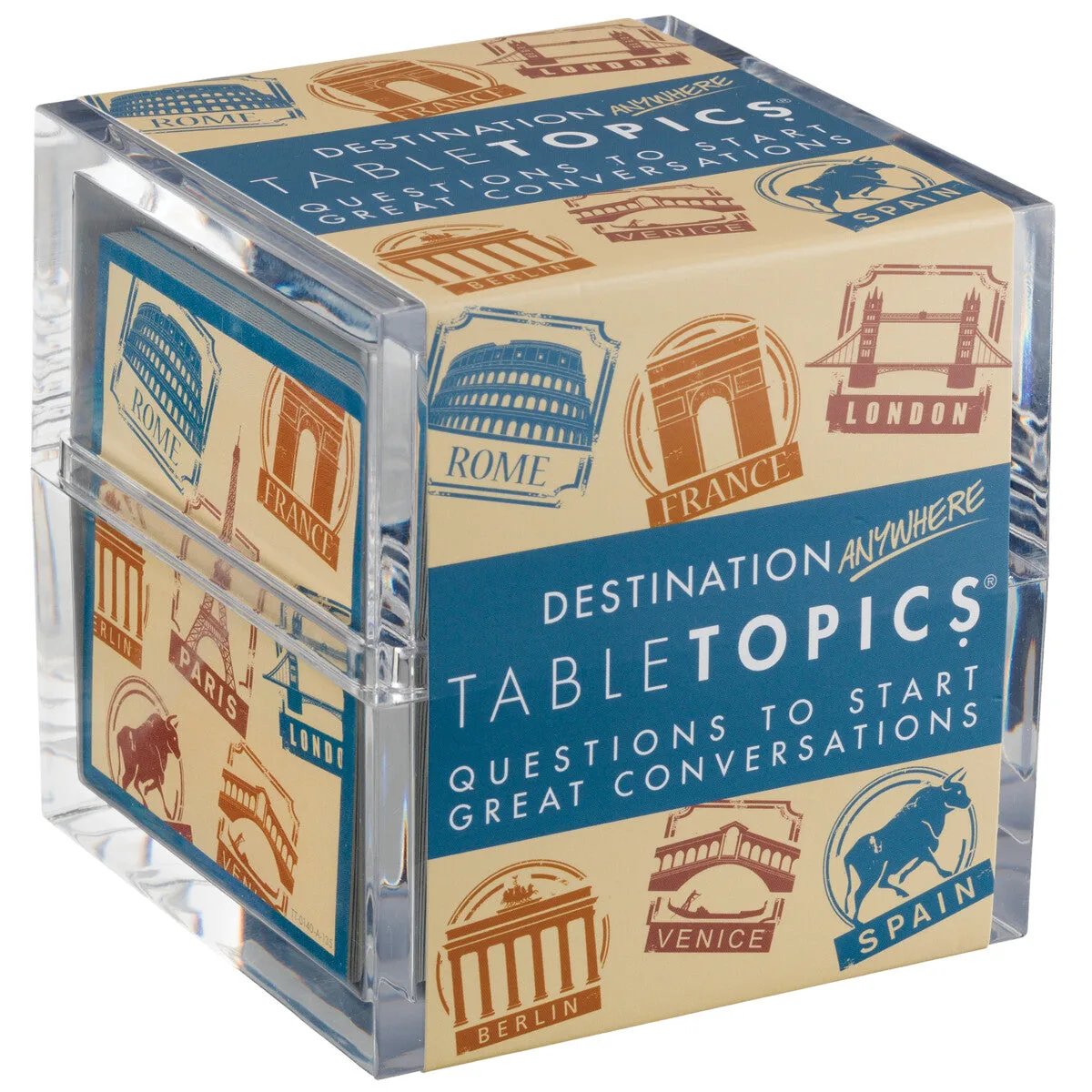
To keep things fresh, try thematic rounds. For example, use the Destination Anywhere deck to spark travel stories, which can be a fun way to learn about each other’s backgrounds and interests. Alternatively, the Family deck might be better suited for a more casual office party, where employees feel comfortable sharing about their home lives. Remember, the goal is not to interrogate but to create a relaxed atmosphere where everyone feels heard.
- Set a time limit per round to keep the activity moving.
- Encourage follow-up questions to deepen the conversation.
Making the Most of Your Investment
Conversation cards are a low-cost, high-impact tool. Most TableTopics sets retail for around $12.50, making them an affordable addition to your team-building toolkit. They’re also reusable—you can bring them out for every team meeting, retreat, or office party, so the value grows over time.
To maximize their effectiveness, pair them with other team-building activities. For instance, after a card session, you could move on to a collaborative project or problem-solving exercise. This way, the icebreaker serves as a foundation for deeper teamwork, not just a standalone activity.
Diagnosis: Identifying Your Team's Icebreaker Needs
- Symptom: Your team seems disengaged during icebreakers, with short answers and awkward silences. If this sounds familiar, conversation cards can provide structure and prompt more meaningful interaction.
- Likely cause: Traditional icebreakers are often too generic or require quick thinking, which can be intimidating for some employees. Switching to conversation cards removes the pressure and makes participation easier for everyone.
- Corrective action: Introduce conversation cards in small groups, choose a deck that fits your team's culture, and facilitate with a relaxed tone. If your team responds positively, consider making them a regular part of your meetings or events.
- Stop or choose another option: If you find that your team still resists, or if you're working with a group that prefers high-energy activities, conversation cards may not be the best fit. In that case, explore other icebreaker formats like team-building games or outdoor activities that better match your team's energy.
Product Facts
- Dinner Party Conversation Cards: 135 conversation cards covering a wide range of topics suitable for dinner parties and social gatherings. These cards are ideal for team lunches or after-work events, offering neutral yet engaging questions that get colleagues talking.
- Friendship Conversation Cards: 135 conversation starters designed for friends, covering topics like kindness, friendship dynamics, and communication. Perfect for building rapport among coworkers, these cards encourage sharing personal experiences in a comfortable, professional way.
- Destination Anywhere Conversation Cards: 135 fun conversation starter questions about travel and experiences. Travel-themed questions are a great way to learn about colleagues' backgrounds and interests, adding a fun twist to team-building sessions.
Conversation cards are a simple yet powerful way to break the ice and build stronger connections among team members. By choosing the right deck and facilitating effectively, you can turn awkward silences into meaningful conversations. Ready to try them at your next team-building session? Explore TableTopics' range of conversation cards and find the perfect fit for your team.