Quick answer
A corkscrew breaks corks mainly because the helix is inserted off-center or too shallow, the cork is dry and brittle, or the worm is worn or coated. Center the worm, keep it vertical, and use a waiter's corkscrew with a sharp, non-stick helix. For old or dry corks, switch to a lever model or a two-prong opener to prevent crumbling.
Diagnose the break: where did the cork fail?
The location of the break tells you the cause. If the top half crumbles, the cork was likely dry or the worm was inserted at an angle. If the break happens mid-pull, the helix may be too short or the cork is tightly wedged. If the cork splits vertically, the worm was too thick or the cork was already compromised.
- Top crumbles: dry cork or off-center entry.
- Mid-pull snap: helix too short or cork stuck.
- Vertical split: worm too thick or cork brittle.
Fix your technique: center, vertical, and steady
Place the tip of the worm at the exact center of the cork. Keep the corkscrew aligned with the bottle's axis; any tilt increases friction and tears the cork. Turn clockwise with steady pressure until only one turn of the helix remains visible. Then use the lever or your hand to pull smoothly, not jerkily. For waiter's corkscrews, rest the hinge on the lip and lever up gradually.
- Center the worm on the cork's face.
- Keep the corkscrew vertical to the bottle.
- Stop turning when one coil remains.
Address dry cork crumbling: hydrate or switch tools
Dry corks crumble because they have lost elasticity. If you suspect a dry cork (bottle stored upright for years), use a two-prong cork puller or a lever corkscrew that grips the cork's sides. Avoid waiter's corkscrews on very old corks. For a dry cork crumbling fix, you can also try inserting the worm at a slight angle to grip more material, but this is a temporary measure.
- Use a lever or two-prong opener for old corks.
- Never use a waiter's corkscrew on a crumbling cork.
- Consider a wine preservation system if the cork fails.
When to stop and choose another option
If the cork breaks into multiple pieces or falls into the wine, stop. Pour the wine through a fine mesh strainer or cheesecloth into a decanter. If the cork is pushed in, use a Ah-So or two-prong puller. For sparkling wines, never use a corkscrew; use a dedicated champagne opener to remove the cork safely. If you frequently open old vintages, invest in a lever corkscrew set designed for fragile corks.
- Stop if cork fragments enter the wine.
- Use a strainer or decanter to remove pieces.
- For sparkling wine, use a champagne opener.
Diagnosis: match the symptom to the fix
- Symptom: Cork crumbles at the top: Likely cause: dry cork or off-center worm entry. Corrective action: use a lever corkscrew or two-prong puller; if using a waiter's corkscrew, center the worm precisely and turn slowly. If the cork is very dry, switch tools immediately.
- Symptom: Cork breaks mid-pull: Likely cause: helix too short or cork tightly wedged. Corrective action: ensure the worm is long enough to grip the bottom of the cork; apply steady, even pressure. If the cork still breaks, stop and use a strainer.
- Symptom: Cork splits vertically: Likely cause: worm too thick or cork already brittle. Corrective action: use a thinner worm or a two-prong puller; avoid twisting force. If the cork is compromised, decant the wine.
Tools that help prevent cork breakage
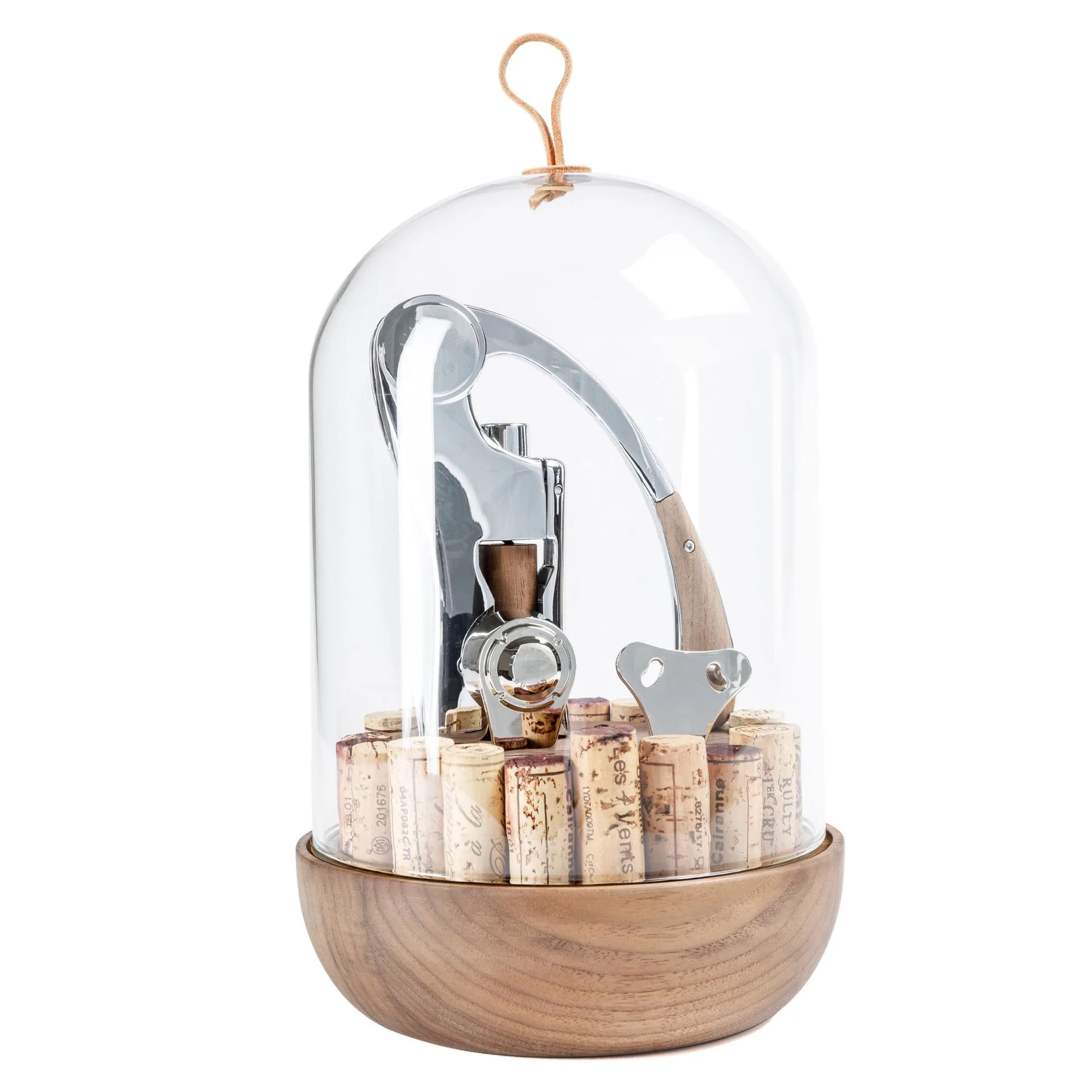
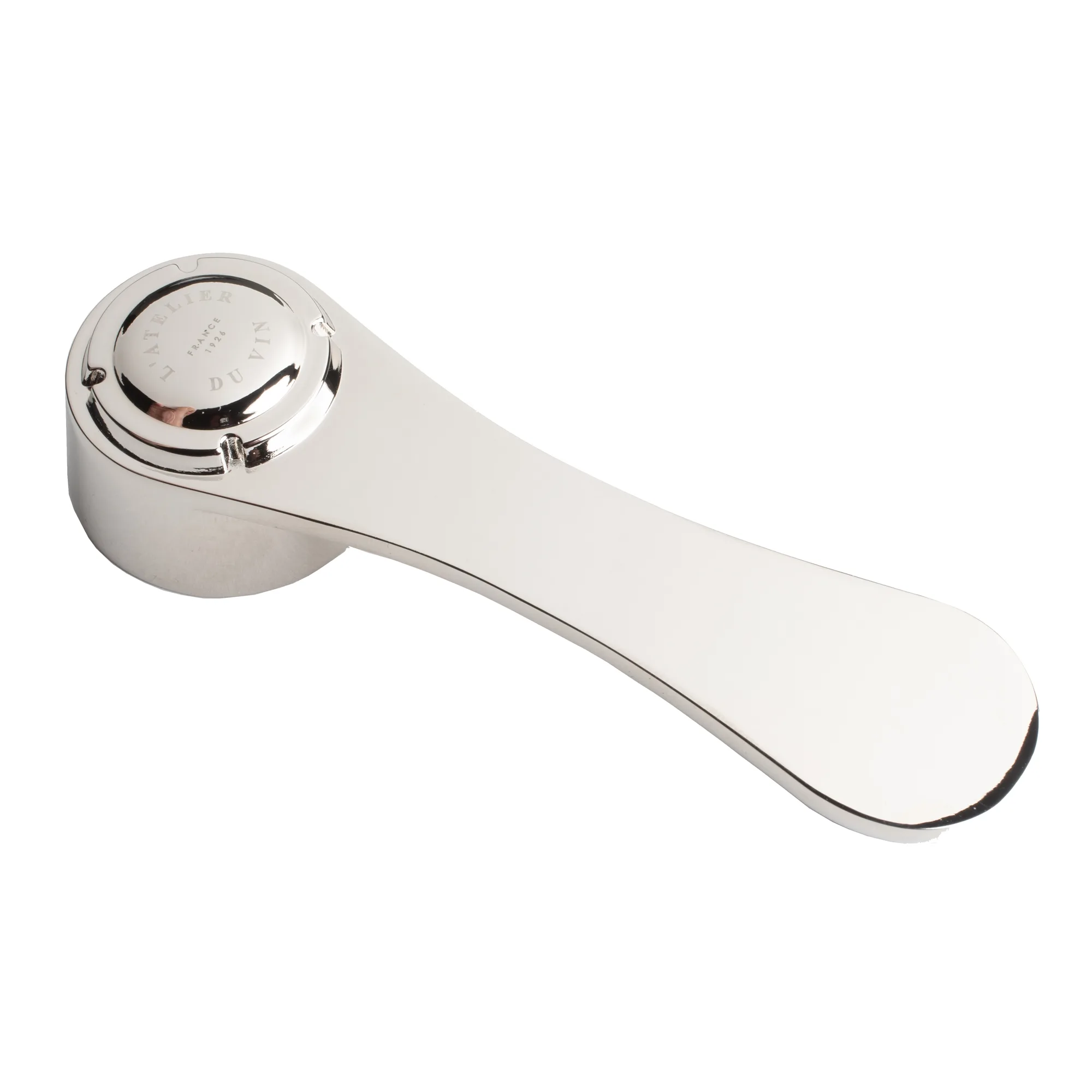
- Bell lever corkscrew set Oeno Motion Groom | L'Atelier du Vin: Bell lever corkscrew set Oeno Motion Groom is easily transported and will travel according to your whims: to the center of the table, to your kitchen, or your cellar. Handmade. Numbered series. The lever mechanism grips the cork evenly, reducing the chance of breaking dry or fragile corks. Its portability means you can use it wherever you open wine.
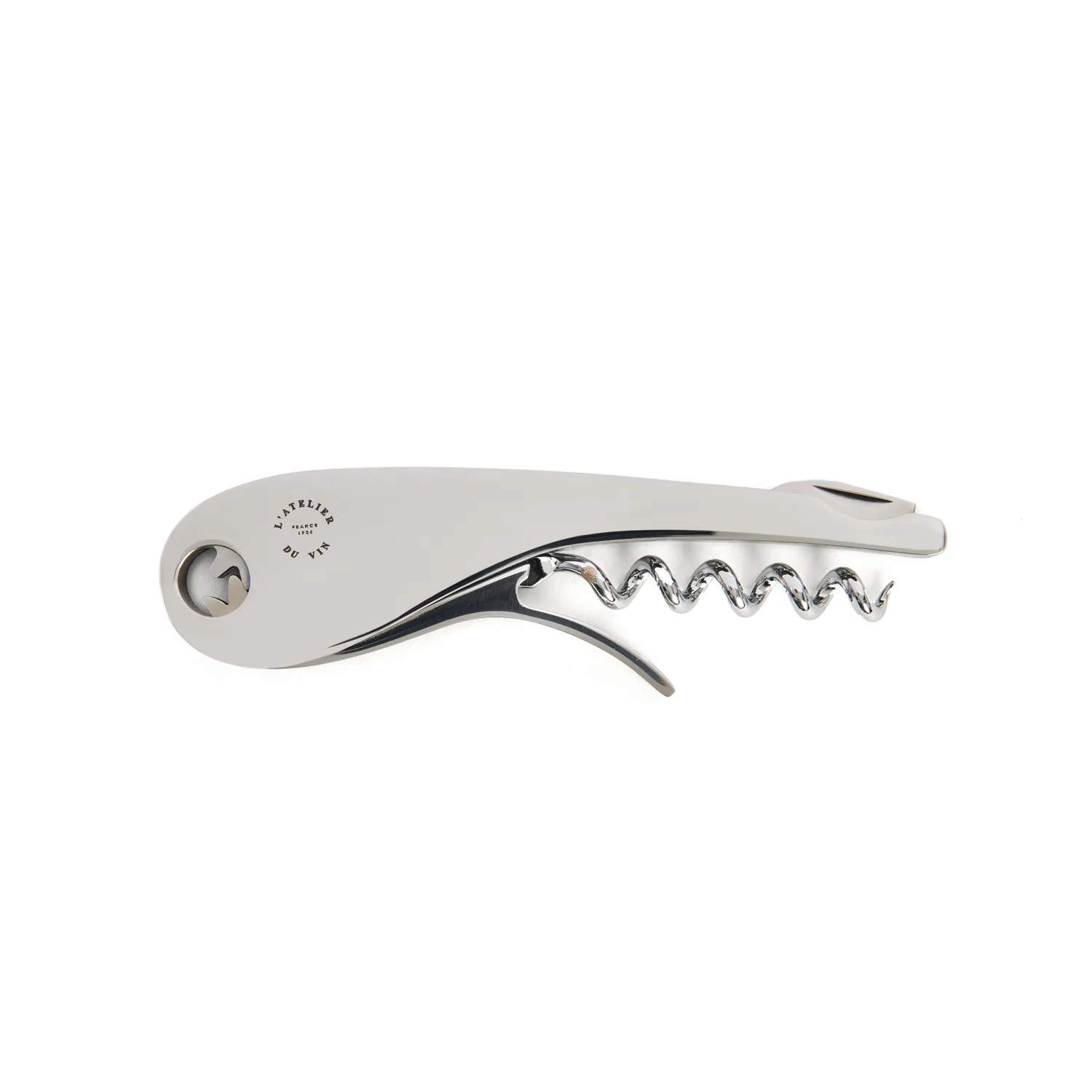
- Soft Machine Silver - L’Atelier du Vin: Soft Machine Silver from L’Atelier du Vin is a refined take on a classic corkscrew, presented in a sleek silver finish. Designed for wine enthusiasts, this waiter’s corkscrew combines elegance with functionality, making it a stylish addition to any wine accessory collection. Waiter’s corkscrew style for traditional, reliable bottle opening. Silver finish adds a modern, polished look. Compact and portable design. A well-made waiter's corkscrew with a sharp helix is essential for proper technique. The compact design makes it easy to carry, but it requires careful centering to avoid breaking corks.
- Champagne Opener – The Cork Opener | L’Atelier du Vin: Open your favorite sparkling wines with confidence using the Champagne Opener from L’Atelier du Vin. Designed for safe and effortless cork removal, this professional tool combines elegance with secure, easy-to-use functionality. Professional champagne opener for sparkling wine bottles. Ensures safe and controlled cork removal. Elegant design that complements your wine accessories. Simple to use for a smooth experience. Sparkling wine corks are under pressure and should never be removed with a corkscrew. This tool provides a safe, controlled way to remove them without breakage.