Quick answer
If your cycling kit smells after a single ride, the cause is almost always bacteria that have settled into synthetic fibers and weren't fully rinsed out. Wash your kit after every ride in cool water with a technical-specific detergent, turn it inside out, skip fabric softener, and hang it to dry immediately. If odor persists after two proper washes, the fabric may be permanently colonized and it's time to replace that piece.
Symptom: the smell comes back fast, even after washing
A kit that smells fine out of the wash but turns sour within 20 minutes of riding is telling you something specific: the odor isn't on the surface, it's inside the fiber. Synthetic fabrics like polyester are oleophilic, meaning they attract and hold oils from your skin. Those oils trap odor-causing bacteria, and a standard wash cycle with regular detergent often leaves both behind.
This is different from a kit that smells because it sat in a gym bag overnight. That smell is surface-level and usually washes out. The fast-return smell is a sign that residue has built up over multiple rides.
Likely cause: detergent residue and softener, not sweat alone
Sweat itself is mostly odorless. The smell comes from bacteria breaking down the proteins and lipids in sweat. Regular laundry detergents often contain fillers, dyes, and optical brighteners that leave a film on technical fabrics. That film traps bacteria and can also reduce the fabric's ability to wick moisture. Fabric softener is worse: it coats fibers with a waxy layer that seals in odor and ruins breathability.
Another common cause is washing in warm or hot water. Heat can set protein-based stains and damage elastane, which makes the fit looser and the fabric more prone to holding odor. Cold water is sufficient for technical fabrics if you use the right detergent and agitation.
Corrective action: a wash routine that actually removes odor
Start by turning every piece inside out and closing all zips. Use a detergent formulated for technical fabrics—these are typically enzyme-based and free of fillers. Follow the dosage on the label; using more detergent does not get kit cleaner, it just leaves more residue. Set your machine to a cool, gentle cycle with an extra rinse if available.
Skip fabric softener entirely and avoid dryer sheets. If you must use a dryer, use the lowest heat setting and remove items while slightly damp. Better yet, hang everything to dry in a well-ventilated space away from direct sunlight. UV can degrade elastane over time, so indoor drying is safer for longevity.
For stubborn odor, soak the kit in a mixture of cool water and a cup of white vinegar for 30 minutes before washing. Vinegar helps break down detergent residue and kill bacteria. Do not use bleach or chlorine on technical fabrics—it damages fibers and can cause yellowing.
- Wash after every ride, even if the kit looks clean.
- Use a technical detergent and skip softener.
- Turn inside out, close zips, and use a cool gentle cycle.
- Hang to dry immediately—never leave kit in the machine.
When to stop trying to fix it and replace the piece
If you've followed the routine above for three or four washes and the odor still returns within minutes of putting the kit on, the bacteria have likely formed a biofilm inside the fibers that no home washing can remove. This is common in older kit where the fabric's internal structure has degraded. At that point, replacement is the practical choice.
Also replace any piece with visible signs of wear: thinning fabric, loose seams, or stretched elastic. Those compromises not only hold odor but also affect fit and performance. For long-sleeve jerseys used in cooler weather, a fresh midweight piece can make a noticeable difference in both comfort and odor control.
Diagnose your kit odor
- Smell returns within minutes of riding: Bacteria are embedded in the fiber, likely due to detergent residue or softener buildup over time. Do a vinegar soak and switch to a technical detergent; if no improvement after two washes, replace the piece.
- Smell is musty but only after storage: Kit was put away damp or left in a bag, allowing mildew to develop on the surface. Wash immediately with a technical detergent and ensure thorough drying before storage.
- Smell is localized to shorts or base layer: These pieces are closest to the body and collect the most sweat and oils; they may need more frequent washing or a dedicated sports wash. Wash these after every ride without exception; consider a second pair to rotate.
Long-sleeve jerseys built for cooler rides
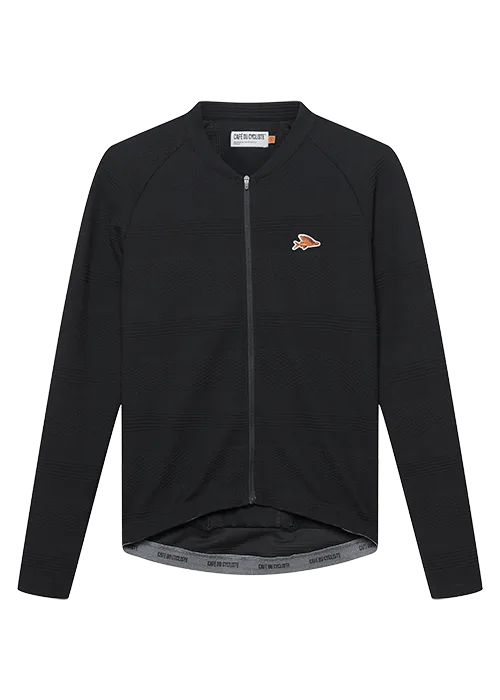
- Solange: solange-anthracite-clay-9fae45f035917e35e8d799eb-762227">solange-b-jls-solan2-m-nvbl-89fa1588f9ec4b663749f129-762225">solange-red-5fc234a872fe3d1eaf9e7317-762220">solange-navy-orange-1ff1b2677ba1f2edbaab903a-762215">Solange uses a recycled jacquard fabric with extra stretch for a closer fit, trapping air to provide insulation in cool weather. A closer fit reduces fabric movement against your skin, which can help limit the transfer of oils and bacteria that cause odor.
- Corinne: Corinne is made from a midweight blend ideal for fall and spring, with a textured fabric that increases airflow and improves temperature regulation. Better airflow helps moisture evaporate faster during and after your ride, reducing the damp environment where odor-causing bacteria thrive.
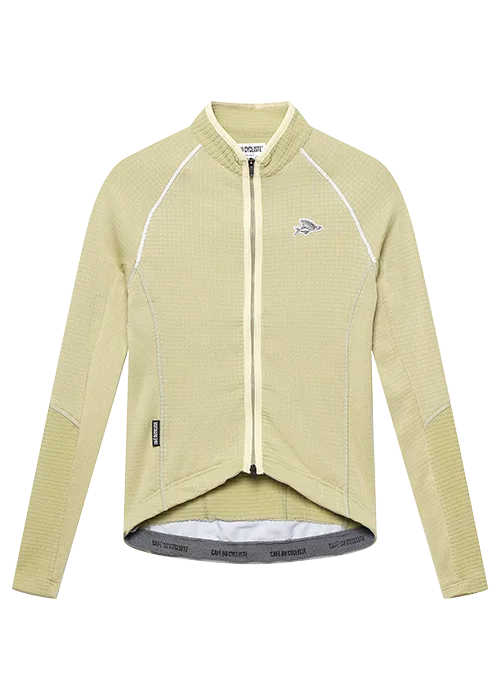
- Laure: Laure uses an Italian-milled fabric that is 94% recycled polyester with a waffle-textured air channel structure to shift moisture and excess heat. Moisture management is key to odor prevention; a fabric that moves sweat away from your skin dries faster and gives bacteria less time to multiply.