Quick Answer
Interchangeable lenses let you match lens tint and treatment to the exact light and conditions you're riding in, giving you more control than a single fixed lens. They're especially useful if you ride at different times of day or in changeable weather.
Why not just use one lens?
A single lens has to compromise between visibility in bright sun and in shade or overcast conditions. A dark lens that's great at noon becomes dangerous in a forested descent or under thick cloud. Interchangeable lenses let you carry two or three options and swap when the light changes.
That flexibility matters for cyclists because conditions can shift mid-ride—think of a morning start in low sun, a climb into cloud, or a finish on an exposed road. Instead of squinting or wishing you'd brought a different pair, you switch lenses in seconds.
Photochromic vs interchangeable: which is better?
Photochromic lenses automatically darken in bright light and lighten in low light, which is convenient if you don't want to stop and swap. But they can be slower to react in rapid temperature changes, and some riders find they don't get dark enough for full sun or light enough for deep shade.
Interchangeable lenses give you a guaranteed tint for a given condition. You know exactly what you're getting. The trade-off is that you have to carry spare lenses and take a moment to change them. Some riders prefer photochromic for convenience; others prefer interchangeable for predictability.
If you ride in consistently bright conditions, a single dark lens may be enough. If you ride in variable light or at dawn and dusk, interchangeable lenses give you more options.
Interchangeable Lens FAQ
When should I switch to a lighter lens?
Swap to a lighter or clear lens when light levels drop—early morning, late evening, overcast skies, or shaded roads. A lens that's too dark reduces visibility and increases eye strain. If you're unsure, carry a second lens and switch when you first notice yourself straining to see.
How do I know which lens tint to choose?
Dark tints (gray, green, or dark brown) suit bright sun. Orange or yellow tints boost contrast in low light and overcast conditions. Clear lenses are for night or very dark conditions. Match the tint to the dominant light you expect. Consider your most common riding time and conditions first, then add a spare for the opposite scenario.
How do I change lenses without scratching them?
Clean your hands and the lens edges first. Hold the frame by the bridge and nose area, not the lens. Gently flex the frame to release the lens, then insert the new one by aligning the bottom edge first. Avoid using tools or excessive force. Always store spare lenses in a protective case or pouch to prevent scratches when not in use.
A lens option worth considering
-
Le Col x Rudy Project Spinhawk Sunglasses: The Le Col x Rudy Project Spinhawk Performance Lifestyle Sunglasses feature Multilazer Orange or Ice Blue lenses with laser-etched Le Col logos. Choosing between these two lens colors lets you prioritize contrast and depth perception (Orange) or a cooler, more neutral view (Ice Blue) depending on your typical riding conditions.
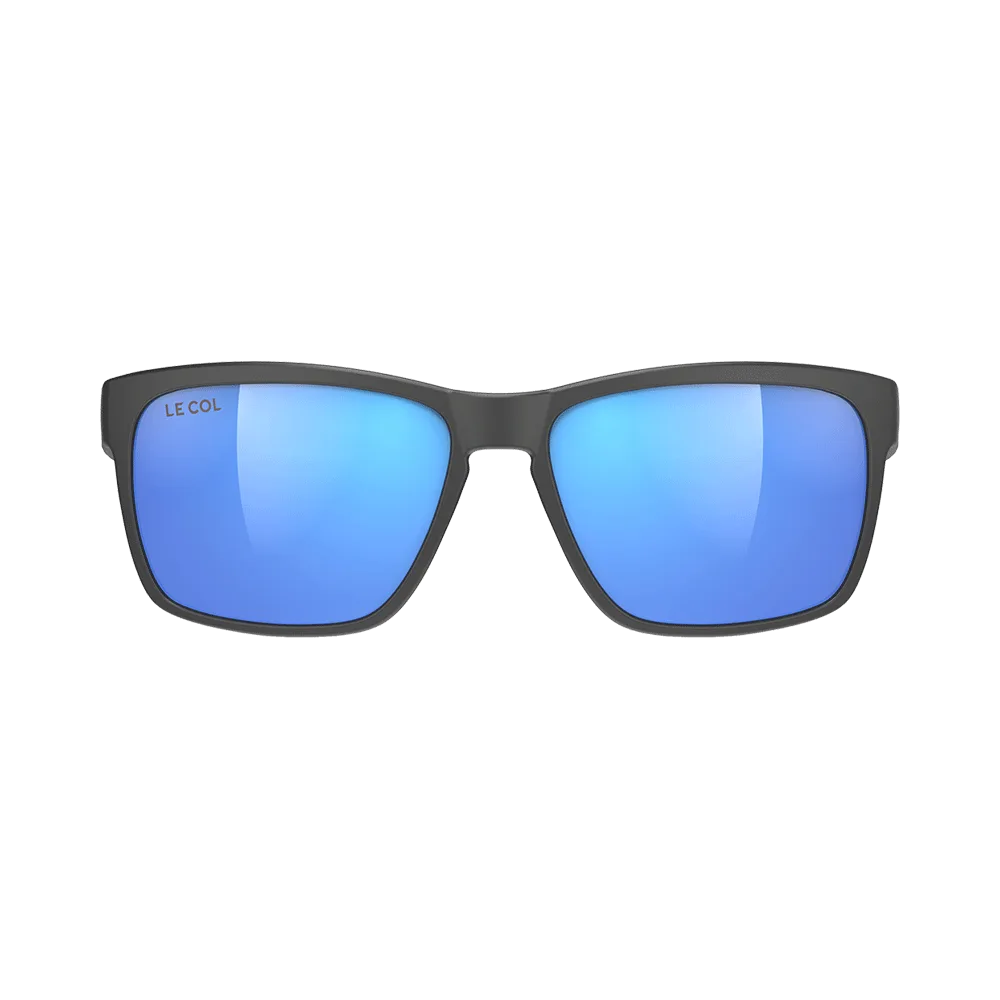
Le Col x Rudy Project Spinhawk Sunglasses