Quick answer
Most anime figure warping comes from heat and prolonged weight on a single pose. Move the figure out of sunlight and away from heaters first, then support or re-pose it. For mild PVC leaning, gentle warm-water or low-heat-hair-dryer softening followed by cooling in the corrected position usually straightens figure legs and thin parts. If the plastic has cracked, whitened at a stress point, or the joint has torn, stop and treat it as damage repair rather than reshaping.
Why PVC figures bend in the first place
PVC is a flexible plastic, which is exactly why figures can hold fine detail without shattering. The tradeoff is creep: under constant load, the material slowly deforms. A figure standing on one leg, a sword arm held out for years, or a base that does not sit flush all create continuous stress. Add warmth and the polymer chains slide more easily, so the bend accelerates. This is why a figure that looked straight on arrival can lean months later without anyone dropping it.
Heat sources you can actually control
Direct sun through a window is the worst offender because it combines radiant heat with UV, which also fades paint. Halogen and incandescent display lamps run hot even at a distance, and the top of a media console above a game console or router gets warmer than the rest of the room. Enclosed glass cabinets near a radiator trap that heat. If you can feel warmth on the back of your hand after holding it where the figure stands for a few seconds, that spot is too warm for long-term display.
- Move figures out of direct sun and off heat-generating electronics.
- Swap hot display bulbs for LED, which runs cool.
- Leave a gap between a cabinet and the wall so heat can escape.
How to straighten figure legs and thin parts safely
Work slowly and support the whole part, not just the tip. Warm water around 40-50°C (hand-hot, not scalding) is the gentlest method: dip the bent section for 20-30 seconds, bend it slightly past straight, then hold it under cool running water or in a bowl of cold water to set the new shape. A hair dryer on its lowest heat setting, kept moving 15-20 cm away, works for parts you cannot submerge. Never use boiling water or a heat gun; both can gloss the surface, blur paint, or soften joints enough to tear. After cooling, re-check the figure on its base before you walk away, because PVC can spring back a little.
Storage temperature and long-term prevention
Aim for a stable room temperature and avoid attics, garages, and cars, where summer peaks can exceed what PVC tolerates. Rapid temperature swings are as harmful as sustained warmth because the material expands and contracts. When storing figures, remove them from stress poses, wrap delicate parts in acid-free tissue or soft cloth, and lay heavy figures flat rather than standing them on one leg in a box. Rotate or re-pose displayed figures every few months so the same joint is not loaded year-round.
When to stop and choose another option
If a part has cracked, turned white at a bend, or a peg has snapped, heat will not fix it and can make the break worse. Those cases need adhesive repair or a replacement part, not reshaping. If the figure is a rare or valuable piece, practice the warm-water method on a cheap figure first, or leave it as-is rather than risk paint damage. And if the lean comes from a warped base rather than the figure, replace or shim the base instead of bending the figure to match it.
Diagnosis: match the symptom to the fix
- Slight forward lean, figure still stable: Usually creep from long-term load in a warm spot. Move it to a cooler, shaded shelf, then warm the leg or support with warm water and cool it straight. If it springs back within a week, the display spot is still too warm.
- Thin part bent, no visible crack: Heat damage or pressure from packing. Use hand-hot water or a low-heat hair dryer, bend slightly past straight, and cool under cold water. Stop if the surface turns glossy or paint lifts.
- Crack, white stress mark, or snapped peg: This is damage, not warping. Heat will worsen it. Repair with adhesive or source a replacement part instead of reshaping. Do not heat cracked parts.
- Figure leans but base looks warped: The base, not the figure, is the problem. Replace or shim the base rather than bending the figure to compensate. Check the base on a flat surface first.
Figures worth storing carefully
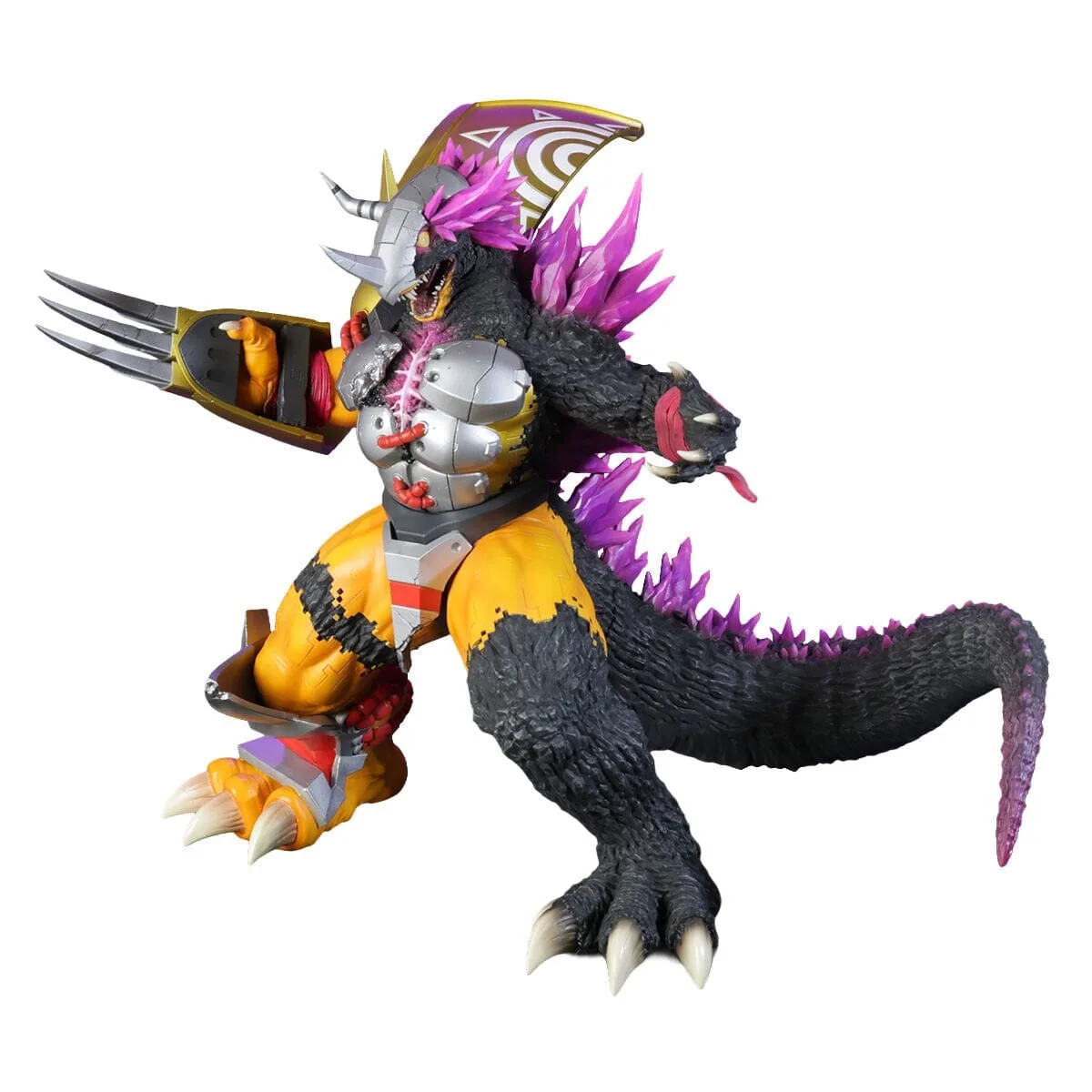
- WarGreymon Toho Daikaiju Series Figure -G Erosion Mode- Digimon x Godzilla 70th Edition Anniversary: WarGreymon Toho Daikaiju Series Figure -G Erosion Mode- Digimon x Godzilla 70th Edition Anniversary is about 26 cm tall and includes a tail wing and display base. At this size the figure carries more weight on its legs and base, so a level, stable shelf and periodic re-posing matter more than they do for small figures.
- Nejire Hado II (Ver. A) Glitter & Glamours Figure - My Hero Academia: Nejire Hado II (Ver. A) Glitter & Glamours Figure - My Hero Academia is a BANPRESTO prize figure about 21 cm tall. Prize figures use lighter PVC and are more prone to leaning in warm spots, so keep this one out of direct sun and off warm electronics.
- Nendoroid Surprise Figure - Frieren: Beyond Journey's End (6Pcs/BOX): Nendoroid Surprise Figure - Frieren: Beyond Journey's End (6Pcs/BOX) is a complete set from Good Smile Company with a lineup including Frieren, Himmel, Fern, Stark, and Aura. Small parts and multiple figures in one box are easy to store badly; keep them out of hot cars and lay them flat rather than piling them.