Quick answer
Prewalker shoes protect your baby's feet and provide grip when they start pulling up and cruising. They're not for walking outdoors—barefoot or soft-soled shoes are best for developing feet. Choose prewalker shoes with flexible soles and a roomy toe box for healthy foot development.
As your baby starts to pull up and take those wobbly first steps, you might wonder: do they really need shoes? The answer is yes, but not for the reasons you might think. Prewalker shoes aren't for walking—they protect little feet and provide grip on slippery floors.
In this guide, we'll break down the benefits of prewalker shoes, when to use them, and how to choose the right pair. We'll also look at some great options from Wheat that balance protection with natural foot development.
What Are Prewalker Shoes?
Prewalker shoes are designed for babies who are not yet walking independently—crawling, pulling up, and cruising. Unlike toddler shoes, they have soft, flexible soles that allow natural foot movement and grip. They often feature closed toes for protection and adjustable closures for a secure fit.
The key difference from regular shoes is flexibility. Prewalker shoes should mimic barefoot conditions as much as possible, allowing the foot to bend and flex naturally. This supports muscle development and balance.
- Look for soft, flexible soles that you can bend easily.
- Choose breathable materials like leather or cotton.
- Ensure a wide toe box so toes can spread.
Benefits of Prewalker Shoes
Prewalker shoes offer several benefits for your baby's foot development. They protect feet from rough surfaces, sharp objects, and temperature changes. They also provide grip on slippery floors, reducing the risk of falls as your baby practices standing and walking.
Additionally, prewalker shoes can help keep socks on and keep feet warm in cooler weather. They also signal to your baby that it's time to move, encouraging them to practice standing and stepping.
- Protection from hazards and cold floors.
- Better grip on smooth surfaces.
- Support for early standing and cruising.
Prewalkers vs. Barefoot
Many pediatricians recommend letting babies go barefoot as much as possible to strengthen foot muscles and improve balance. Barefoot walking on safe, clean surfaces is ideal for foot development. However, when your baby is on the move in environments where barefoot isn't practical or safe, prewalker shoes are the next best thing.
The key is to choose prewalker shoes that are as close to barefoot as possible: flexible, lightweight, and with minimal sole thickness. Avoid stiff or high-top shoes that restrict ankle movement.
- Allow barefoot time at home on safe floors.
- Use prewalker shoes for outings or when protection is needed.
- Avoid shoes with thick, rigid soles for early walkers.
How to Choose the Right Prewalker Shoes
When shopping for prewalker shoes, focus on fit and flexibility. The shoe should be snug but not tight, with about a thumb's width of space at the toe. Look for adjustable closures like Velcro to ensure a secure fit as your baby's feet grow.
Material matters: breathable, natural materials like leather are ideal. Check that the sole is non-slip and flexible. Also, consider ease of putting on and taking off—Velcro straps or elastic details make life easier for both you and your baby.
- Measure your baby's feet regularly—they grow quickly.
- Choose shoes with a flexible sole that you can bend easily.
- Opt for breathable, natural materials like leather.
Diagnosis: Is Your Baby Ready for Prewalker Shoes?
- Symptom: Your baby is pulling up to stand, cruising along furniture, or taking first steps with support. This is the typical stage for prewalker shoes.
- Likely cause: Feet need protection and grip as your baby becomes more mobile, but they also need freedom to develop naturally. Barefoot is still best when safe, but shoes become practical for outings.
- Corrective action: Choose flexible, soft-soled prewalker shoes with a wide toe box and secure closure. Use them for outdoor walks or rough surfaces, and allow barefoot time indoors. Prioritize flexibility and fit over style.
- When to stop or choose another option: Once your baby is walking confidently on their own, transition to first walking shoes with slightly sturdier soles. If you notice any foot issues, consult a pediatric podiatrist. Prewalker shoes are a temporary tool, not a long-term solution.
Wheat Prewalker Shoes to Consider
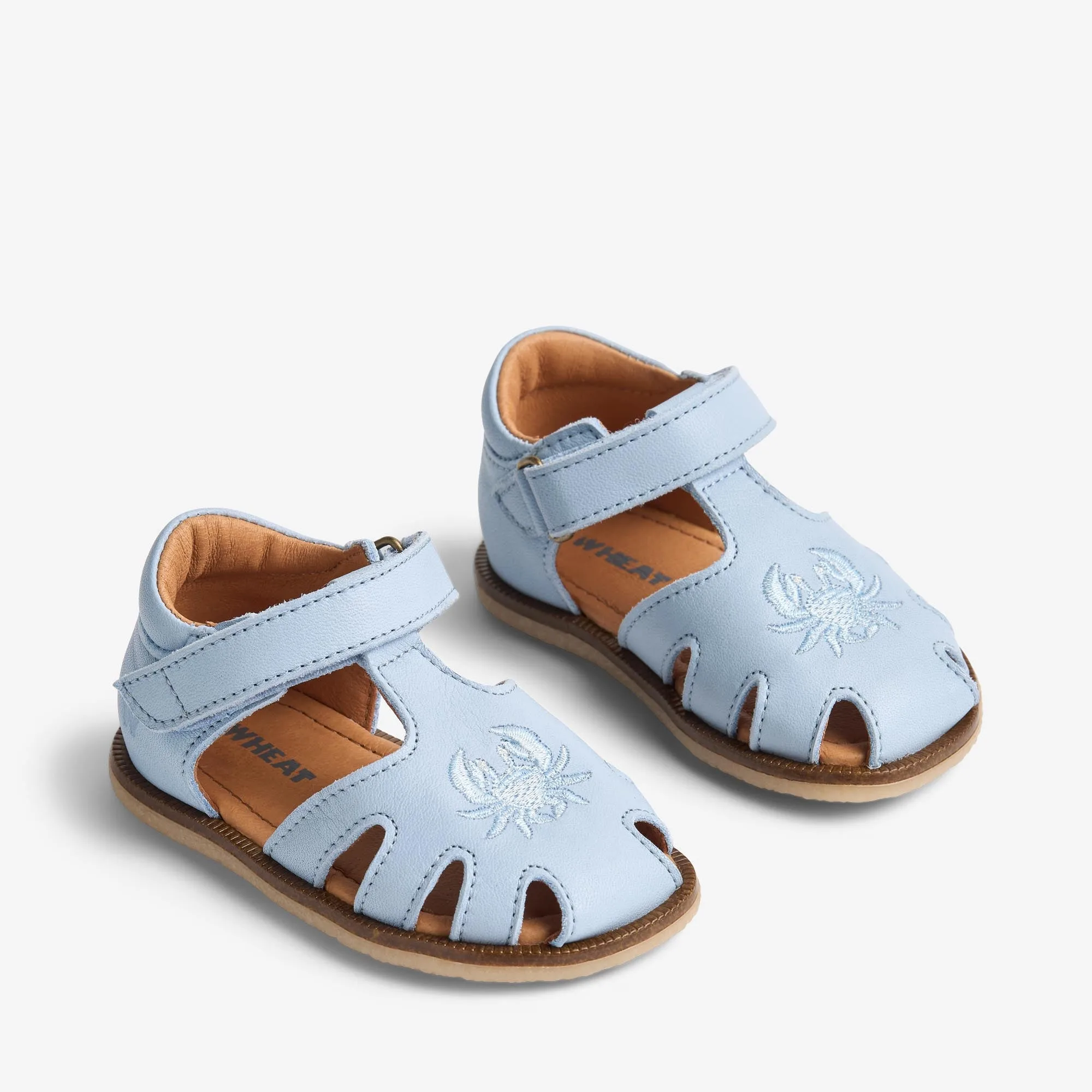
- Sandal Lowe - faded denim: Søde prewalker-sandaler med broderi og praktisk velcrolukning. Lukket hæl og tå, LWG-certificeret læder, krom- og metalfrit læderfor, produceret i Portugal. The closed toe and heel offer protection while the Velcro strap ensures a secure fit. LWG-certified leather and chrome-free lining are gentle on sensitive skin.
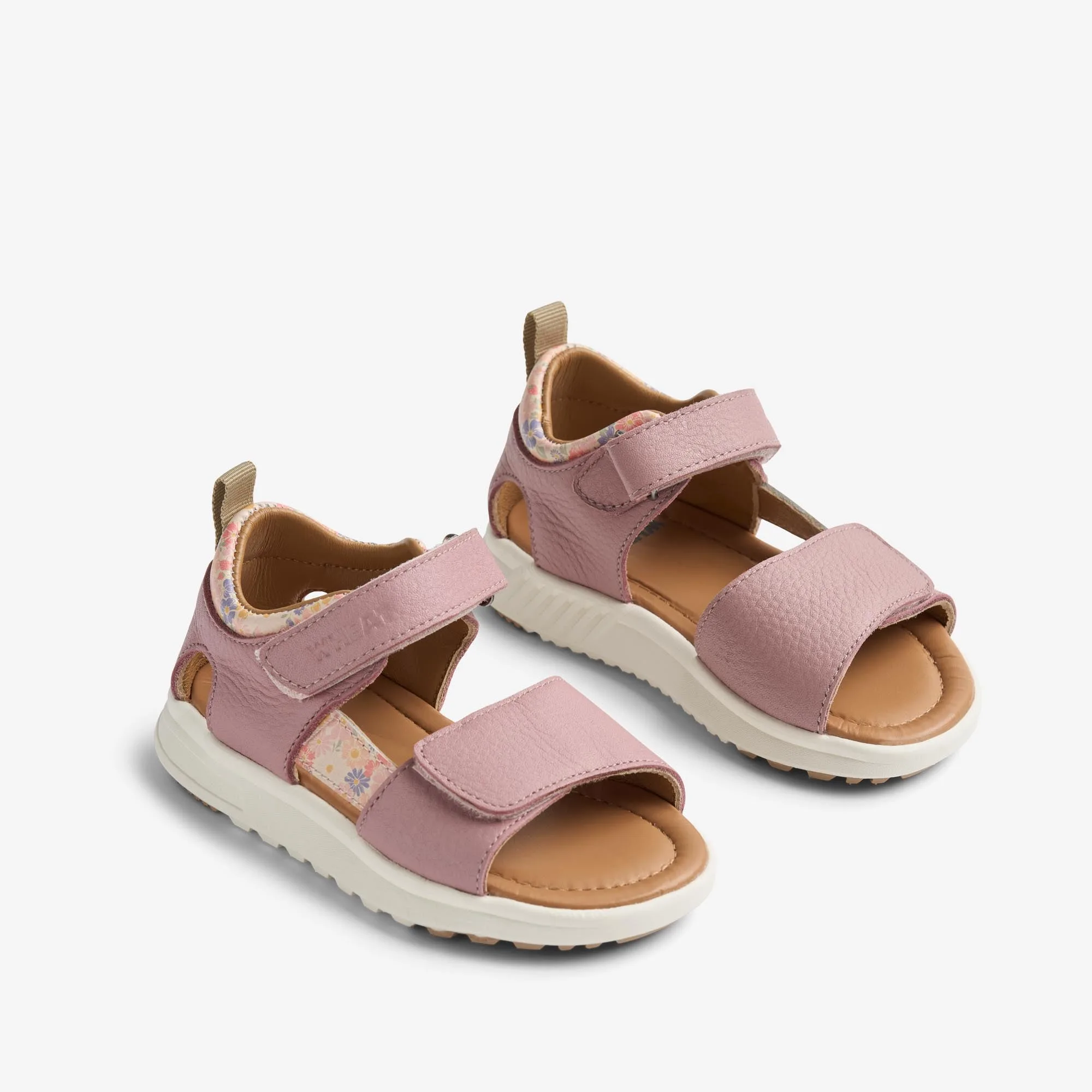
- Sandal Maxie - rose frost: Sporty sandal med print og velcrolukning. Letvægtssandal, smidig og fleksibel, lukket hæl og åben tå, LWG-certificeret læder, EV letvægtsmellemsål, gummisål. Two adjustable Velcro straps make it easy for toddlers to put on themselves. The flexible EV midsole and rubber outsole provide comfort and durability.
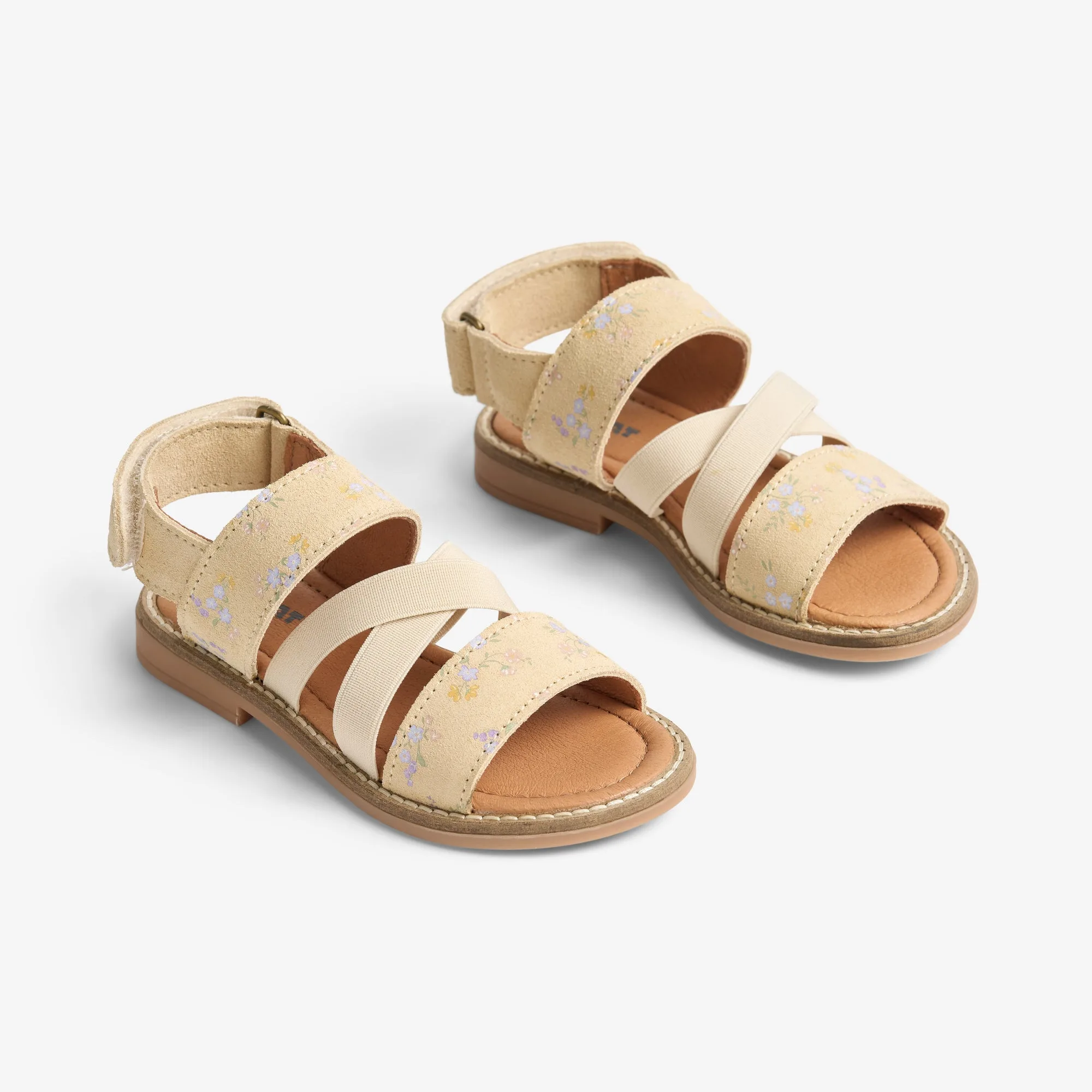
- Sandal Yuri - barely apricot flowers: Elegant ruskindssandal med elastiske detaljer. Justerbar velcrostrop, åben tå og hæl, unikke elastikdetaljer, håndlavet i Portugal, ruskind med signaturprint. Open toe and heel offer a light, airy feel, while elastic details improve fit and comfort. Handmade suede adds a touch of elegance for special occasions.
Prewalker shoes play a supportive role in your baby's foot development, offering protection and grip without hindering natural movement. By choosing flexible, well-fitted options like those from Wheat, you can help your little one take those first steps with confidence. Remember, barefoot time is still valuable—use prewalker shoes when they serve a purpose, and enjoy watching your baby explore the world one step at a time.