Quick answer
Coasters leave marks mainly due to trapped moisture, abrasive debris, or chemical reactions between the coaster material and your table's finish. The fix depends on the type of mark and the coaster you use.
Why moisture is the main culprit
Condensation from a cold drink soaks into porous coasters like paper or untreated cork. When that moisture sits against the table, it can lift the finish or leave a white ring. Even non-porous coasters can trap water underneath if they have a flat, unvented surface.
The problem is worse with unsealed wood or painted tables. The water reacts with the finish, creating a cloudy or dark stain that appears after the coaster is removed.
Abrasive debris and chemical reactions
Dust, crumbs, or rough edges on a coaster can scratch the table's surface. Over time, these tiny scratches collect dirt and look like dark marks. Additionally, some coaster materials—especially those with metallic inks or certain dyes—can chemically react with lacquer or varnish, leaving a permanent stain.
Paper napkins used as coasters can also cause issues. While they absorb moisture, their fibers can stick to a wet table and leave a residue that looks like a mark.
Diagnose and fix coaster marks
- Symptom: White or cloudy ring on the table after removing a coaster.
- Likely cause: Moisture trapped between the coaster and the table's finish. This is common with porous coasters or when condensation drips off the glass onto the coaster's surface.
- Corrective action: Gently rub the mark with a mixture of equal parts white vinegar and olive oil on a soft cloth, following the wood grain. For stubborn rings, try a dab of non-gel toothpaste on a damp cloth and rub gently. Wipe clean and buff dry. If the mark is dark or black, the finish may be damaged. Stop home remedies and consult a furniture refinisher.
- Stop or choose another option: If the mark does not fade after two gentle attempts, do not scrub harder. You may be removing the finish. Switch to using coasters with a raised or textured bottom that allows air circulation, or use absorbent paper napkins like FILTHY RICH to prevent future moisture buildup. Consider testing any new coaster on an inconspicuous area of your table before regular use.
Product that helps
-
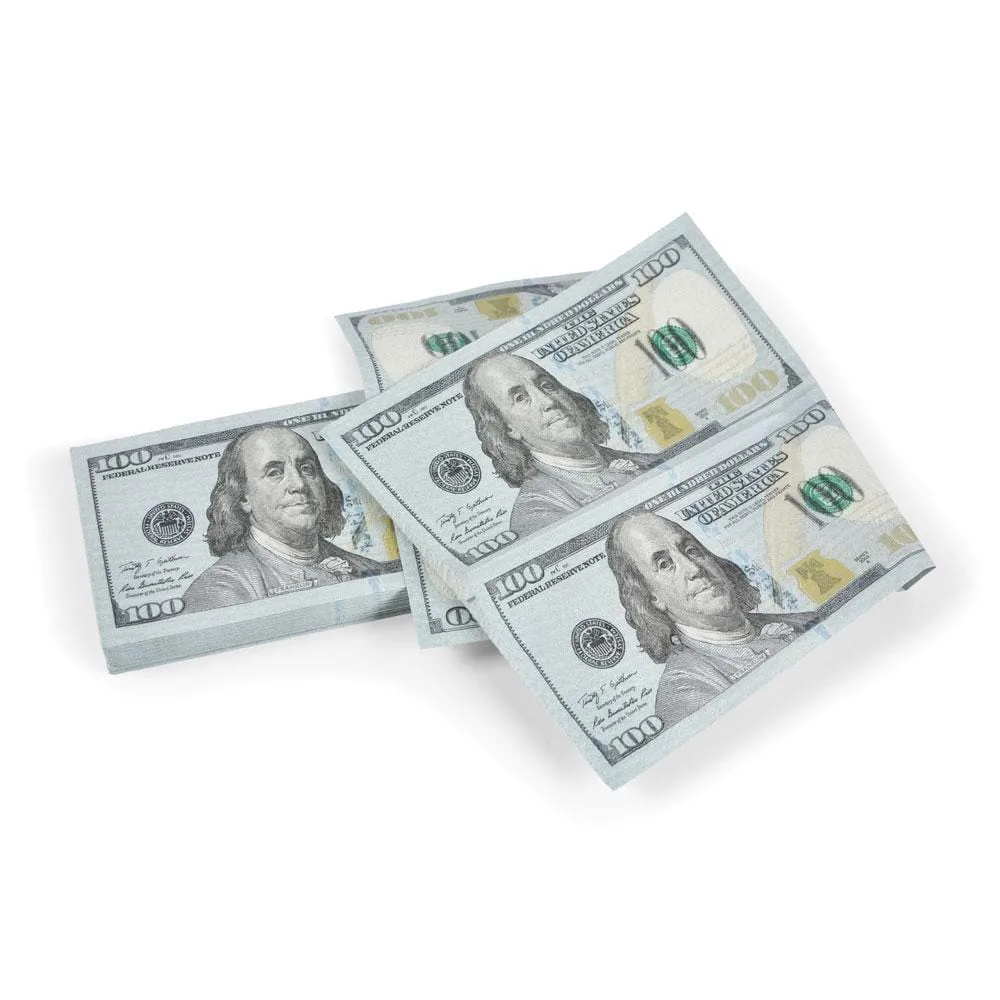
FILTHY RICH: These high-quality, highfalutin napkins are chlorine-free, unbleached paper. Unbleached paper reduces the risk of dye transfer onto your table, and the absorbent nature of these cocktail napkins helps wick condensation away before it can pool and cause a ring.
FILTHY RICH