Quick answer
Limited edition collectibles sell out fast because the number made is fixed before the drop, often in the hundreds or low thousands, while the audience is global and can buy in seconds. When demand outruns that fixed supply, the run sells through and the resale market sets a higher price. If you want a piece, treat the drop time as the real deadline, not the listed release date.
release
What actually makes a limited run sell out?
A limited run is a fixed production quantity decided in advance. Once that number is made, no more are produced in that exact form. That single constraint does most of the work: a run of 1,000 pieces can be absorbed by a fanbase that numbers in the millions, and online checkout means buyers worldwide compete at the same moment.
Scarcity also creates urgency. Collectors who missed a previous drop learn to buy first and decide later, which pulls demand forward into the first minutes. That is why a piece can appear sold out while most fans are still reading the product page.
The practical implication is simple: the release date matters less than the drop time. Set a reminder, have your account and payment details ready, and know which edition you actually want before the clock starts.
Why do some editions vanish faster than others?
Two variables decide how fast an edition disappears: the size of the run and how many distinct buyer groups want it. A smaller run with a crossover audience, such as a figure tied to a cult animated series plus a broader nostalgia crowd, will clear faster than a larger run aimed at one niche.
Exclusive extras also concentrate demand. When a set includes accessories or characters only available in that edition, completionists cannot substitute a standard version, so they all target the same listing. That is a design choice, not an accident, and it is the core of most collectible release strategy.
Variants behave the same way. A glow or color variant of an existing sculpt can sell through quickly even when the standard version is still available, because variant collectors treat it as a separate, smaller target.
How does the resale market fit in?
Resale prices rise when the primary run is gone and new buyers still want in. The gap between the original catalog price and the aftermarket price is not a guarantee of value, but it does explain why flippers participate: a fast sellout creates immediate scarcity, and scarcity creates a secondary market.
That market cuts both ways. If a run turns out to be larger than expected, or if the property loses momentum, resale prices can sit near or below the original price. Limited does not automatically mean valuable; it means fixed.
A useful habit is to compare the catalog comparison price with the current asking price before you buy on resale. If the premium is large, you are paying for impatience, not for the item's materials.
How should you prepare for a drop you actually want?
Decide your maximum price and your must-have edition before the drop, then act at the listed time. Waiting for reviews or unboxings usually means paying resale later, because review cycles run slower than sellouts.
Check what is included and whether the piece is numbered or restricted. A stated unit count tells you how hard the item will be to find afterward, and a hand-numbered edition gives you a concrete way to verify what you own.
If you miss the primary drop, give the resale market a few weeks to settle. Early listings often carry panic pricing that softens once the first wave of buyers is satisfied.
FAQ: limited runs and collectible drops
Why do collectibles sell out in seconds?
Fixed supply meets a global, always-online audience. When a run is capped at a few hundred or a few thousand, there is no mechanism to absorb everyone who wants one at the same moment. Treat the drop time as the deadline, not the release date.
Does a limited edition guarantee resale value?
No. A limited run only means the quantity is fixed. Resale prices depend on continued demand, and they can fall if the run is larger than buyers assumed or interest cools. Compare the original catalog price with the current resale ask before paying a premium.
What does hand numbered actually tell you?
It confirms the piece belongs to a counted edition, which helps you verify authenticity and understand how many exist. It does not tell you how many were kept, damaged, or opened. Use the stated edition size as your scarcity benchmark.
Should you buy a variant or wait for the standard version?
Variants with unique accessories or finishes often sell through faster because they cannot be swapped for the standard release. If you want the variant, buy at the drop; if you are flexible, the standard version usually stays available longer. Choose the edition before the drop, not during checkout.
Product facts
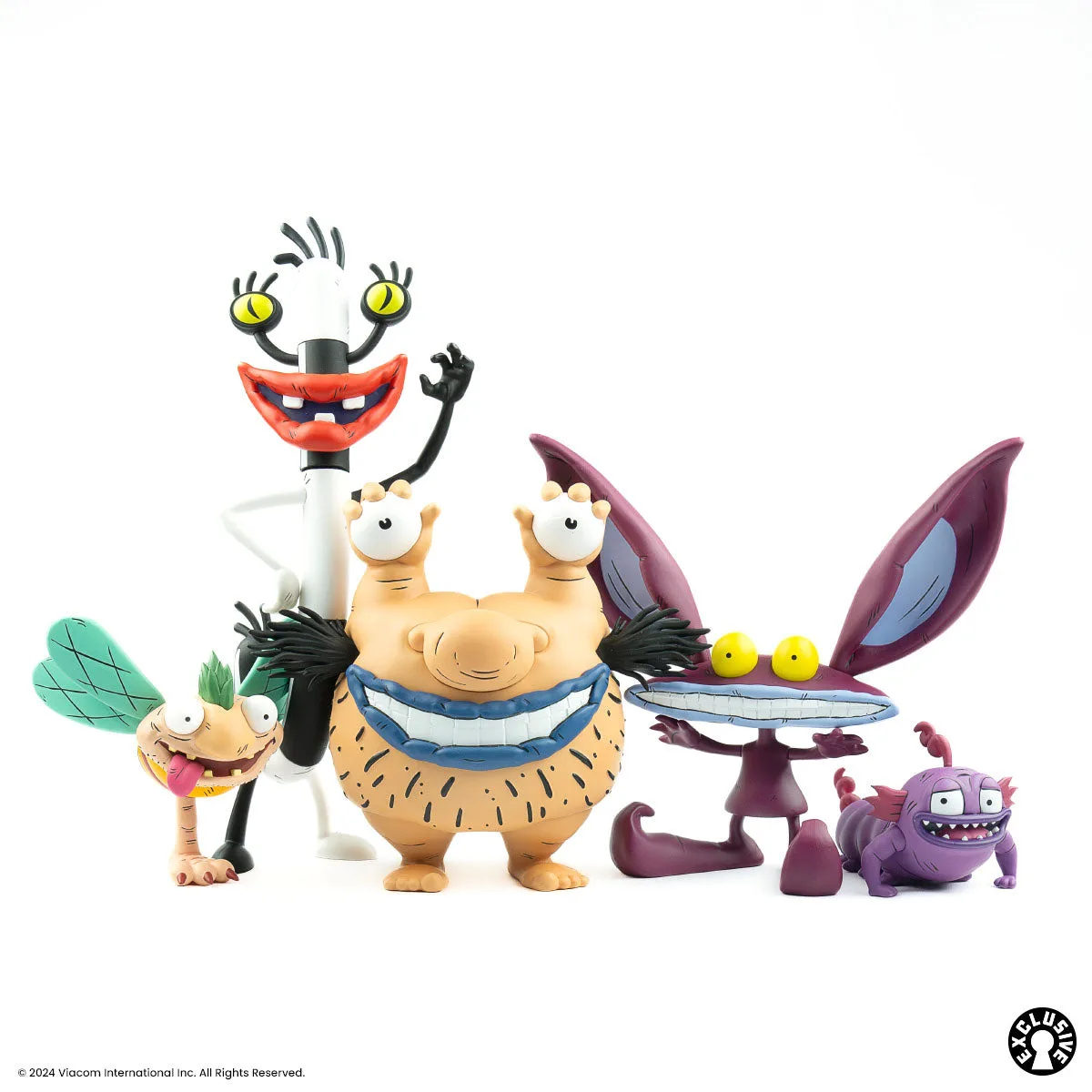
- Aaahh!! Real Monsters 3 Figure Set - Exclusive: Restricted to 1000 units, this Exclusive Edition includes special extras like Bonsty, Zimbo and the Open Mouth. A stated 1,000-unit cap plus edition-only extras means completionists have no substitute, which is exactly the combination that clears a run quickly.
- Teenage Mutant Ninja Turtles - Slash Soft Vinyl Figure - Mutagen Glow Variant: Inspired by the mutagen that created heroes, villains, and everything in between, this new Slash Variant comes with Mutant Mace, psycho-407213">psycho-407212">Psycho Sai, Nasty Nunchuku, and Razor-Spiked Gnarly Knife, which can be wielded or holstered. A variant with multiple display options appeals to both variant collectors and display-focused buyers, widening demand beyond the standard sculpt.
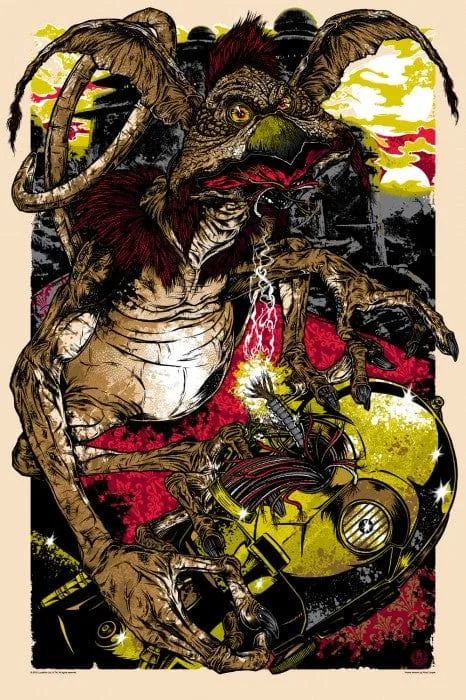
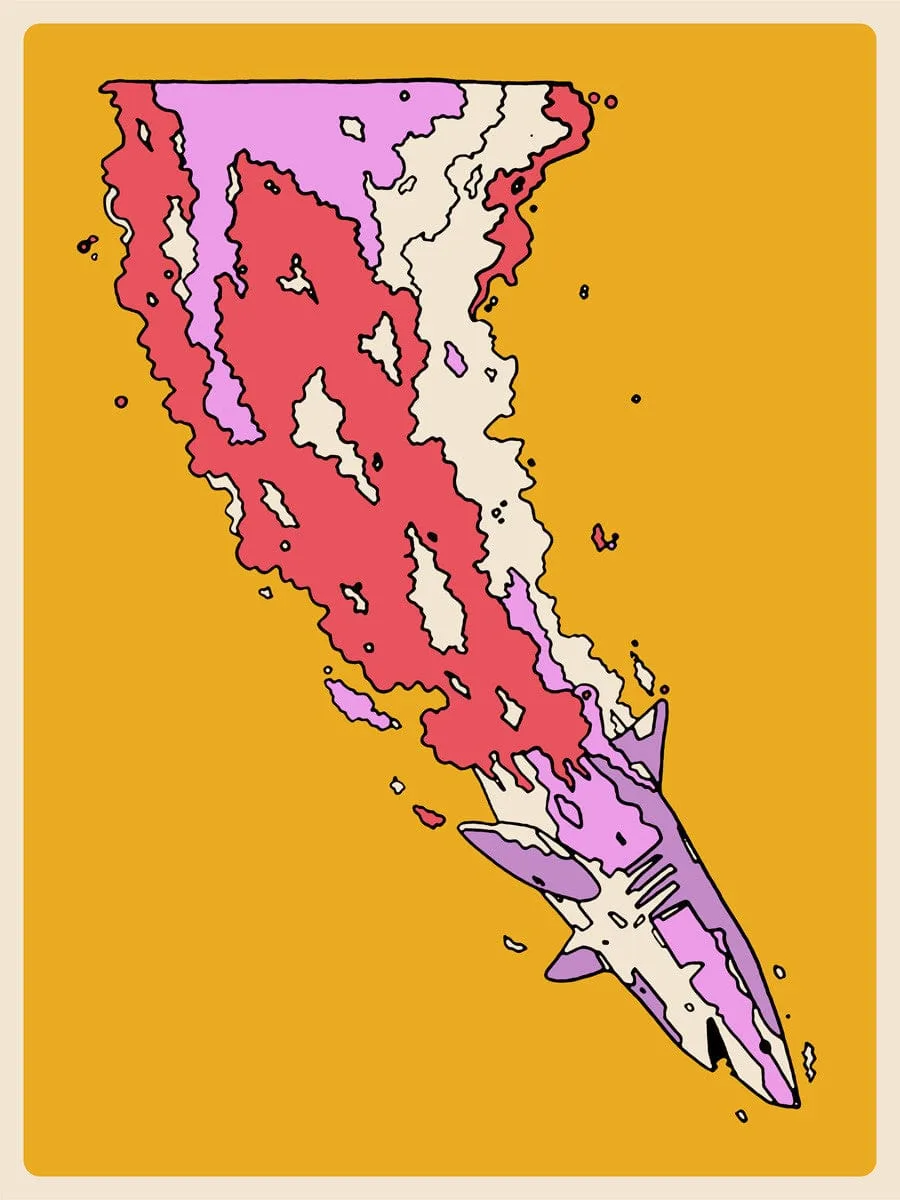
- Salacious B. Crumb: 24" x 36" screen print with metallic inks, hand numbered, limited edition of 325, featuring artwork by Rhys Cooper. A hand-numbered run of 325 is small enough that the primary market can disappear fast, and the numbering gives buyers a clear way to confirm the edition later.