Quick Answer
Hair ties snap when they're overstretched, worn past their lifespan, or made from low-quality elastic. To avoid breakage, choose ties with a strong, flexible core, rotate them regularly, and store them properly. For thick or curly hair, look for options designed to hold more hair without straining the elastic.
Few things are more annoying than reaching for a hair tie only to have it snap in your hands—or worse, in the middle of your ponytail. If you're constantly going through packs of elastics, you're not alone. The good news is that snapping is rarely random; it usually comes down to a few fixable causes.
In this guide, we'll walk through the most common reasons hair ties break, how to tell when a tie is past its prime, and what to look for when buying durable replacements that work for most hair types.
Common Causes of Hair Tie Snapping
Overstretching is the #1 culprit. Wrapping a hair tie around your ponytail more than two or three times puts constant tension on the elastic. Over time, the fibers lose their stretch and become brittle, especially if you pull the tie tight to secure thick or heavy hair.
Material quality matters too. Many cheap ties use low-grade elastic that degrades quickly, especially when exposed to heat, humidity, or hair products. If your ties feel stiff or show visible creases, they're likely nearing the end of their life.
Another overlooked cause is using the wrong size for your hair. A tie that's too small for thick or long hair has to stretch far beyond its intended range, which accelerates wear. Conversely, a tie that's too loose may tempt you to wrap it extra times, also causing stress.
- Rotate your hair ties—don't use the same one every day.
- Avoid pulling ties off your wrist; this stretches them unnecessarily.
- Store ties in a cool, dry place away from direct sunlight.
How to Tell When a Hair Tie Is About to Snap
Before a hair tie snaps, it usually gives warning signs. Check for visible thinning, fraying, or a loss of elasticity—if it feels loose even when wrapped tightly, the elastic has likely weakened. Another red flag is when the tie leaves deep creases or takes longer to spring back after removal.
If you notice any of these signs, it's time to retire that tie. Continuing to use a worn tie not only risks snapping but can also pull and damage your hair. Keep a few fresh ties on hand so you're never tempted to push a dying one too far.
Choosing Durable Hair Ties for Most Hair Types
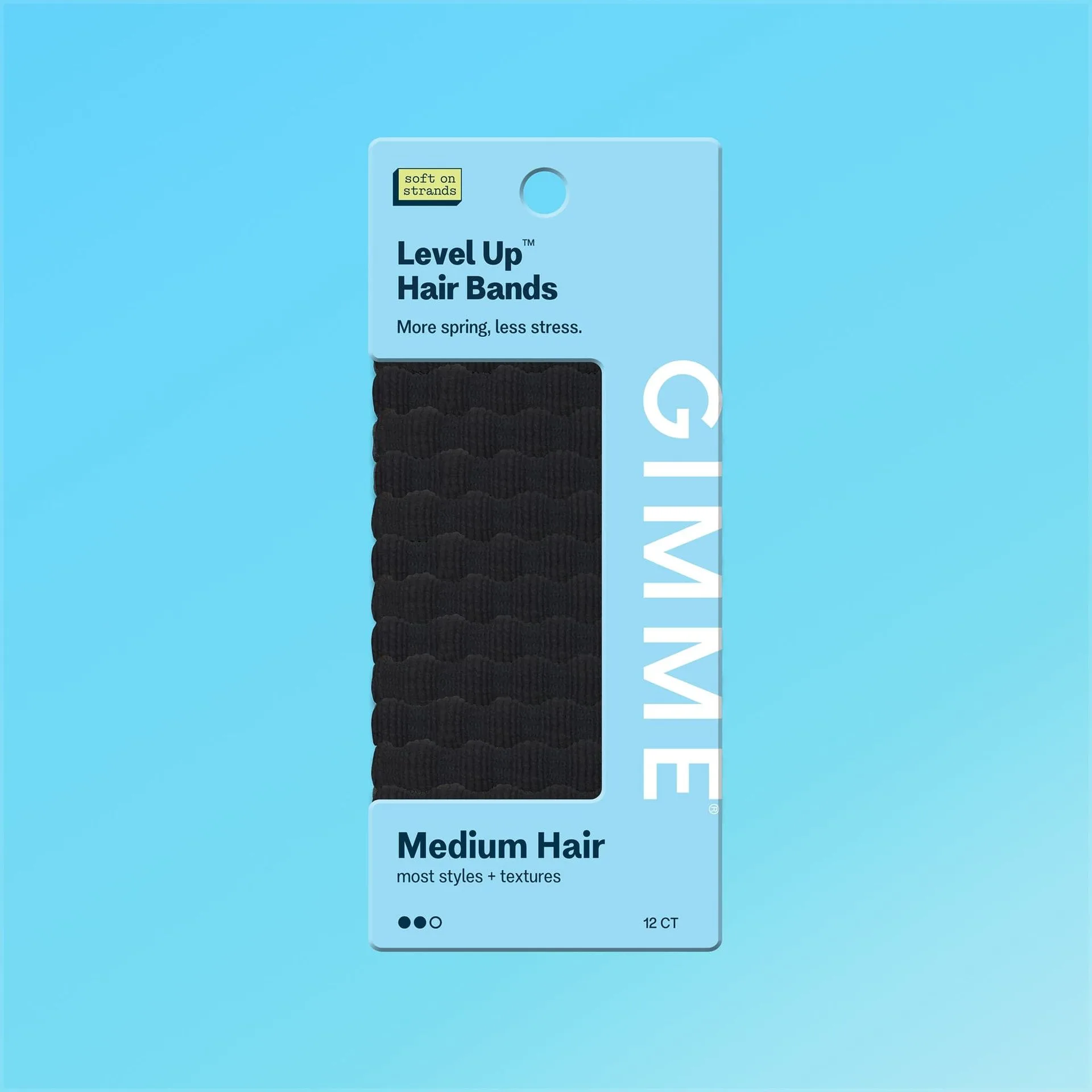
When shopping for hair ties, look for materials that offer both strength and flexibility. Ties with a fabric covering, like satin or silk, tend to be gentler on hair and less likely to snap because the fabric reduces friction and distributes tension more evenly.
For thick or curly hair, consider ties with a wider band or a spiral design—they hold more hair without needing to be wrapped as tightly, which reduces strain on the elastic. Also check the construction: ties with a seamless loop are less likely to have weak points than those with glued or sewn seams.
Finally, pay attention to the size. A tie that fits your hair comfortably without overstretching is more likely to last. If you have very thick hair, look for ties marketed as 'for thick hair' or 'for most hair types'—they're usually designed with a larger circumference and stronger elastic.
- Test a tie by stretching it gently—if it doesn't spring back quickly, it's too weak.
- Buy multipacks so you can rotate ties and extend their lifespan.
- Avoid ties with metal or plastic parts that can snag and weaken the elastic.
Diagnosing Your Hair Tie Problem
- Symptom: Ties snap when you stretch them to wrap around your ponytail: This usually means the elastic has lost its flexibility due to overstretching or age. Replace with a fresh tie and avoid wrapping more than three times.
- Symptom: Ties break in the middle of the day, not when you're putting them in: Often caused by micro-tears from repeated use or exposure to hair products that degrade the elastic. Rotate your ties and store them away from heat and humidity.
- Symptom: Ties snap only when you have thick or heavy hair: Your hair may be too heavy for the tie's strength. You need a tie with a stronger elastic or a larger circumference. Look for ties designed for thick hair, or consider claw clips as an alternative.
- Symptom: You've tried multiple brands and they all break quickly: The problem might be your storage or usage habits, not the tie quality. If you consistently stretch ties off your wrist or leave them in direct sunlight, adjust those habits before buying new ones.
Hair Ties That Last: What to Look For
- Dream Curl Essentials Bundle For Most Hair Types: This bundle is designed to support curl care for most hair types and includes a curated selection of essentials to help define and enhance natural curls. If you have curly hair, a dedicated curl-care set can reduce the need for tight, pulling ties—less tension on your hair means less stress on your elastics, too.
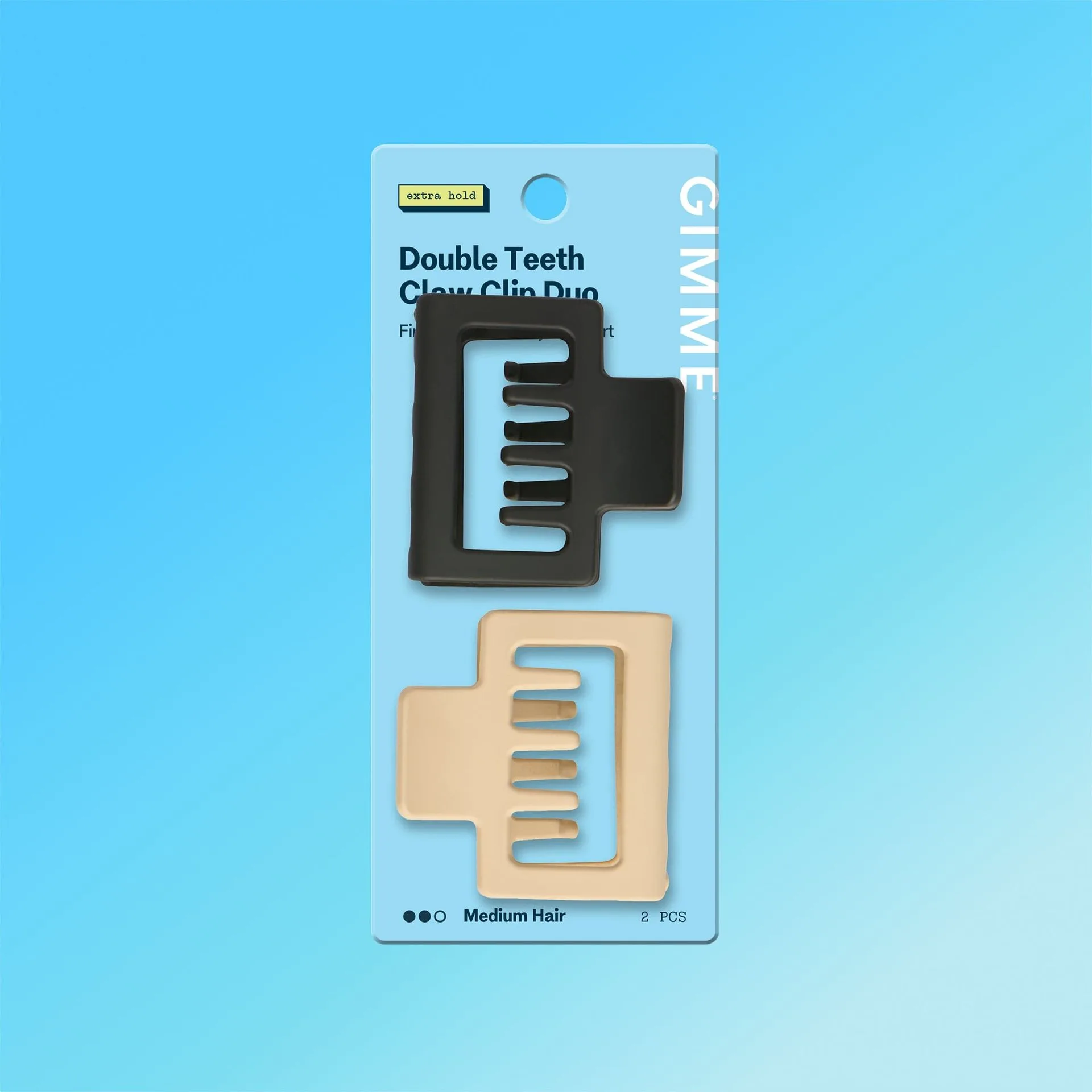
- Locked In Rectangle Claw Clips For Most Hair Types: This claw clip delivers a firm, all-day hold with a durable, high-tension spring, keeping hair securely in place without pulling or tension. For days when you want a break from hair ties, a claw clip can give your hair a rest and prevent the overstretching that leads to snapping.
Hair ties snap for a reason—usually because they're overstretched, worn out, or not suited to your hair type. By choosing ties made from strong, flexible materials, rotating them regularly, and giving your hair a break with accessories like claw clips, you can cut down on breakage and make your hair ties last longer. If you've tried everything and still go through ties quickly, it may be time to upgrade to a more durable option designed for your hair's needs.