Quick Answer
Sclera lenses feel dry because they cover a larger surface area, which can reduce oxygen flow and disrupt your tear film. Start by using preservative-free rewetting drops approved for contacts, and if dryness persists, remove the lenses and give your eyes a break.
Why Sclera Lenses Dry Out Faster
Sclera lenses are larger than standard circle lenses, resting on the white part of your eye (the sclera). This larger coverage can interfere with the natural spread of your tear film, leading to quicker evaporation and a dry, gritty feeling. Additionally, the material of the lens may have lower oxygen permeability, which can contribute to discomfort over time.
Your environment plays a big role too. Air conditioning, wind, and screen time all reduce blink rate and increase tear evaporation. If you already have mild dry eye, the added surface area of a sclera lens can make symptoms more noticeable.
Quick Fixes for Immediate Relief
The first step is to use rewetting drops that are safe for contact lenses. Look for preservative-free options, as preservatives can irritate your eyes further. Apply a drop before you feel dryness, not after, to keep the lens surface lubricated.
Blink more deliberately, especially when staring at screens. Every 20 minutes, look away and blink fully several times to spread moisture. If you're in a dry environment, consider using a humidifier or taking breaks from air vents.
Long-Term Care and Prevention
Proper cleaning and storage are essential. Always use fresh contact lens solution, never water or saliva. Rub and rinse your lenses after each wear to remove protein deposits that can make the surface feel dry and uncomfortable.
Replace your lenses on schedule. Sclera lenses are often yearly disposables, but if you notice persistent dryness, your eyes may be telling you it's time for a new pair. Also, give your eyes a break from lenses at least one day a week to let your tear film recover.
Diagnosis: Is It Dryness or Something Else?
- Symptom: Mild dryness or grittiness: This is often caused by tear film disruption or environmental factors. Try rewetting drops and blink exercises first.
- Symptom: Persistent dryness after rewetting: Could indicate lens deposits, poor fit, or an underlying dry eye condition. Clean your lenses thoroughly and consider a break. If it persists, see an eye care professional.
- Symptom: Pain, redness, or blurred vision: These are warning signs of a more serious issue like corneal hypoxia or infection. Remove lenses immediately and consult an eye doctor. Do not reinsert until cleared.
Lens Options That May Help
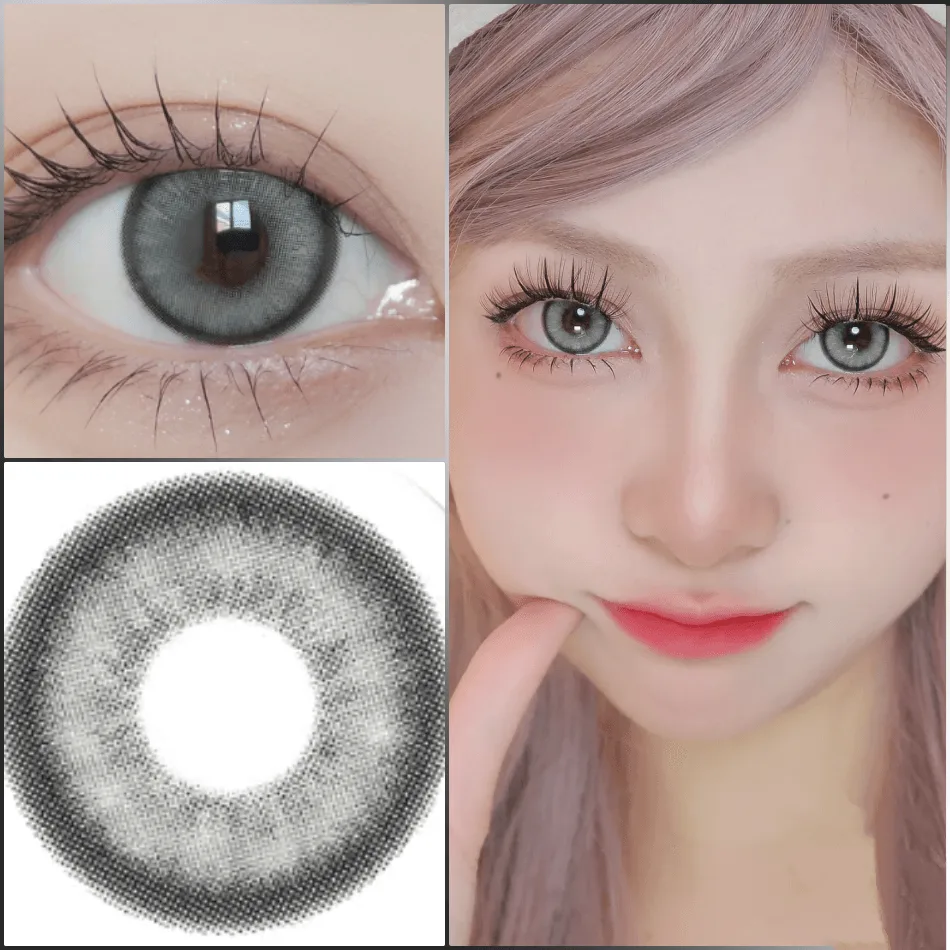
- Tipsy Gray (FD20): Tipsy Gray (FD20) circle lenses from Chusme offer a subtle gray enhancement with a natural-looking finish. Designed for comfortable wear, these lenses are a dependable choice for everyday use. 14.5mm diameter for a noticeable yet tasteful enlargement effect. 40% water content helps maintain moisture throughout the day. If you're not set on sclera lenses, this smaller 14.5mm option with 40% water content may be more comfortable for everyday wear and less likely to cause dryness.
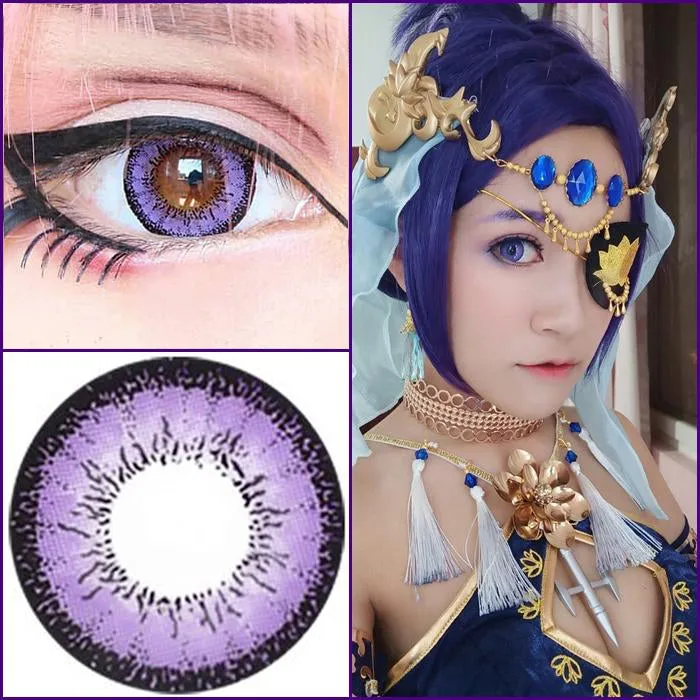
- I-Codi Dolly+ Violet: I-Codi Dolly+ Violet circle lenses feature a striking violet color, perfect for adding a playful or cosplay-inspired touch. With a large 16.0mm diameter, they create a noticeable enlargement effect. Water content: 45%. If you love the dramatic look but struggle with dryness, this 16.0mm lens with higher water content might be a better balance between style and comfort.