Quick Answer
Socks fall down primarily because the elastic has worn out, the sock is the wrong size for your calf or foot, or the cuff is too short to grip your leg. The fastest fix is to choose socks with a higher leg length and a snug but not tight fit—https://cdlpmiy.com/products/mens-mid-length-bamboo-socks-black-ca394baced91f88cfdf9bd93-1501474mid length socks often solve the problem because they have more fabric to anchor against your calf.
The Real Reasons Your Socks Slip Down
Elastic fatigue is the most common culprit. Over time, the spandex or rubber in the sock cuff loses its grip, especially after repeated washing and drying with heat. If your socks are otherwise in good condition but the top band feels loose, the elastic has given out.
Sizing mismatch also plays a big role. A sock that fits your foot well may be too wide or too narrow for your calf. If the sock is too big around the leg, it can't create enough friction to stay up. Conversely, a too-tight sock can roll down as you move.
Cuff height matters more than most people realize. Ankle socks and no-show socks have very little fabric above the heel, so they have almost no surface area to grip your leg. Mid length socks (sometimes called crew or quarter length) extend higher up the calf, giving the elastic band more leverage and reducing the chance of slipping.
Simple Fixes You Can Try Right Now
If you want to extend the life of socks that are starting to slip, try washing them in cold water and air drying them. Heat from dryers accelerates elastic breakdown. For a temporary grip boost, you can fold the top band down once to create a double layer of fabric against your leg.
Another quick trick is to switch to a sock with a higher leg length. Mid length socks sit above the ankle bone and typically stay put because they have more fabric to anchor against the calf. They also prevent the sock from being pulled down by the back of your shoe.
If you consistently have this issue with every pair, consider whether your socks are the correct size. Many brands offer size ranges (S/M, L/XL) that correspond to both foot length and calf circumference. Choosing the smaller range if you are on the borderline can improve grip without discomfort.
When It's Time to Replace Your Socks
If the elastic band is visibly stretched, wrinkled, or no longer snaps back after washing, the sock has reached the end of its useful life. No amount of folding or washing will restore the grip. At that point, the most reliable fix is to buy a new pair with fresh elastic and a design that prioritizes staying power.
When shopping for replacements, look for socks that list a higher leg length (typically 15 cm or more from heel to cuff) and a blend that includes at least 5–10% elastane or spandex. These details are often found in the product specifications. A sock with a dedicated grip band or a ribbed cuff also tends to stay up better than a plain knit finish.
Diagnosis: Why Your Socks Fall Down
- Symptom: Socks gradually slide down into your shoe during the day, requiring you to pull them up repeatedly. You may also notice the top band feels loose or rolls down on its own. This is a sign of elastic fatigue or a poor fit, not a normal part of wearing socks.
- Likely Cause: Worn elastic from heat drying or age, a sock that is too large for your calf circumference, or a cuff that is too short (ankle or no-show style) to create enough friction against your leg. Check the cuff height and the condition of the elastic band. If the sock is less than 15 cm from heel to cuff, it may be too short to stay up.
- Corrective Action: Switch to mid length socks with a higher leg and fresh elastic. Wash in cold water and air dry to preserve the grip. If you are between sizes, choose the smaller size for a snugger fit on the calf. Try these fixes first. They resolve the majority of slipping issues without needing to replace your entire sock drawer.
- Stop or Choose Another Option: If the elastic band is visibly stretched, wrinkled, or no longer snaps back, stop trying to fix it. The sock is worn out. Replace it with a pair that has at least 5–10% elastane and a ribbed or grip cuff. At this point, buying new socks is the only reliable solution. Look for a design that prioritizes staying power over fashion.
Product Facts
- Lightweight Long Sleeve T-Shirt: Our Lightweight Long Sleeve is designed with a fitted body and neckline. Made of an ultra-light weight lyocell jersey—a fibre derived from certified renewable wood sources—providing silk-like softness in a semi-transparent, high-stretch fabric. While this is a top, the same lyocell fabric philosophy applies to socks: natural, breathable materials with good stretch help maintain fit and reduce slippage over time.
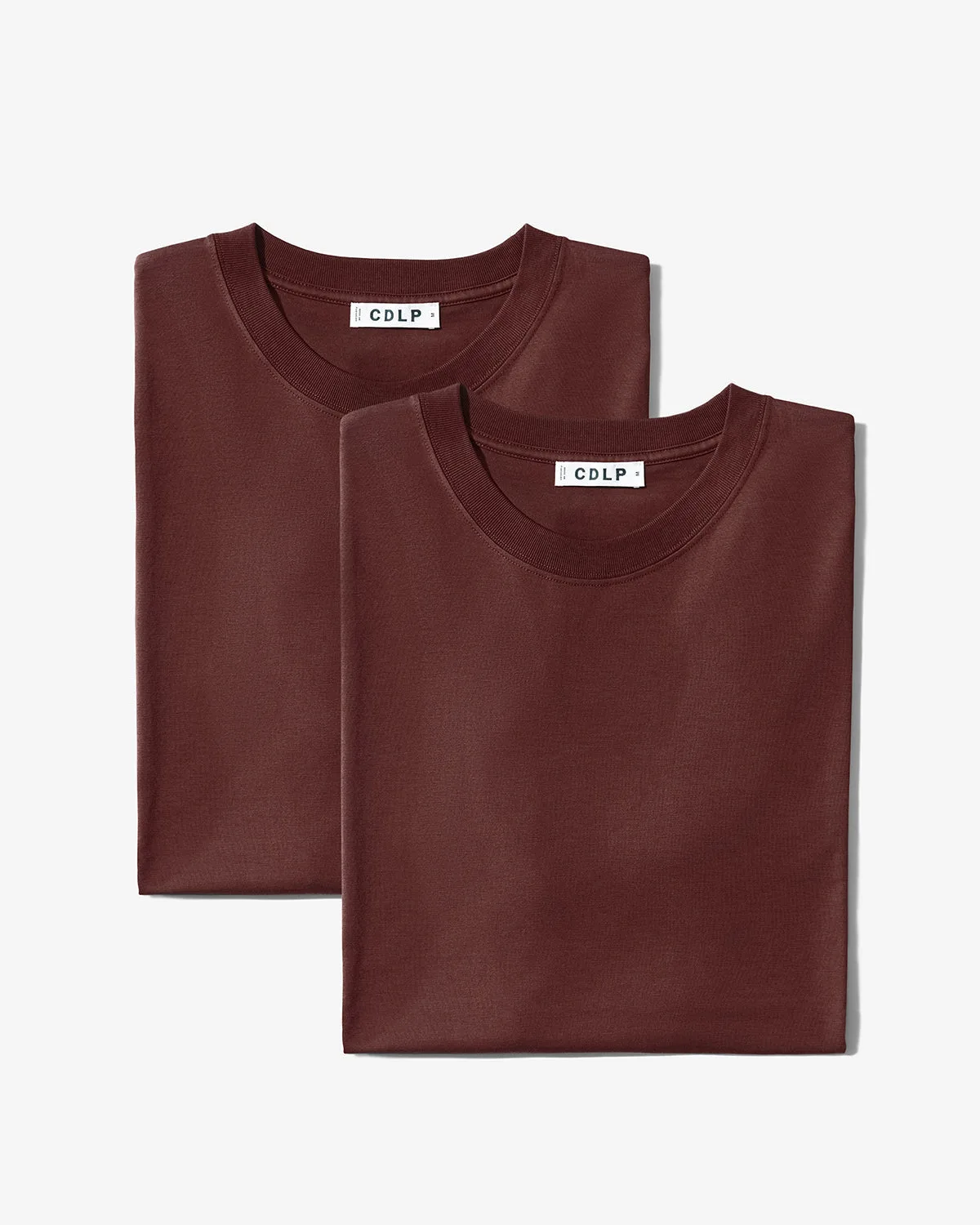
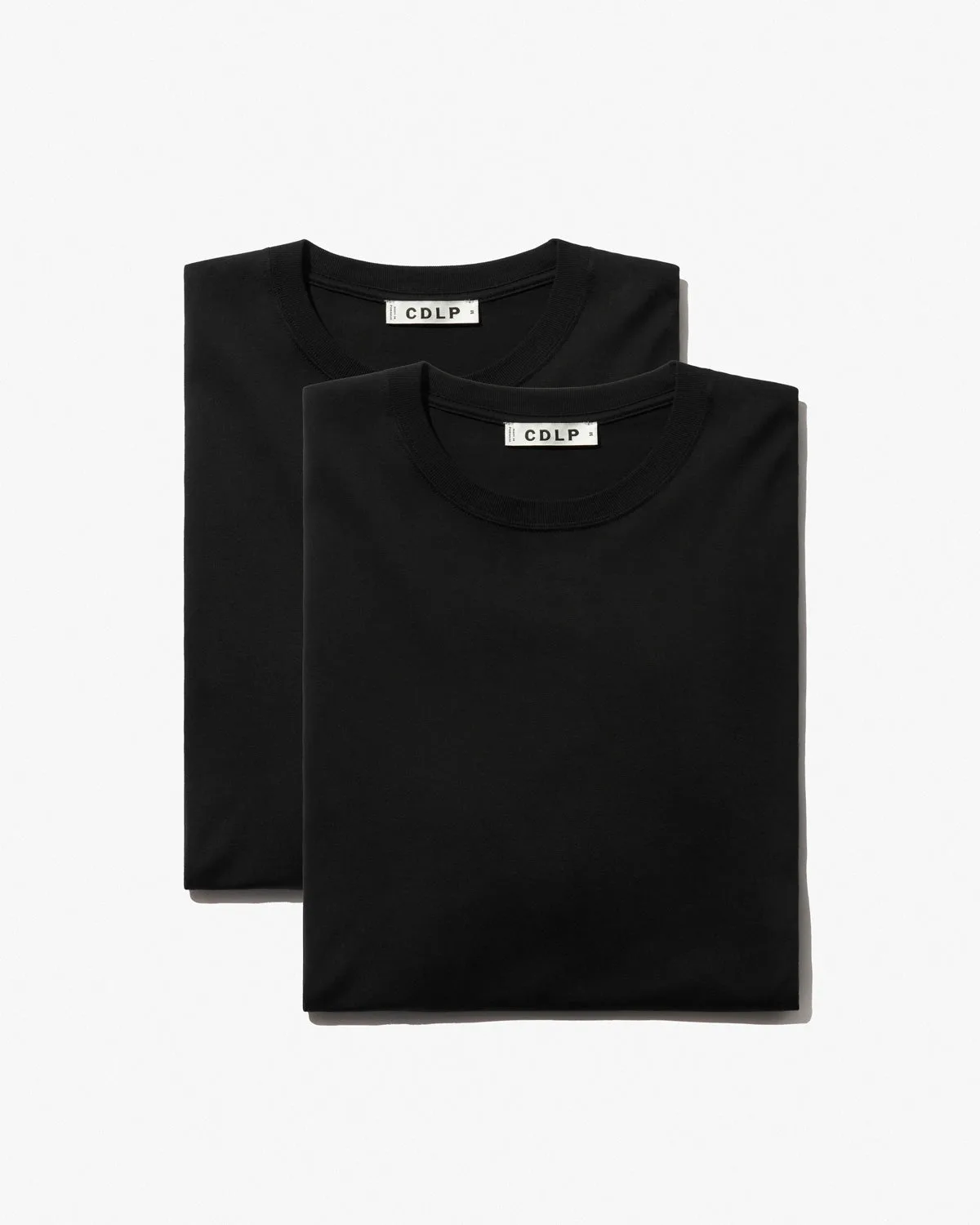
- 2 × Midweight Long Sleeve T-Shirt: Our 220 gsm https://cdlpmiy.com/products/mens-midweight-t-shirt-long-sleeve-black-59f8a6d74bf81684f8864553-1501458Midweight Long Sleeve T-shirt is designed with a regular fit and crew neck. Made of a unique Tencel™ lyocell and pima cotton blend. The concept of midweight fabric balance applies to socks too—midweight socks offer enough structure to stay up without being bulky, similar to how this shirt balances softness and durability.
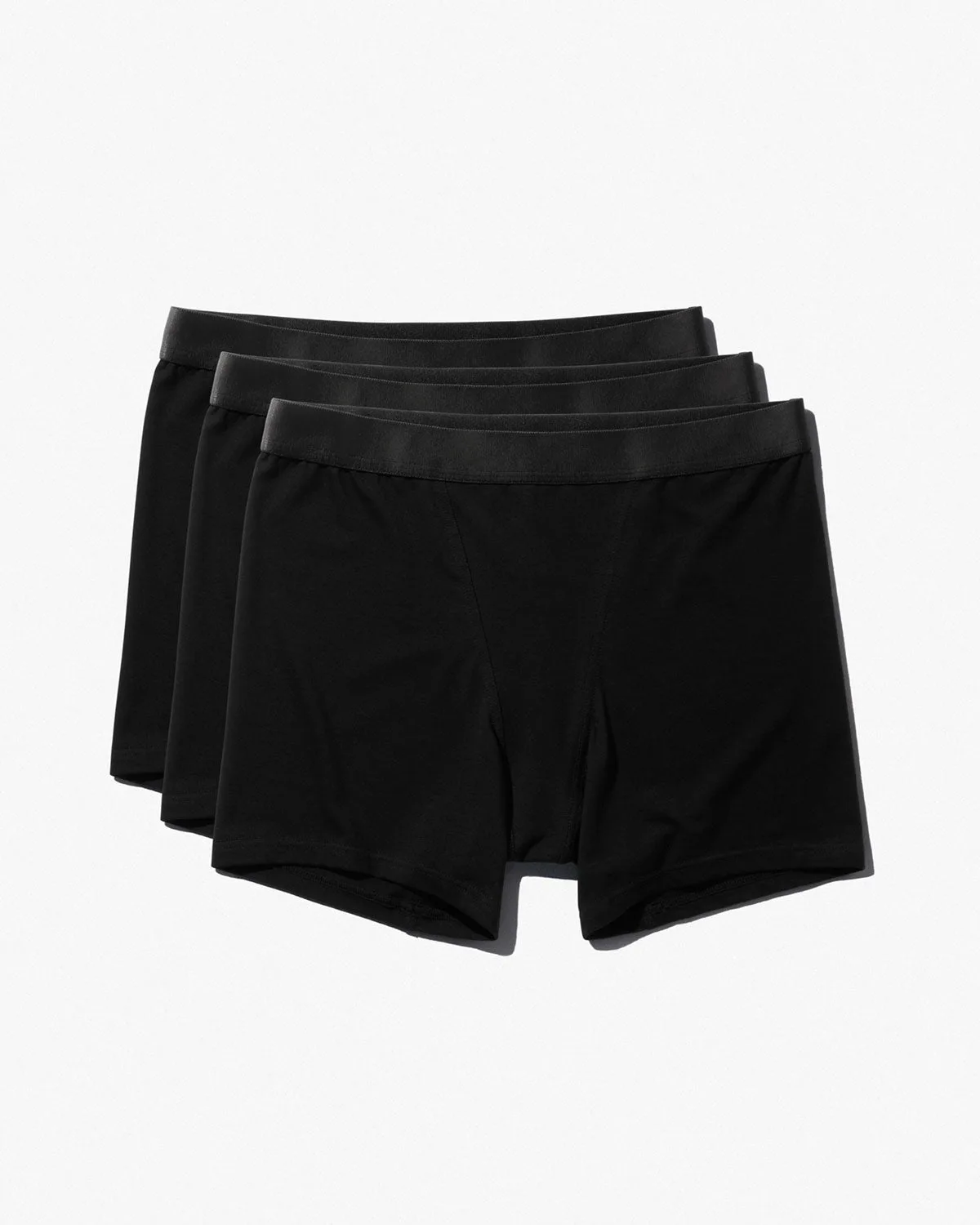
- 3 × Y-Brief: Our Y-Brief is designed with a low waist and our original signature waistband. Made of Tencel™ lyocell providing silk-like softness, superior breathability, and natural moisture wicking properties. A well-designed waistband that stays put without digging in is exactly what you want in a sock cuff. The same principle of a signature, non-slip band applies to keeping socks up.