Quick answer
Socks sliding down are almost always a fit or friction problem, not a laundry problem. Check the size against your shoe size first, then the heel position, then how much slip your shoe creates. If the sock still bunches after those checks, choose a sock with a ribbed cuff or reinforced arch support instead of trying more fixes.
Symptom: the sock bunches at the heel or under the arch
Bunching under the arch usually means the sock is too long for your foot or has lost its shape at the heel. Pull the sock on and press your thumb into the heel pocket; if the pocket sits above or below your heel bone, the sock will creep down with every step. A sock that fits correctly has the heel pocket cupping the heel, with no extra fabric folding at the instep.
Symptom: the cuff rolls or leaves a mark without holding
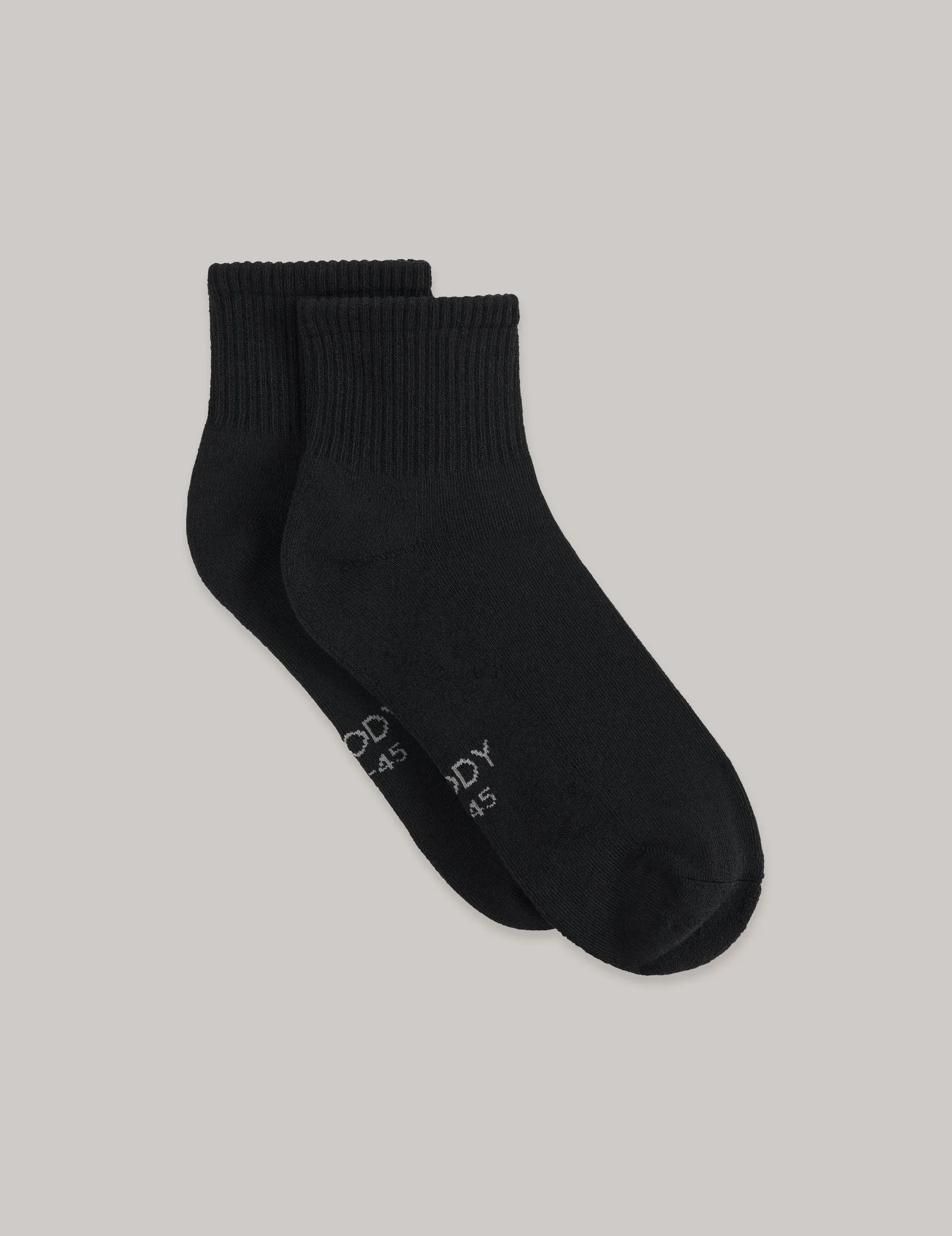
A cuff that rolls down is often a sign the elastic has stretched past recovery, which happens faster with hot washing and tumble drying. Ribbed cuffs hold shape longer because the ribbing adds structure rather than relying only on elastane. If the cuff leaves a deep mark but still slides, the sock is too small and the fabric is being pulled tight rather than gripping.
Symptom: ankle and no-show socks disappear into the shoe
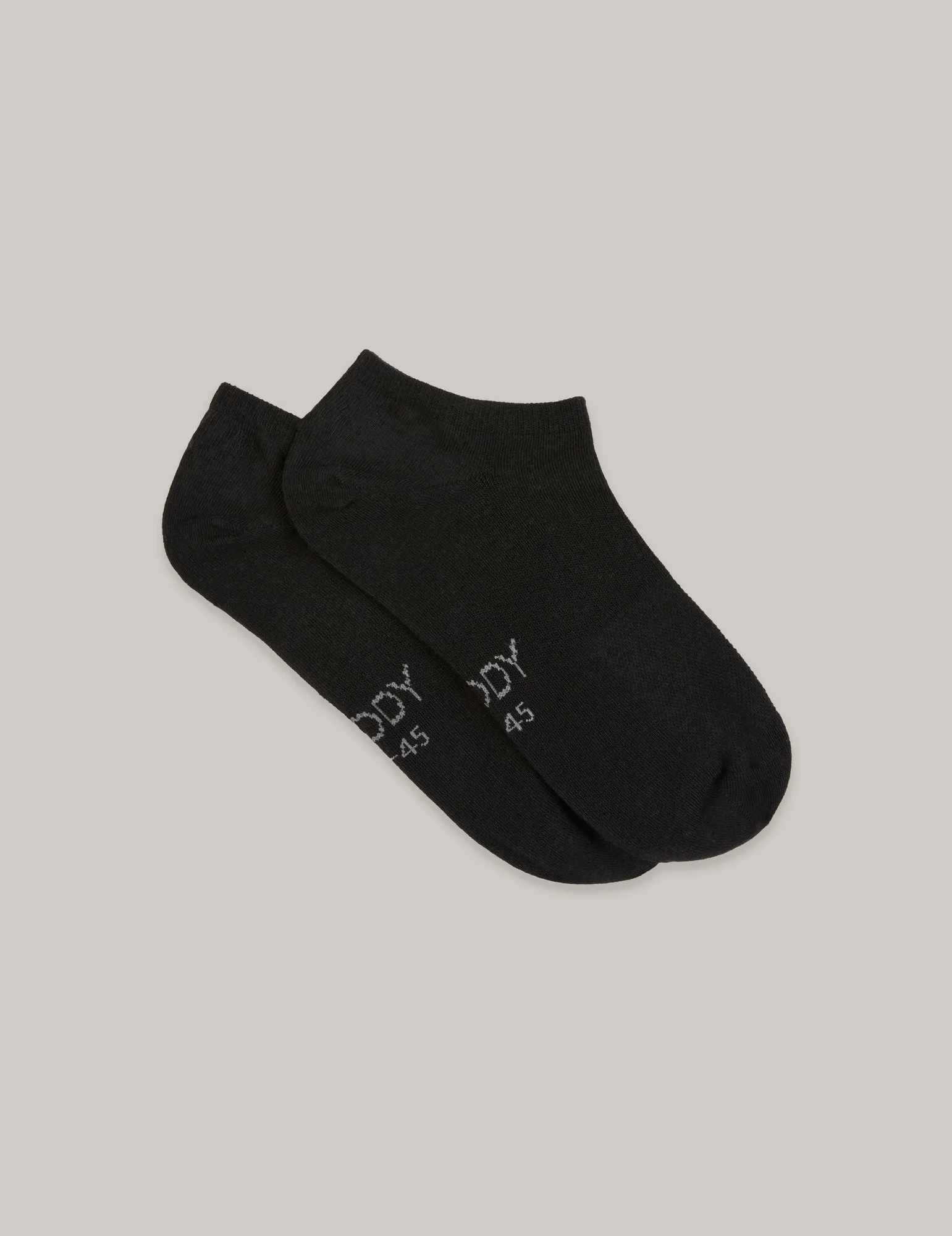
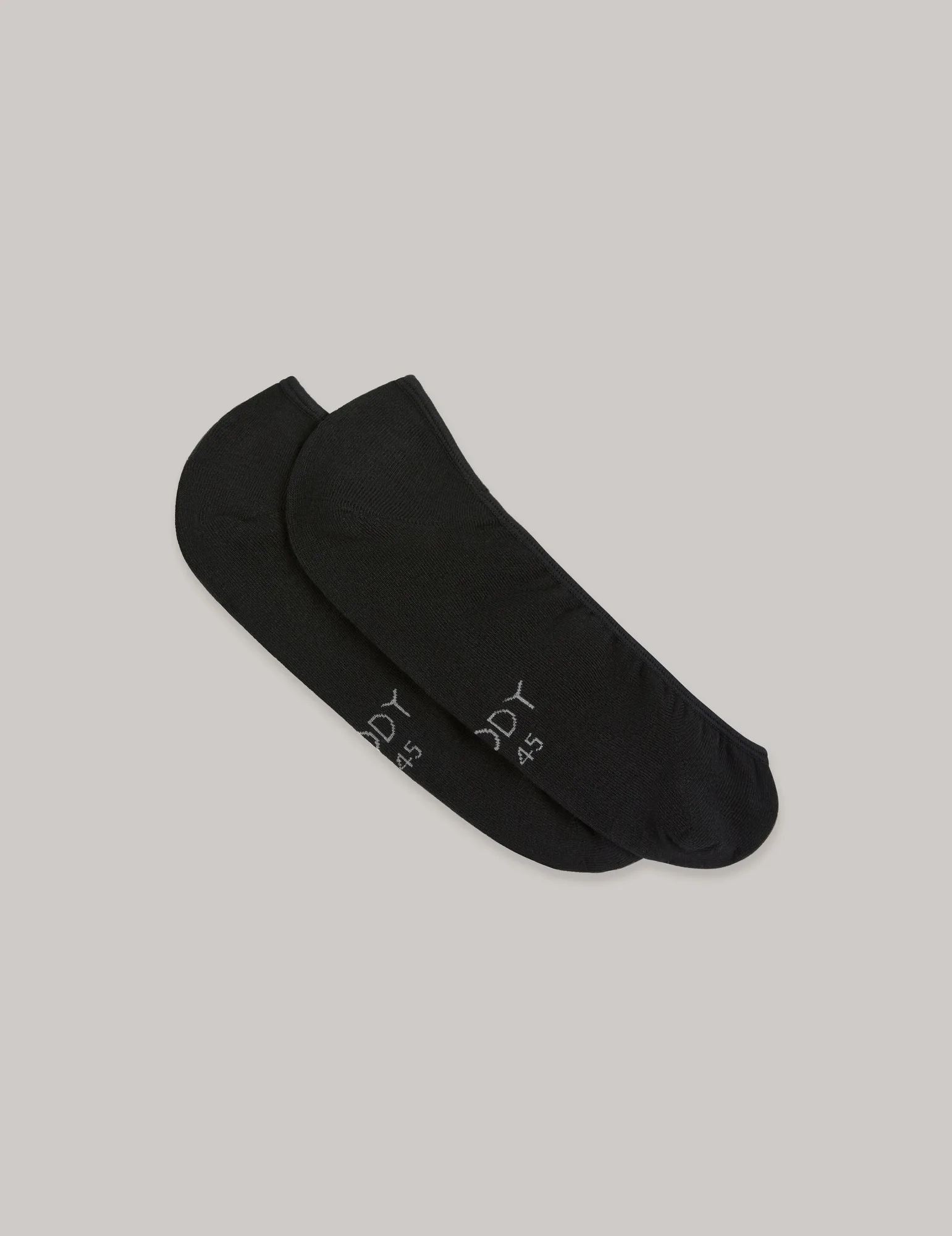
Low-cut socks slip when the heel grip is shallow or the shoe liner is smooth. Check that the silicone or ribbed heel grip sits above your heel bone, not on it. If the shoe has a removable insole, a thin liner can reduce the sliding surface. For no-show socks that fall off, the cuff height and heel grip matter more than thickness.
Corrective actions that take five minutes
Start with size: match the sock to your shoe size, not your usual clothing size. Next, reset the heel pocket by rolling the sock on from the toe rather than pulling it up from the cuff. Then check your shoes; a loose heel counter or worn insole lets the foot slide, which drags the sock down. Finally, turn socks inside out before washing and skip the dryer to protect the cuff.
When to stop fixing and choose a different sock
If you have tried sizing, heel placement and shoe checks and the sock still slides within an hour of walking, the sock's construction is the limiting factor. Look for a ribbed cuff, a defined heel pocket and reinforced arch support. For work or long days on your feet, extra thickness and cushioning can also reduce movement inside the shoe. If you need a low-cut sock for a specific shoe, accept that no-show styles have less to grip and choose a pair with a deeper heel grip rather than forcing a crew sock to behave like a no-show.
Diagnose your sock slip
- Sock bunches at the heel: The heel pocket is not sitting on your heel bone, usually because the sock is too long or has lost shape. Reset the heel pocket; if it still bunches, size down or choose a sock with a defined heel.
- Cuff rolls down without pressure: The elastic has stretched out, often from hot washing or dryer heat. Switch to a ribbed cuff and wash inside out without heat.
- No-show sock slides under the heel: The heel grip is shallow or sitting on the heel bone instead of above it. Reposition the grip above the heel; if it still slips, choose a higher cuff or a sock with a deeper grip.
- Sock slides only in one pair of shoes: A loose heel counter or worn insole lets your foot move, which drags the sock down. Fix the shoe fit first; if the shoe is the cause, no sock will stay up reliably.
Socks built to stay put
- Extra Thick Workboot Socks: Extra Thick Workboot Socks are made with viscose fibre from organically grown bamboo and have reinforced arch support. The arch support adds grip around the midfoot, which reduces the sliding that happens when a sock has no structure to hold it in place.
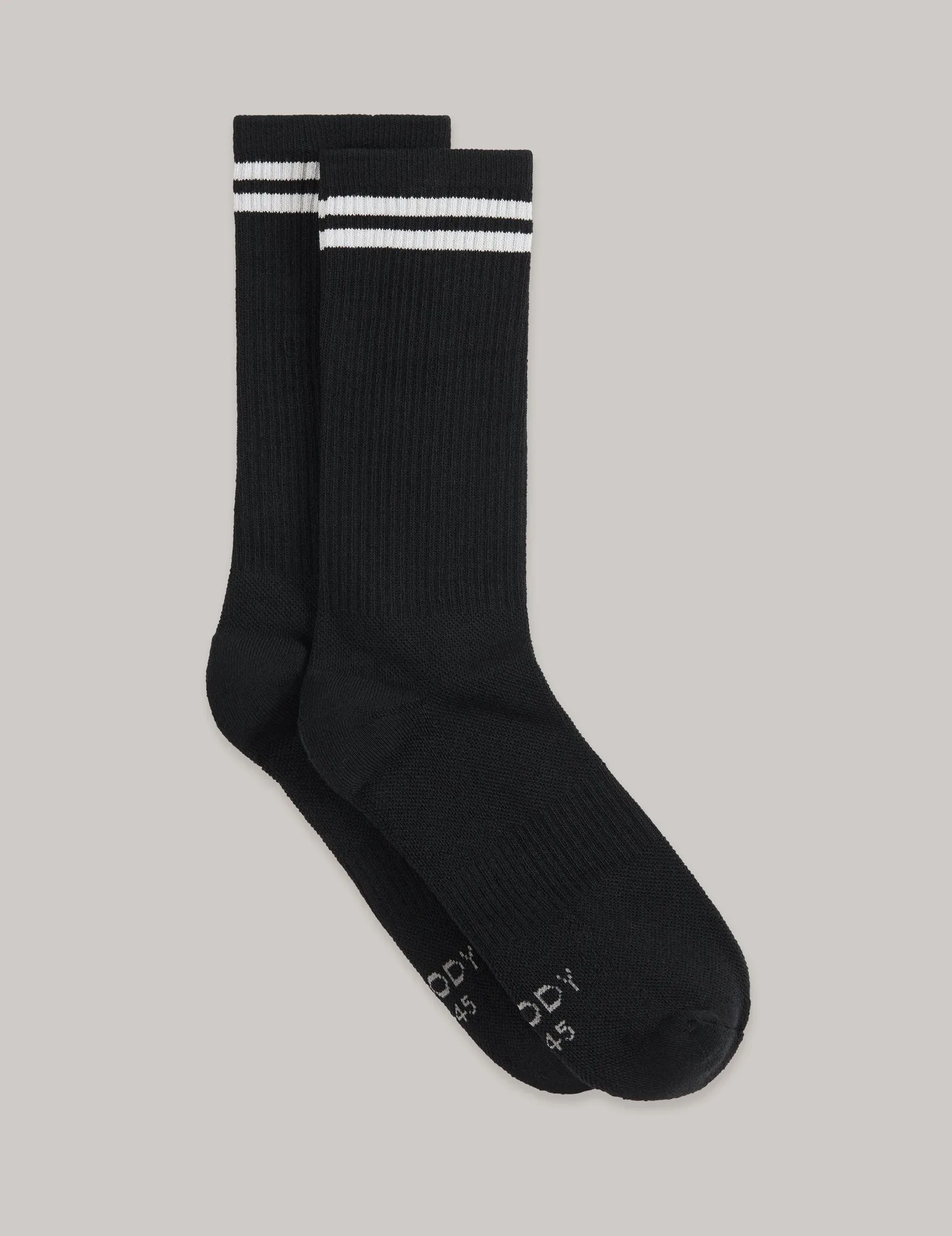
- 3-Pack Giftbox - Ribbed Crew Socks - Moss, Navy, Oatmeal: The 3-Pack Giftbox Ribbed Crew Socks have a ribbed construction for a snug fit that gently hugs the foot to prevent sliding or bunching. Ribbing is the most direct fix for a cuff that rolls or slips, and the crew height gives more surface area to grip than a low-cut sock.