Quick Answer
Water shoes smell because moisture and bacteria get trapped in the materials. To fix odor fast, rinse thoroughly after use, soak in a vinegar solution, and air dry completely away from direct heat. For persistent smells, use a baking soda paste or a dedicated shoe deodorizer.
Why Water Shoes Develop Odor
The main culprit is a combination of moisture, warmth, and organic matter (sweat, lake water, or salt). Neoprene and synthetic mesh hold water against your skin, creating a perfect breeding ground for bacteria and fungi. Even quick-drying designs can trap odors if not cleaned promptly.
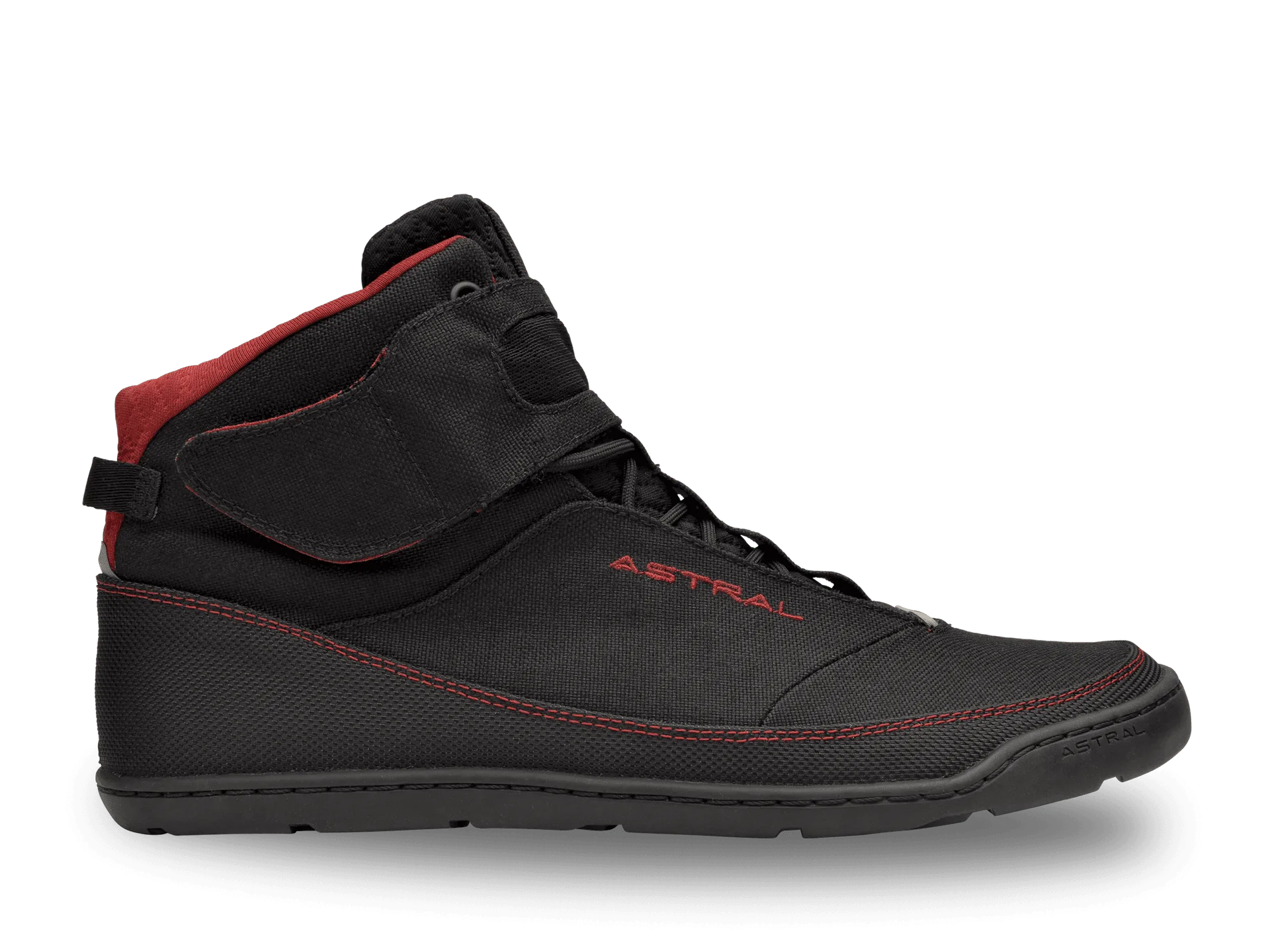
Astral's Loyak AC, for example, is built with ultra-breathable mesh that dries faster than most water shoes, reducing the time bacteria have to multiply. But no shoe is immune—regular care is still essential.
Immediate Steps to Deodorize Water Shoes
Start by rinsing your shoes with fresh, cool water immediately after each use to remove salt, sand, and organic debris. Then mix a solution of equal parts white vinegar and water, and soak the shoes for 30 minutes. Vinegar neutralizes odor-causing bacteria without damaging neoprene or synthetic fabrics.
After soaking, rinse again and stuff the shoes with newspaper or a dry towel to absorb excess moisture. Air dry in a well-ventilated area, out of direct sunlight. Avoid heat sources like radiators or dryers, which can degrade materials and set odors.
Deep Cleaning for Stubborn Odors
If the vinegar soak doesn't fully remove the smell, make a paste of baking soda and water, apply it to the interior, and let it sit for several hours or overnight. Baking soda absorbs lingering odors. Brush off the dried paste and rinse lightly.
For neoprene shoes specifically, you can also use a mild enzyme-based cleaner (sold at outdoor retailers) that breaks down organic residues. Always check the care label—some cleaners can damage waterproof coatings or adhesives.
Preventing Future Odor
Prevention is simpler than cure. Always let your water shoes dry completely between uses—rotate pairs if you're on the water daily. Shake out any debris before storing, and keep them in a breathable bag or open shelf, not a sealed locker.
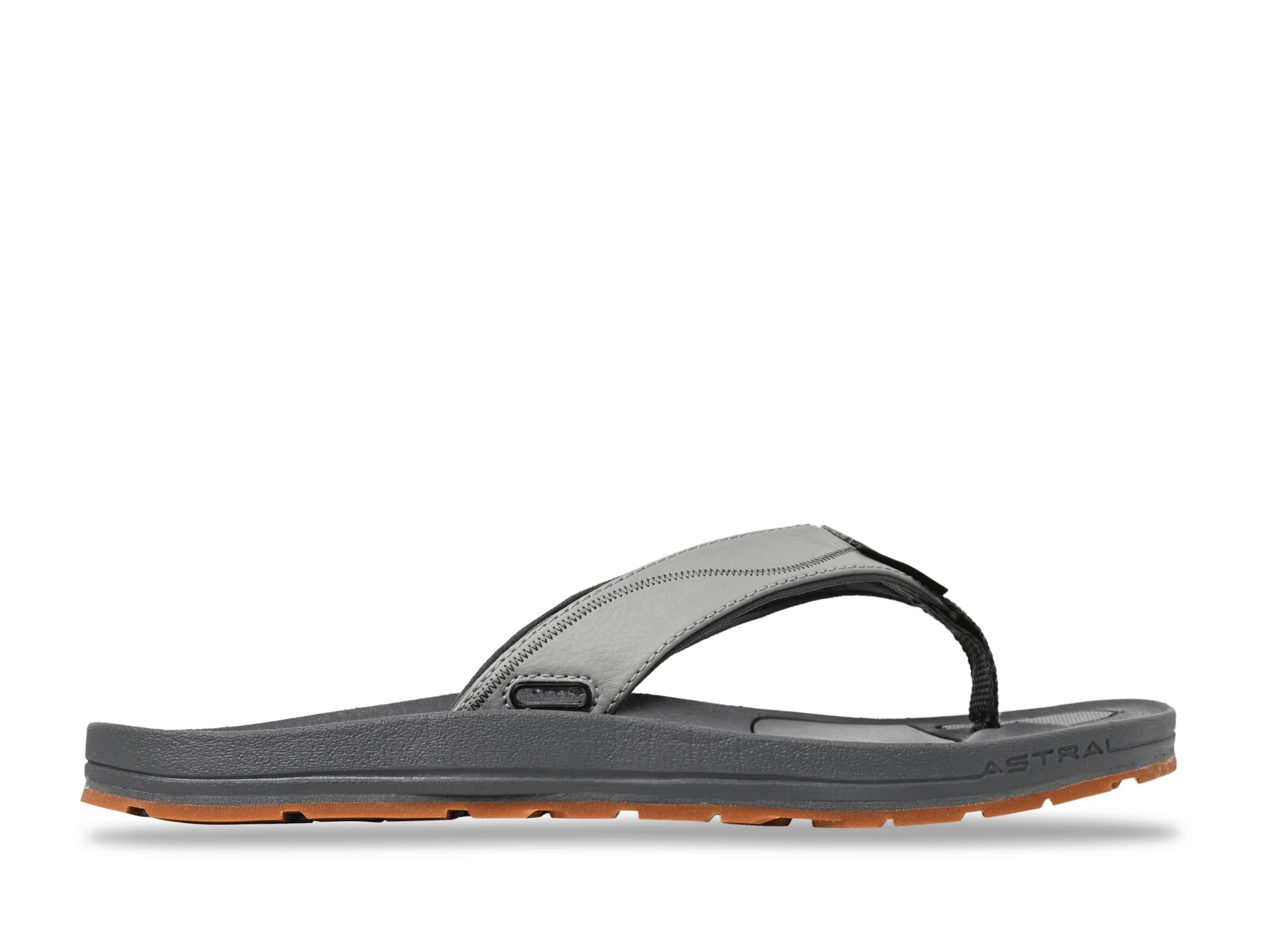
Astral's PFD Sandal (available in men's and women's versions) features a zero-drop design and open construction that allows water and air to flow through, naturally reducing moisture retention. Choosing a more open sandal for activities like kayaking or SUP can minimize odor issues from the start.
Diagnosis: Is It Odor or Something Worse?
- Symptom: A musty, sour, or ammonia-like smell coming from your water shoes, especially when they are damp or after a few hours of wear.
- Likely Cause: Bacteria and fungi feeding on sweat, dead skin, and environmental debris in a moist, poorly ventilated shoe. Neoprene and synthetic mesh are especially prone because they hold water.
- Corrective Action: Rinse immediately after use. Soak in a 50/50 vinegar-water solution for 30 minutes. Rinse, stuff with newspaper, and air dry fully. For persistent smells, apply a baking soda paste overnight. If the smell disappears after cleaning, you're back on track.
- When to Stop or Choose Another Option: If the odor returns immediately after drying, or if you see mold spots or material breakdown, the shoes may have permanent microbial damage. At this point, consider replacing them with a more breathable model like the Loyak AC or switching to an open sandal like the PFD Sandal for better airflow. If deep cleaning fails twice, it's time to replace the shoes.
Products That Help Reduce Odor
- Loyak AC: The Loyak AC is an ultra-breathable minimalist water shoe designed for everyday versatility. Fastest drying and most breathable design for water sports and active use. Faster drying means less time for bacteria to grow, directly reducing the chance of odor buildup after each use.
- PFD Sandal M's: The PFD Sandal M's features a stickiest sole for superior grip on wet surfaces and Zero Drop design for natural foot positioning. The open sandal construction allows water and air to circulate freely, preventing the trapped moisture that causes smells.