Quick Answer
Toddlers love 12-piece mini puzzles because they offer just the right challenge: large, thick pieces that fit easily in small hands and provide a satisfying sense of accomplishment. These puzzles also support early learning by building fine motor skills, hand-eye coordination, and problem-solving abilities.
Why 12 Pieces Are Ideal for Toddlers
Toddlers are developing fine motor skills and hand-eye coordination. A 12-piece puzzle provides a manageable challenge: not too simple, not overwhelming. The large pieces are easy for little hands to grasp and place, reducing frustration and encouraging repeated play.
Completing a puzzle gives toddlers a tangible sense of achievement. This boosts confidence and motivates them to try more complex puzzles as they grow.
Choosing a Theme Your Toddler Will Love
Puzzle themes matter. Toddlers are drawn to familiar, colorful subjects. For example, the Crocodile Creek Dino Friends puzzle appeals to dinosaur enthusiasts, while The Very Hungry Caterpillar puzzle brings a beloved storybook character to life. Choosing a theme your child loves can increase engagement and make puzzle time more enjoyable.
Look for puzzles with sturdy, thick pieces that can withstand rough handling. Both featured puzzles are designed for durability and repeated use.
How Mini Puzzles Support Early Learning
Mini puzzles are more than play—they are learning tools. They help toddlers develop problem-solving skills, spatial awareness, and concentration. Working on a puzzle with a parent also encourages language development and social interaction.
Puzzles can be used over and over, providing consistent opportunities for practice and mastery.
Frequently Asked Questions
What age is appropriate for a 12-piece puzzle?
12-piece puzzles are generally suitable for toddlers aged 18 months to 3 years. Look for large, thick pieces that are easy to handle and safe for small hands. Always check the recommended age on the packaging to ensure safety and suitability.
How do I introduce a puzzle to my toddler?
Start by sitting with your child and showing them how to fit pieces together. Encourage them to try, and celebrate their attempts. Use a flat surface and keep the puzzle pieces within reach. Make puzzle time a positive, shared experience to build your child's interest and confidence.
What are the benefits of mini puzzles for early learning?
Mini puzzles help develop fine motor skills, hand-eye coordination, problem-solving, and concentration. They also encourage language development when you talk about the pictures and colors. Use puzzle time to name objects and colors to boost vocabulary.
Puzzles That Delight Toddlers
-
12-Piece Mini Puzzle - Dino Friends: The Dino Friends puzzle features 12 large, thick pieces ideal for little hands and is packaged in a uniquely shaped box perfect for gift-giving. Large pieces make it easy for toddlers to grasp and place, reducing frustration and building confidence.
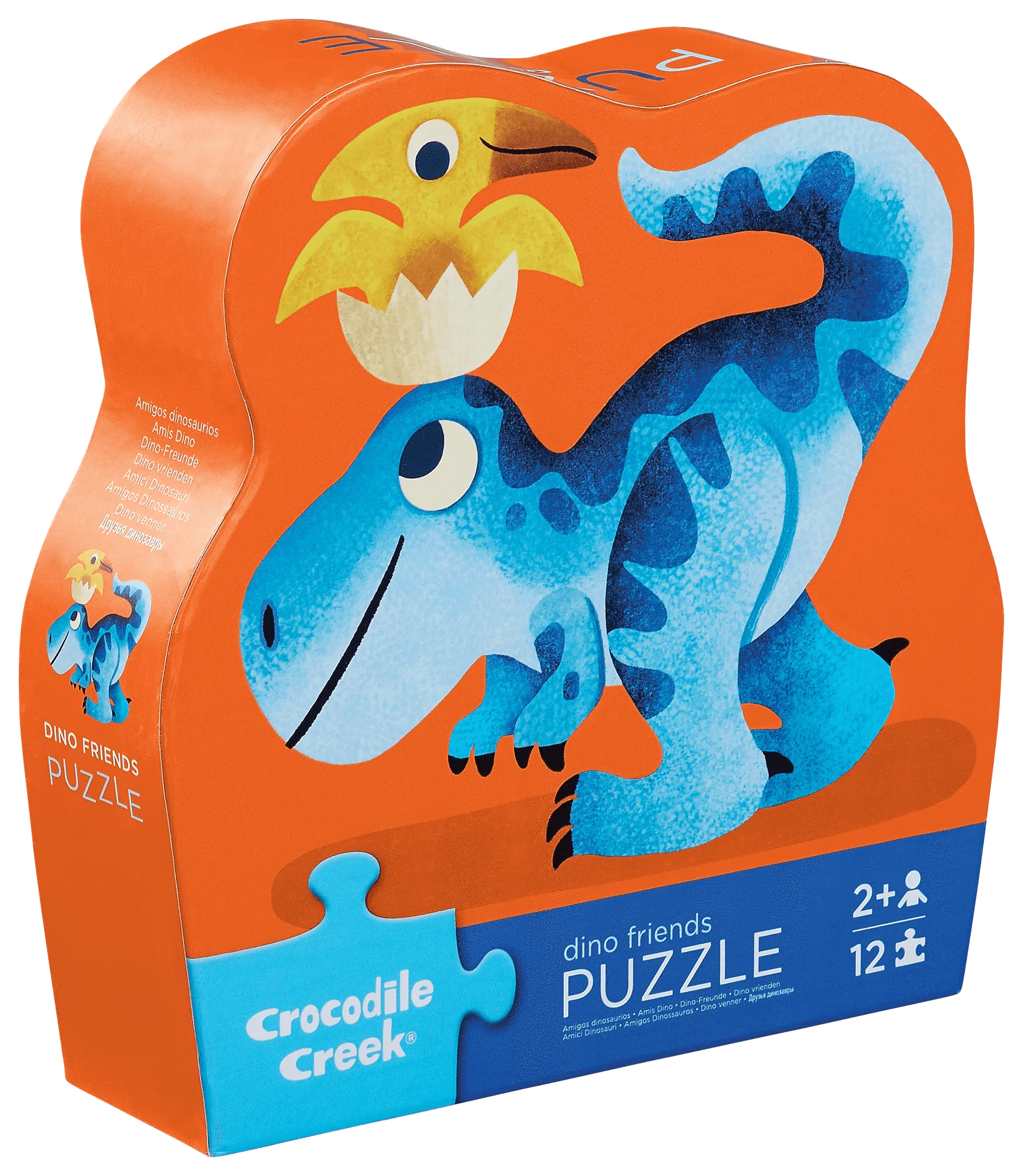
12-Piece Mini Puzzle - Dino Friends
-
12-Pc Mini Puzzle - The Very Hungry Caterpillar: The Very Hungry Caterpillar puzzle brings Eric Carle's beloved story to life with vibrant colors and iconic illustrations, encouraging hand-eye coordination and problem-solving. A familiar, engaging theme motivates toddlers to play, while the sturdy box is perfect for travel and storage.
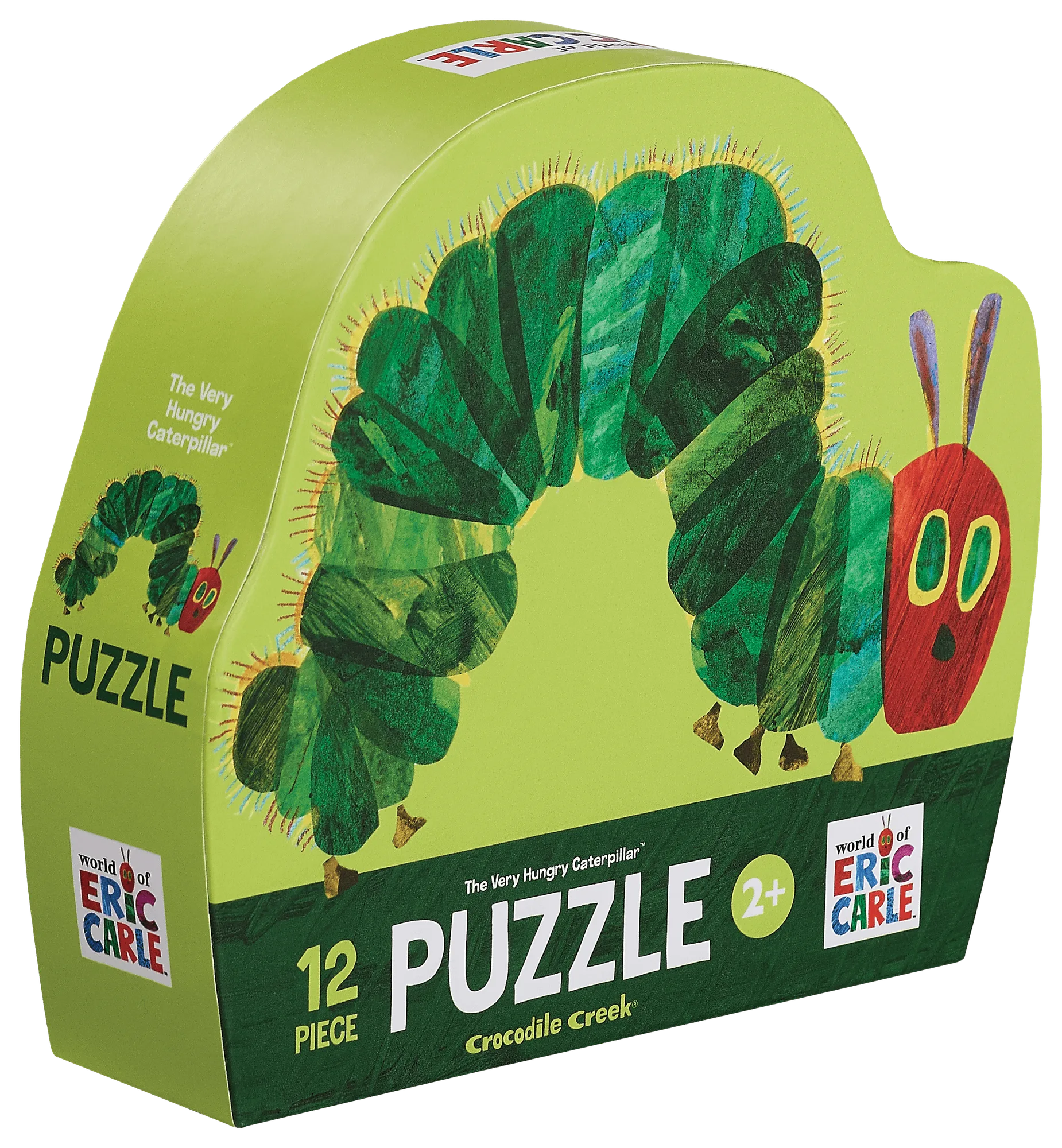
12-Pc Mini Puzzle - The Very Hungry Caterpillar