Quick Answer
Toddlers put toys in their mouths because mouthing is a primary way they explore textures, shapes, and tastes. It's a normal developmental stage, but you should choose toys that are safe for mouthing—like sturdy wooden toys and board books—and supervise play. Most children naturally stop mouthing by age 3.
If you've ever watched your toddler pick up a toy and immediately bring it to their mouth, you're not alone. Mouthing is one of the most common behaviors in early childhood, and it's a sign of healthy development. But it also raises important questions about toy safety.
This article answers common questions about toddler mouthing, explains why it happens, and offers practical guidance for choosing safe toys for mouthing—including several Melissa & Doug products designed with little explorers in mind.
Why Do Toddlers Mouth Toys?
For toddlers, the mouth is packed with sensitive nerve endings, making it one of the most effective tools for exploring the world. When a child mouths a toy, they learn about its texture, hardness, shape, and even temperature. This sensory exploration is crucial for brain development and helps toddlers build connections between what they see, feel, and taste.
Mouthing also provides comfort. Like thumb-sucking, mouthing can be self-soothing during times of stress, fatigue, or transitions. It's a natural reflex that begins in infancy and typically peaks between 6 and 18 months.
- Offer a variety of safe textures (wood, silicone, fabric) to satisfy curiosity.
- Keep a clean, designated 'mouthing bin' with toys that are easy to wipe down.
When Do Toddlers Stop Mouthing?
Most toddlers gradually reduce mouthing as they gain more mobility and language skills. By age 2, many children mouth less frequently, and by age 3, most have outgrown the habit. However, some children continue to mouth during teething or when they're tired.
If your child is still mouthing toys past age 4, it's worth mentioning to your pediatrician, especially if it interferes with play or speech development. In most cases, though, mouthing is a passing phase.
What Makes a Toy Safe for Mouthing?
Safety starts with size: toys should be larger than a toddler's mouth to prevent choking. Avoid toys with small parts, loose batteries, or sharp edges. Materials matter too—look for non-toxic finishes, sturdy construction, and easy-to-clean surfaces.
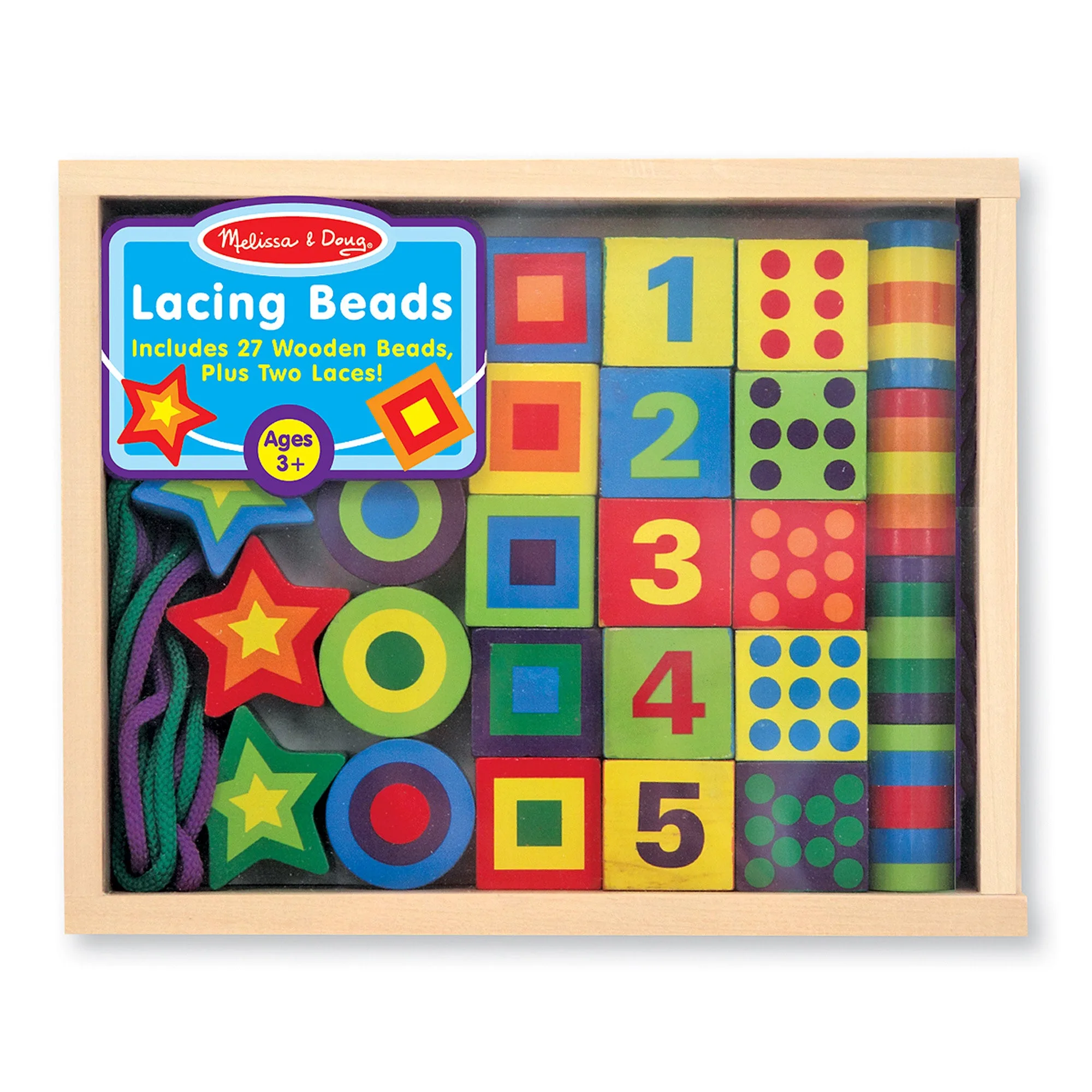
Wooden toys are a classic choice because they're durable, naturally non-toxic when finished with safe paints, and have no small parts to break off. Board books are also great because they're designed to withstand chewing and wiping.
- Check for the ASTM F963 label, which indicates compliance with U.S. toy safety standards.
- Inspect toys regularly for cracks, splinters, or loose pieces.
How to Choose Safe Melissa & Doug Toys for Mouthing
Melissa & Doug toys are known for their sturdy wooden construction and non-toxic finishes, making many of them suitable for toddlers who mouth. When selecting toys, look for solid, one-piece items or toys with no small detachable parts. For example, wooden dress-up figures are safe to hold and mouth because they're made of solid wood with smooth edges.
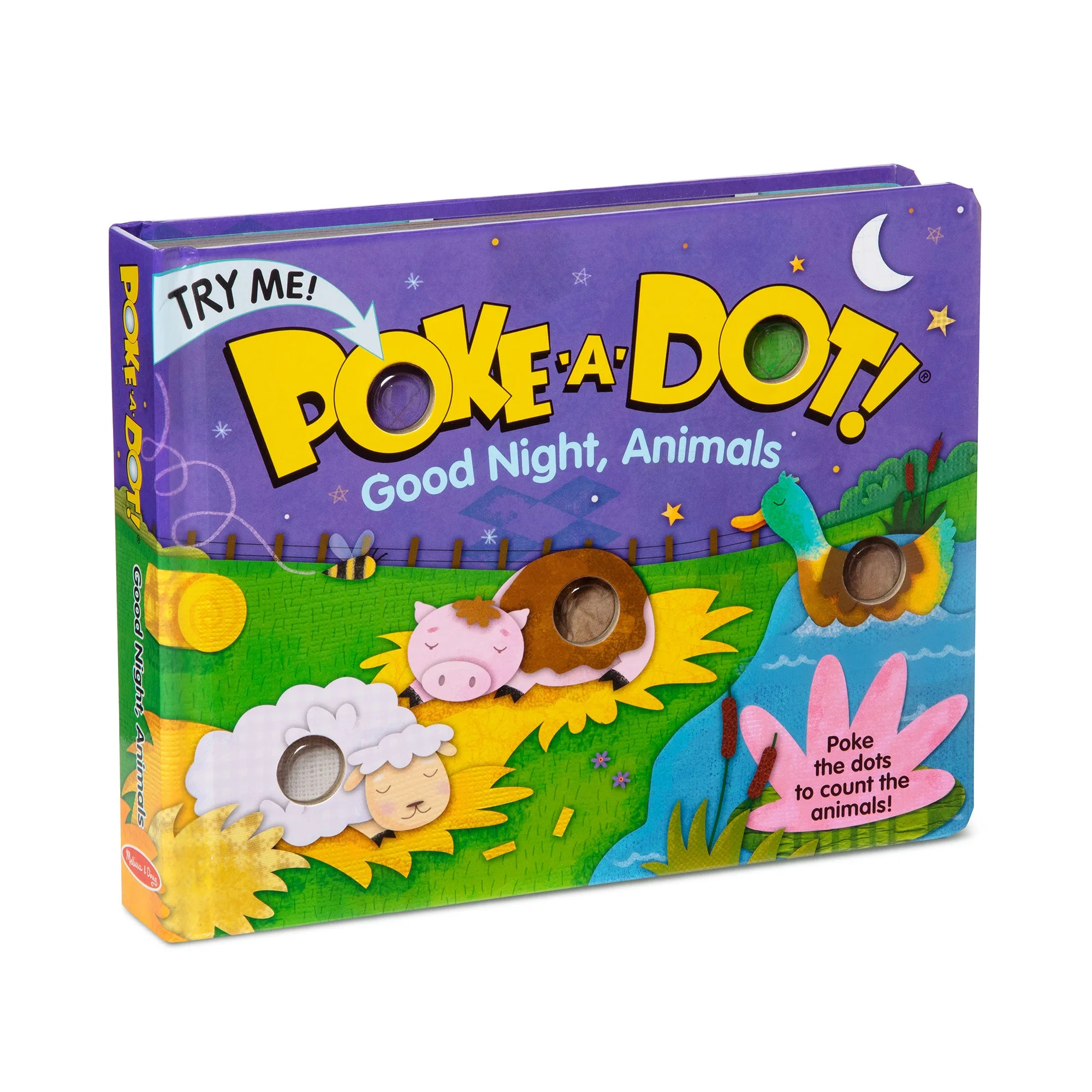
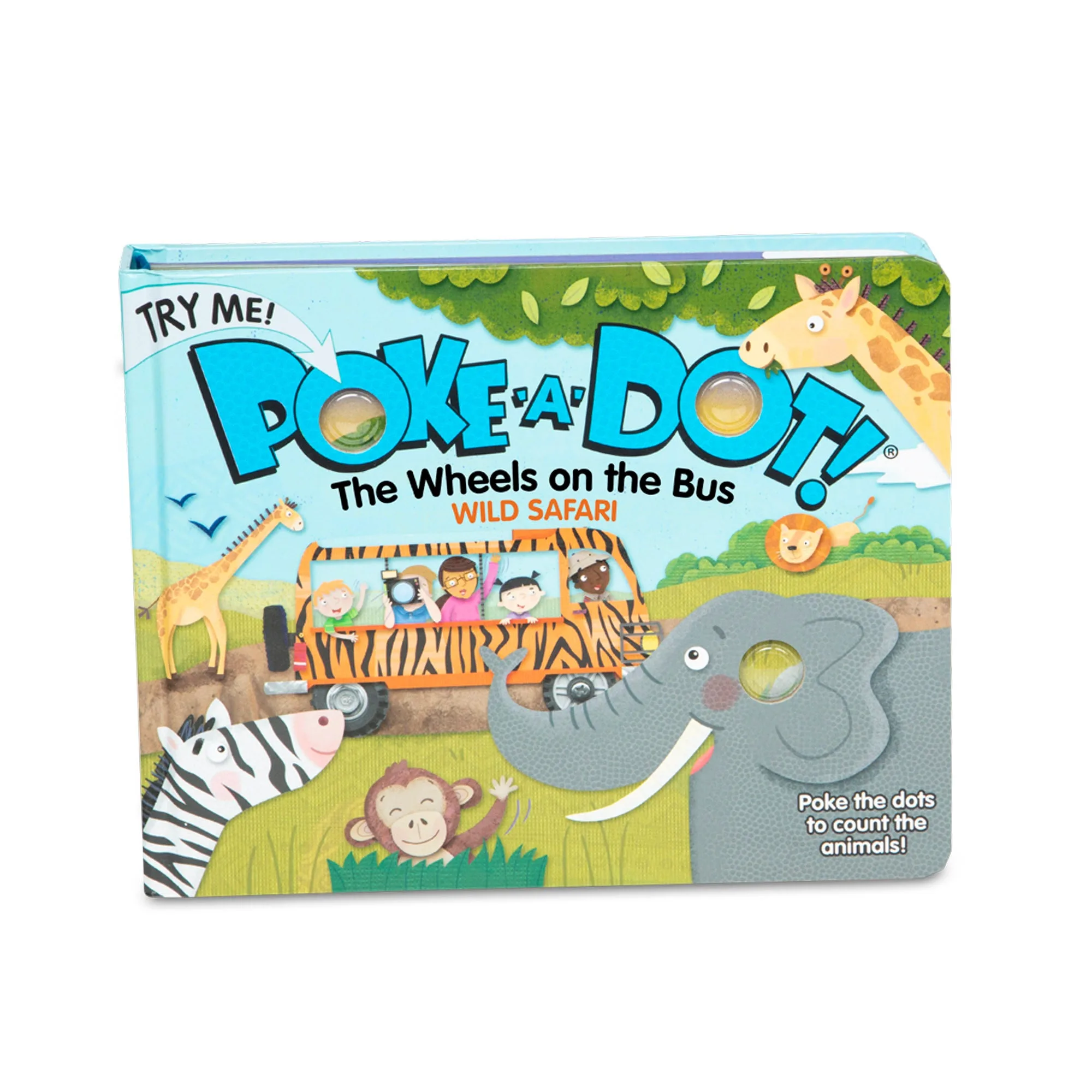
Board books are another excellent option. They're thick, durable, and easy to wipe clean. The Poke-a-Dot series, for instance, offers interactive buttons that are securely attached and safe for little mouths.
Frequently Asked Questions
Is it normal for a 2-year-old to mouth toys?
Yes. Many 2-year-olds still mouth toys, especially during teething or when tired. It's a normal sensory exploration behavior. Offer safe mouthing toys and gently redirect if the toy isn't appropriate.
What materials are safest for mouthing?
Solid wood with non-toxic finishes, food-grade silicone, and thick board books are all safe choices. Avoid toys with small parts, sharp edges, or toxic paints. When in doubt, choose larger, one-piece toys.
How do I clean toys that have been mouthed?
Wipe wooden toys with a damp cloth and mild soap, then air dry. Board books can be wiped with a disinfectant wipe. Avoid soaking wood, as it can warp. Regular cleaning keeps mouthing toys hygienic.
Safe Melissa & Doug Picks for Mouthing Toddlers
- Poke-a-Dot: What’s Your Favorite Color? Board Book: This sturdy 20-page interactive board book invites kids to pop along as they identify the colors of animals from purple to green and every color in between! Poke-a-Dot® books help encourage language development, counting, and fine motor skills. Board books are safe for mouthing because they're thick and durable, and the pop buttons are securely attached. This book also turns mouthing time into a learning opportunity.
- Sleeping Beauty & Snow White Wooden Magnetic Dress-Up: With 40+ magnetic pieces, kids can mix and match to create one-of-a-kind fashions! These wooden dress-up princesses come with their signature fashions to wear and share... plus all the pieces children need to make styles from their own imagination. The wooden pieces are smooth and sturdy, making them safe for mouthing. However, the small magnetic pieces are a choking hazard, so supervise play and keep the small parts out of reach until your child is past the mouthing stage.
Mouthing is a normal and important part of toddler development. By choosing safe toys for mouthing—like sturdy wooden toys and board books—you can let your child explore with confidence. Remember to supervise play, inspect toys regularly, and enjoy this curious stage while it lasts.