Quick answer
A smelly teething pad is usually caused by trapped moisture and bacteria from drool or spills. Regular machine washing with a gentle detergent usually eliminates the odor.
Why odor builds up
Drool, milk, and food particles soak into the fabric and padding. If the pad isn't dried quickly, bacteria and mildew multiply, creating a sour or musty smell. The double-layered cotton design of the Ergobaby Baby Carrier Teething Pad is great for absorbency, but it also holds moisture against the carrier straps if not laundered regularly.
When washing isn't enough
If the odor persists after a thorough wash, the pad may have developed mildew deep inside the padding. In that case, replacement is the safest option—especially for a teething baby who puts everything in their mouth. A fresh pad costs less than a new carrier and restores hygiene.
Diagnose and fix the smell
- Symptom: The teething pad smells sour, musty, or like old milk even after airing out.
- Likely cause: Trapped moisture and bacteria from drool or spills that weren't dried quickly. The double-layered cotton padding holds moisture against the carrier straps.
- Corrective action: Remove the pad from the carrier. Machine wash in cold water (85°F) with a mild, fragrance-free detergent. Do not use bleach or fabric softener. Tumble dry on low or air dry completely before reattaching. If the smell is gone, resume normal use and wash the pad weekly.
- When to stop and choose another option: If the odor remains after washing, the pad may have internal mildew. Replace it with a new Ergobaby Baby Carrier Teething Pad to keep your baby safe and the carrier clean. A replacement pad is more cost-effective than trying to salvage a compromised one.
Product that helps
-
Baby Carrier Teething Pad: Double layered cotton for extra absorbency; machine washable at 85°F. Regular washing at the recommended temperature removes drool residue and bacteria, preventing odor from setting in.
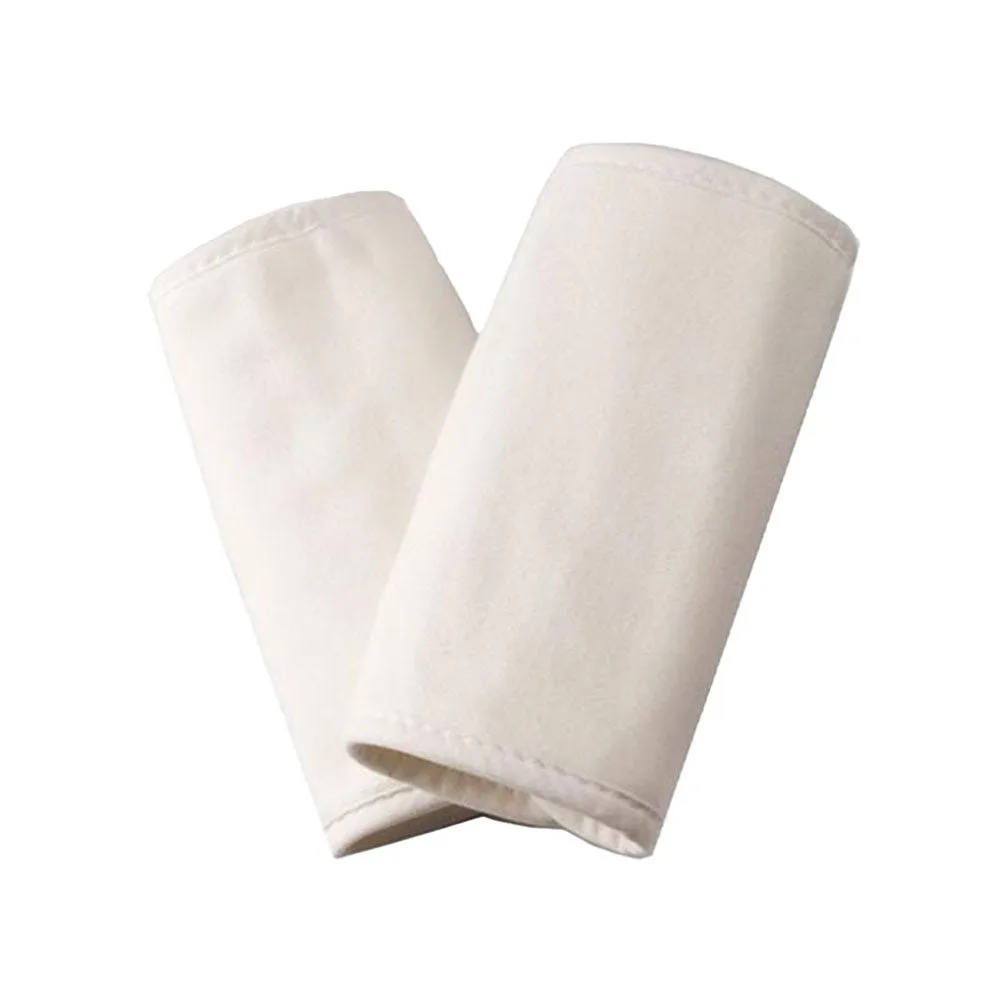
Baby Carrier Teething Pad