Quick answer
Most bottle refusals stem from a mismatch in nipple flow, milk temperature, or feeding position. Try a slower-flow nipple for newborns, warm the milk to body temperature, and hold your baby in a semi-upright position. If the problem persists for more than a few days, check for teething, illness, or a bottle material preference.
Why does my baby suddenly refuse the bottle?
A baby who has been feeding well and then stops is often reacting to a change. The most common triggers are a cold or ear infection (which makes sucking painful), teething, or a change in milk supply or taste (if you're breastfeeding and pumping). Less obvious causes include a change in bottle nipple firmness or flow rate, or even a new detergent scent on the bottle.
How to tell if the nipple flow is wrong
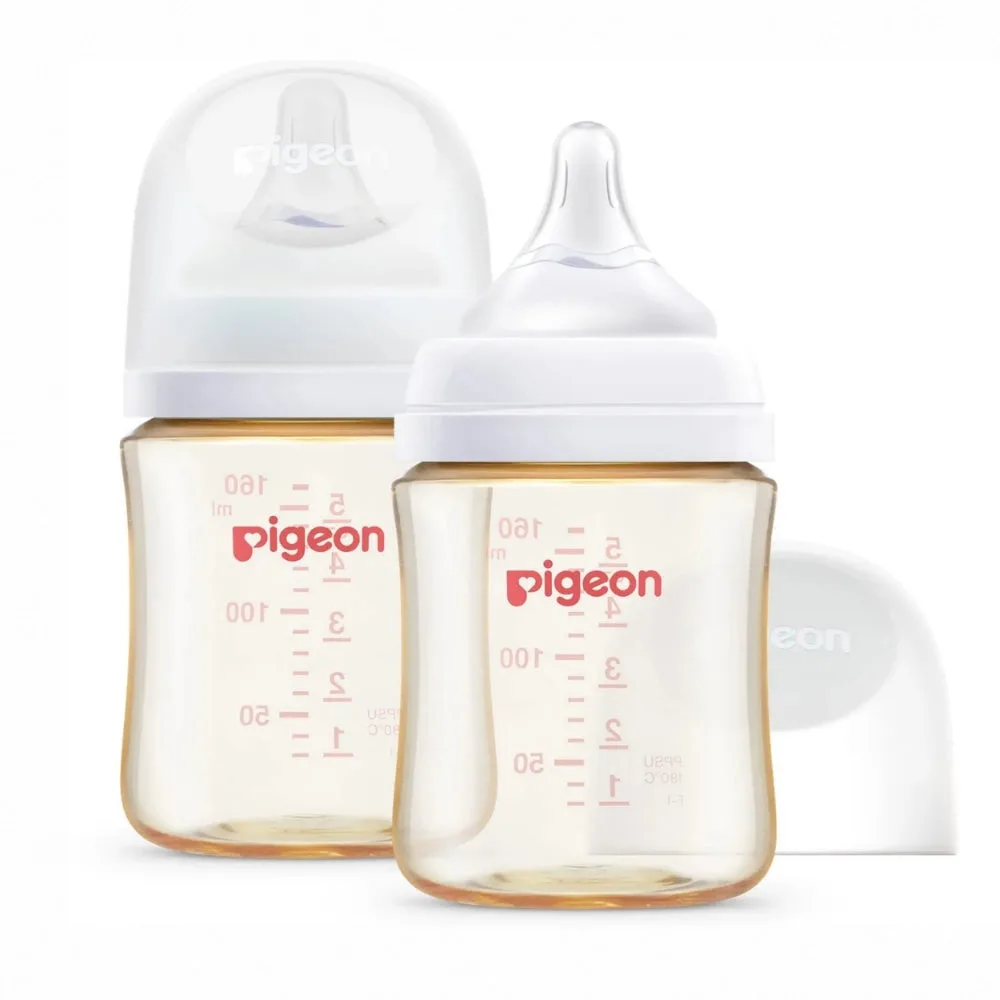
Nipple flow that is too fast can overwhelm a newborn, causing coughing, gulping, or milk leaking from the mouth. Flow that is too slow frustrates an older baby, who may push the bottle away or chew the nipple. For newborns, a slow-flow nipple (often labeled "S" or "newborn") is usually best. The PPSU Wide Neck Baby Bottle 2 Packs, 5.4 oz, designed for newborn feeding, comes with a wide neck that makes it easy to see the flow rate as you tilt the bottle. If milk drips steadily without a stream, the flow is appropriate for a newborn.
Temperature and timing fixes to try
Breast milk and formula should be served at body temperature (around 98.6°F). A bottle that is too cold or too hot can cause refusal. Warm the bottle under running water or in a bottle warmer, then test a drop on your wrist. Also consider hunger timing: a baby who is too hungry may be too frantic to latch, while a baby who is not hungry enough may play with the nipple. Watch for early hunger cues like rooting or hand-to-mouth movements.
Diagnosis: Is it a bottle refusal or something else?
- Symptom: Baby cries and arches back when offered the bottle: Likely cause: Over-hunger, gas, or reflux. Try feeding earlier, burping every 1-2 oz, and keeping baby upright for 20-30 minutes after feeding. If arching persists, consult your pediatrician about reflux.
- Symptom: Baby takes the nipple but lets milk dribble out: Likely cause: Nipple flow too fast. Switch to a slower-flow nipple. For newborns, a PPSU wide neck bottle with a newborn nipple is a good starting point. If dribbling continues, check for a tongue-tie.
- Symptom: Baby refuses bottle from one caregiver but not another: Likely cause: Association with a specific person, scent, or holding position. Have the other caregiver try a different position or a shirt worn by the breastfeeding parent. If refusal continues for more than a week, consider a bottle material change.
A bottle that works with your baby
- PPSU Wide Neck Baby Bottle 2 Packs,5.4 Oz(for Newborns): Designed for Newborn Feeding, Built for Everyday Use. Made from durable PPSU material, this lightweight bottle offers excellent heat resistance and long-lasting clarity while remaining easy for parents to handle. Its wide neck design simplifies filling, mixing, and cleaning. If your baby is sensitive to bottle material or nipple flow, a PPSU bottle with a wide neck lets you see and control the feeding more easily. The lightweight build also reduces arm fatigue during long feeding sessions.