Quick Answer
If your baby refuses the pacifier, it's often due to timing, nipple shape, or teething discomfort. Try offering it when your baby is calm, experiment with different styles, and use a pacifier clip to keep it clean and accessible. If your baby consistently rejects it after a few weeks, it may be that they simply prefer other soothing methods—and that's okay.
Why Babies Refuse the Pacifier
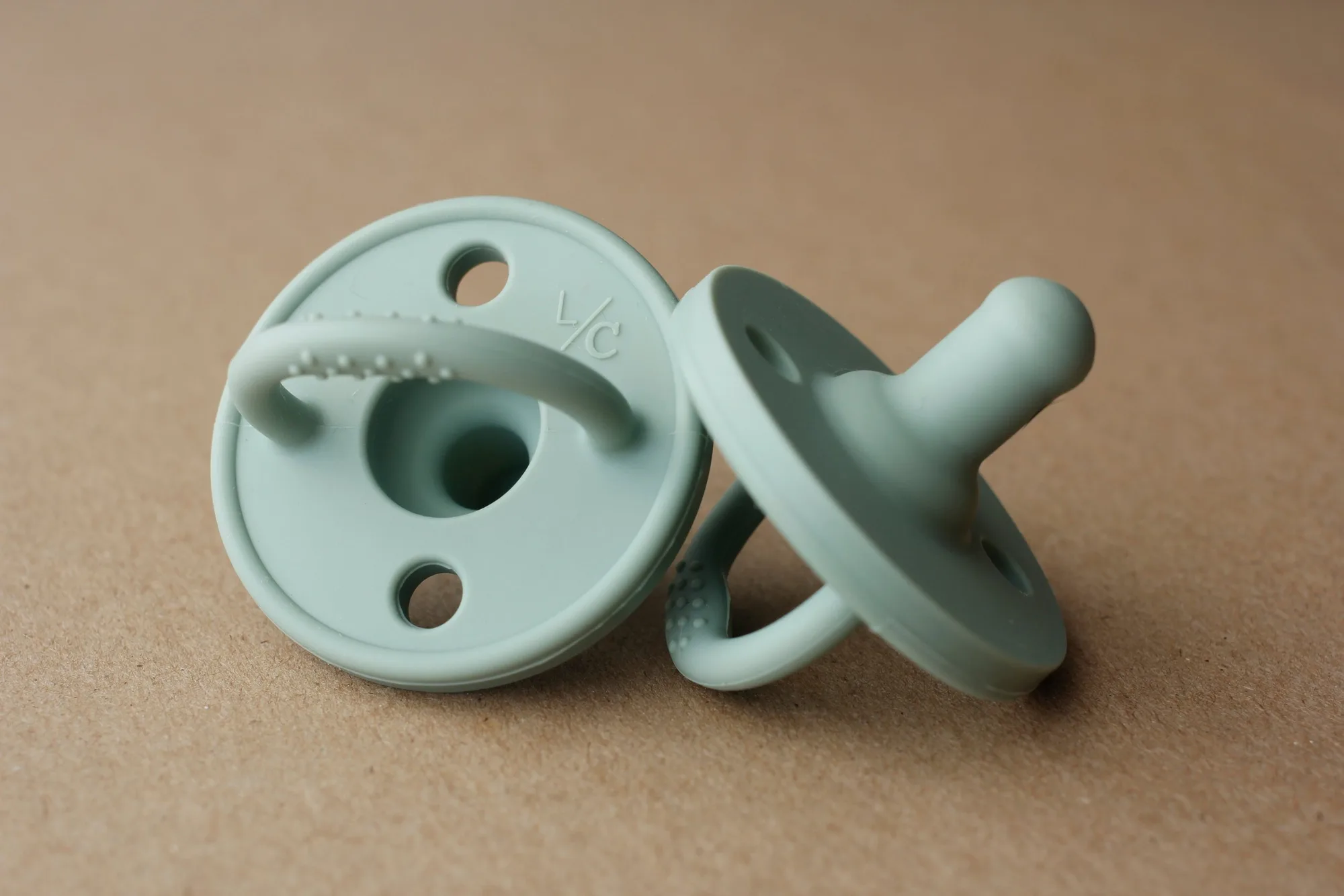
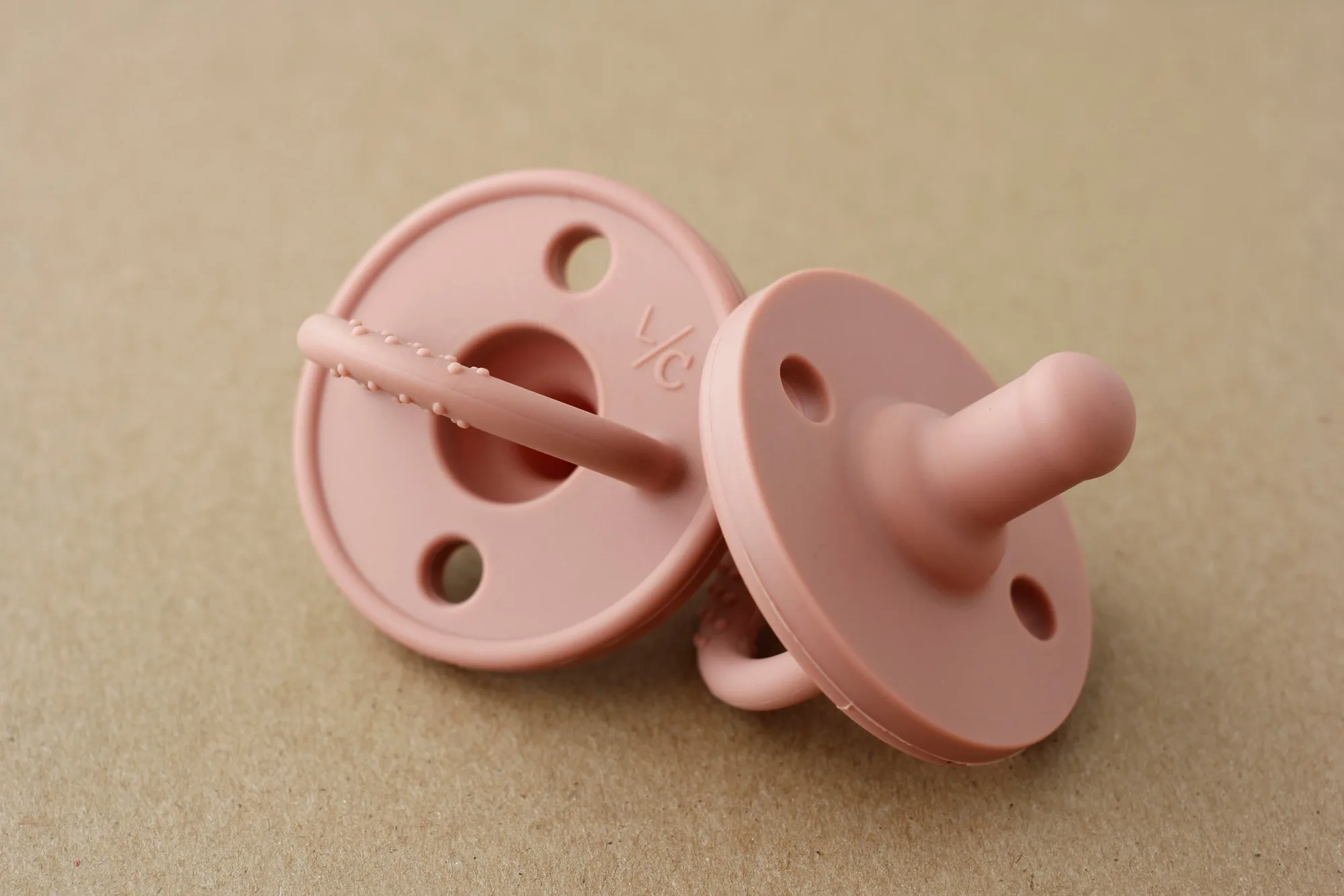
Babies can refuse a pacifier for several reasons. It might be a matter of timing: offering it when they're already crying can create a negative association. Some babies are particular about the shape and texture of the nipple, preferring a certain firmness or length. Teething can also make sucking painful, especially if the pacifier isn't designed for that stage. Additionally, if your baby is used to breastfeeding, they may find the pacifier's feel confusing or unsatisfying.
It's also possible that your baby simply doesn't need a pacifier as much as others. Some infants are naturally content with other self-soothing methods, like sucking on their hands or cuddling a soft toy. Recognizing this can save you from unnecessary frustration.
Practical Tips to Help Your Baby Take the Pacifier
Try offering the pacifier when your baby is calm, not in the middle of a meltdown. You can also experiment with different times: some babies accept it during sleep, while others prefer it during play. Gently pulling on the pacifier as your baby sucks can encourage them to hold it in, mimicking the natural tug of breastfeeding.
If your baby is teething, consider a pacifier with a softer or textured nipple, or offer it chilled (never frozen) to soothe their gums. Always supervise and follow the manufacturer's guidelines.
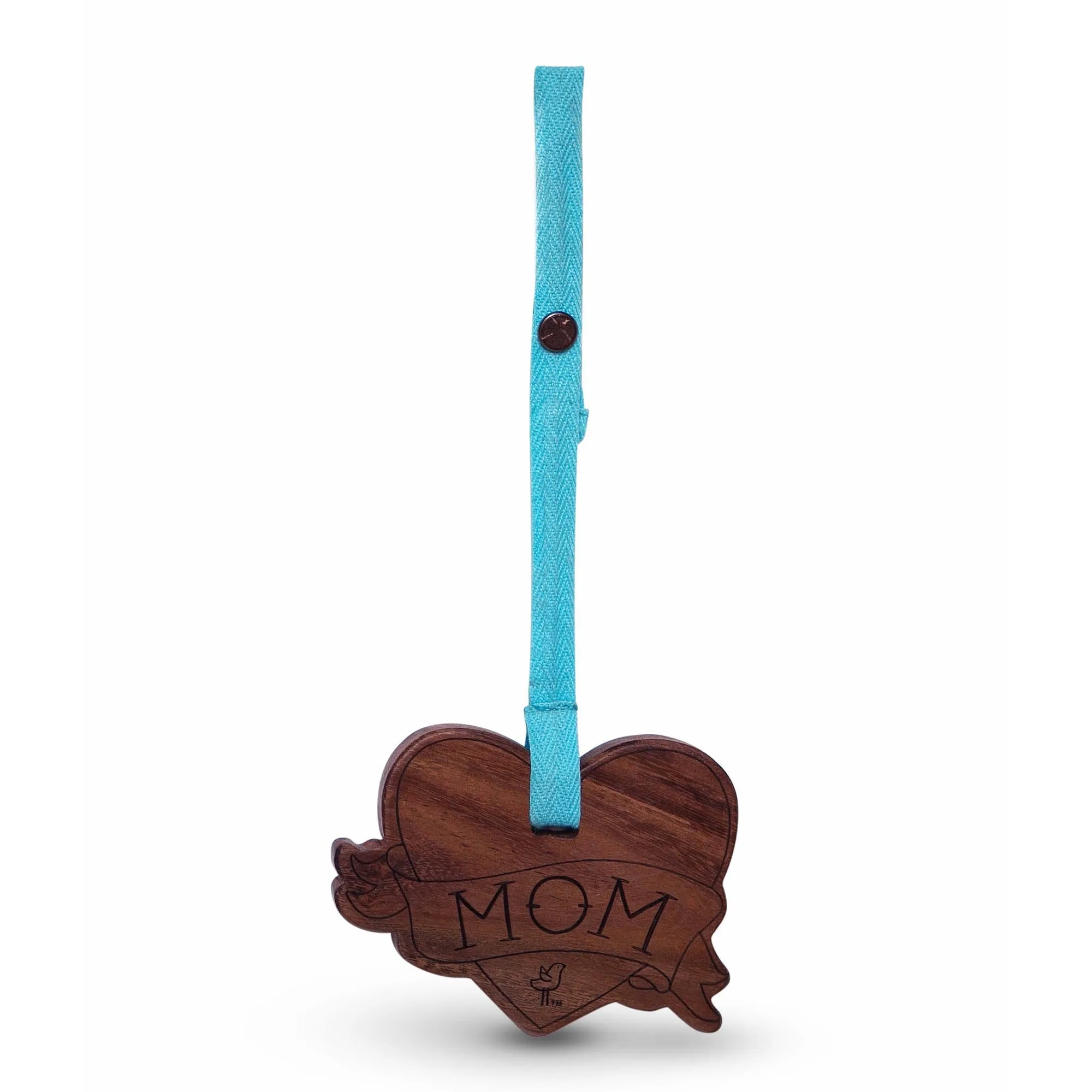
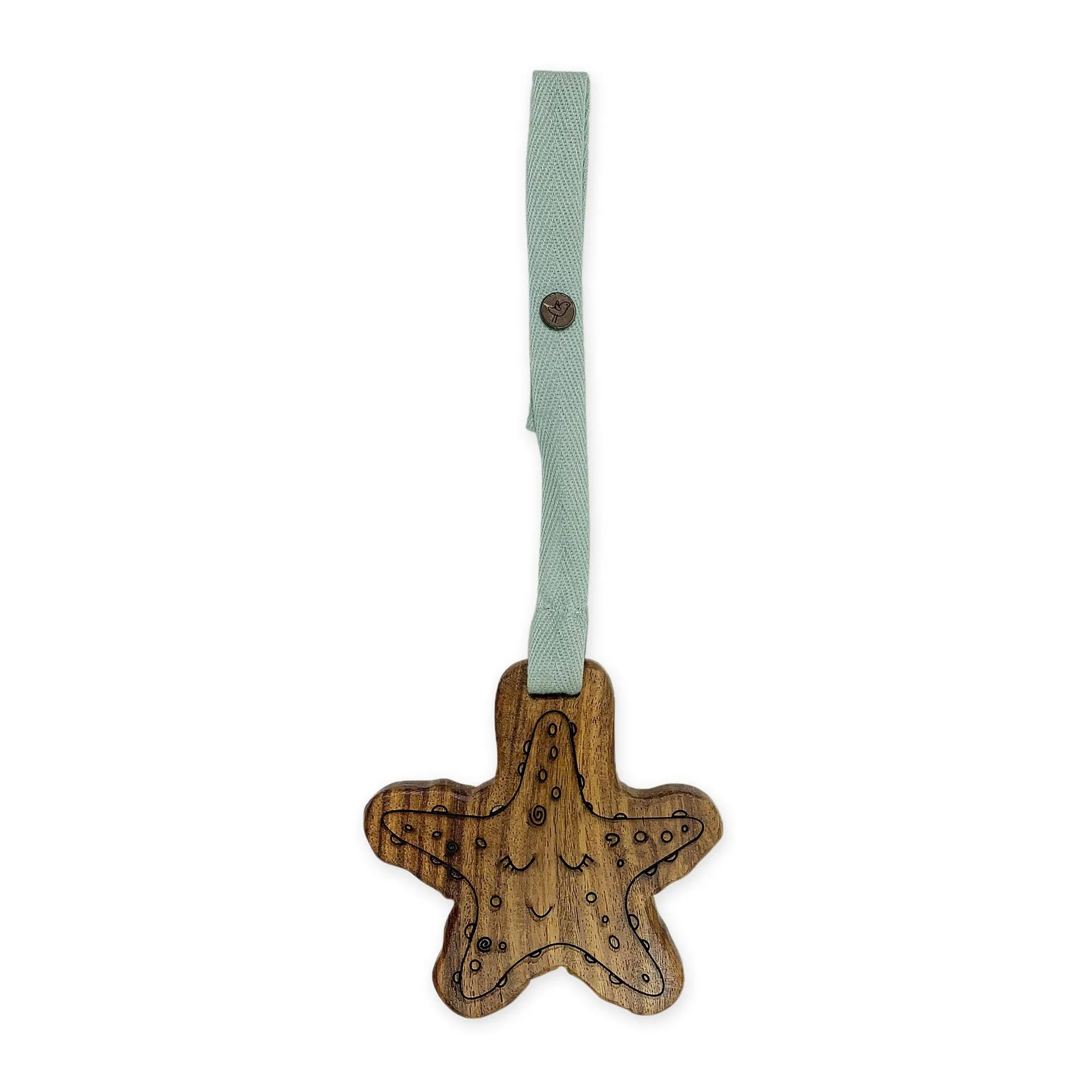
Keep the pacifier clean and within reach using a pacifier clip. This prevents it from falling on the floor and makes it easy for you to offer it again quickly. Look for clips made of safe, non-toxic materials like wood and stainless steel.
When to Stop Trying
If you've tried different approaches for several weeks and your baby still refuses, it may be time to accept that they don't want a pacifier. Forcing it can cause stress for both of you. Instead, focus on other soothing techniques like swaddling, rocking, or white noise. Remember, pacifiers are a tool, not a necessity—many babies thrive without them.
Diagnosis: Why Your Baby Refuses the Pacifier
- Symptom: Baby spits out or cries when offered a pacifier. Observe when and how you offer it.
- Likely Cause: Timing, nipple shape, teething pain, or a preference for other soothing methods. Consider which cause fits your baby's behavior.
- Corrective Action: Offer when calm, try different styles, use a pacifier clip to keep it clean, or switch to a teething-friendly option. Give each approach at least a few days.
- When to Stop: If after several weeks your baby still refuses, accept their preference and rely on other soothing methods. It's okay to move on—your baby will be fine without a pacifier.
Products That Can Help
- Pacifier Clip - Kozuk: Our Kozuk pacifier clip is handmade of natural wood treated with coconut oil, featuring a stainless steel wooden clip and nylon cord. It's free of BPA, lead, phthalates, and cadmium. Clean with a wipe; do not sterilize. A safe, non-toxic clip keeps the pacifier clean and accessible, so you can offer it quickly when your baby is calm and receptive.
- all-in-one toy | macrame 2 pc Set: This set of two macrame stroller toys is hand-knotted with organic cotton rope and smooth wood beads, designed to clip onto strollers, highchairs, or carseats. If your baby refuses the pacifier, they may prefer tactile soothing. These toys offer engaging textures and can be a comforting alternative during car rides or stroller walks.