Quick answer
Most leaks come from a valve that is missing, flipped, or not fully seated, or from a spout that has been chewed or stretched. Reassemble the cup with the valve seated flat, then test with water over a sink. If it still drips, replace the valve or the cup. If the cup is cracked or the spout is torn, stop using it and choose a new one.
Start with the valve, not the cup
The valve is the most common culprit in a sippy cup leaking fix. It is a small silicone piece that sits under the lid and controls flow. If it is missing, upside down, or pinched by the lid, liquid bypasses it and drips out around the spout or the rim. Take the cup apart and look at the valve against a bright light. It should sit flat and fully cover its opening, with no folded edges. Press it into place with a clean finger, then screw the lid on until snug. Do not overtighten, because that can shift the valve and create a gap.
Check the spout and lid for wear
Toddler cup leaking at the spout often points to a spout that has been chewed. Teeth marks create tiny channels that let liquid escape even when the valve works. Run a fingertip around the spout opening and along the rim of the lid. Feel for rough edges, small tears, or a stretched opening. A cross-cut spout can also open up over time if a child bites it repeatedly. If the spout feels thin or looks cloudy and cracked, the cup has reached the end of its useful life. Replacement is the practical fix, not more tightening.
Pressure and temperature change the answer
A cup that seals perfectly at home can leak in a diaper bag on a warm day. Temperature changes cause the air inside the cup to expand, pushing liquid up through the valve. Cold drinks warming up do the same thing. Fill the cup with room-temperature liquid, leave a small air gap at the top, and close it before you leave. If you carry milk or juice, keep the cup upright and avoid leaving it in direct sun. This is not a defect; it is simple physics, and adjusting how you fill and pack the cup solves most travel drips.
Cleaning habits that prevent repeat leaks
Sippy cup care and cleaning affect how well the valve seals. Sticky residue from milk or juice can make the silicone valve lift slightly, which opens a path for liquid. Wash the valve, lid, and cup in warm soapy water after each use, and use a small brush to clean inside the spout. Rinse thoroughly, because soap film can also interfere with the seal. Let all parts air-dry completely before reassembling. If your cup is dishwasher-safe, check the manufacturer's guidance first and place small parts in a basket so they do not warp or disappear.
Leak diagnosis: match the symptom to the fix
- Leaks only when the cup is tipped or shaken: The valve is likely missing, upside down, or not seated flat under the lid. Take the cup apart, reseat the valve so it lies flat, and screw the lid on snug without overtightening. If it still drips after a correct reseat, the valve may be stretched or torn.
- Leaks around the rim or lid threads: This usually means the lid is cross-threaded or the valve is pinched at the edge. Unscrew the lid completely, check the valve position, and screw it back on straight. A lid that will not sit flush after two attempts may have a warped thread from heat or dishwasher damage.
- Leaks at the spout only after chewing: Teeth marks create small channels in the spout. Feel for rough edges or a stretched opening. A cross-cut spout can open wider with repeated biting. If the spout is torn or thin, stop using the cup and replace it. Do not try to repair silicone with household tools.
- Leaks during travel or after sitting in a warm car: Temperature change raises pressure inside the cup and pushes liquid through the valve. Fill with room-temperature liquid, leave a small air gap, and keep the cup upright. If leaks continue only in these conditions, the cup is working as designed. Adjust how you fill and pack it.
A cup designed to reduce common leak points
- The Sippy Cup (9oz) - Orange: The Sippy Cup (9oz) - Orange uses a cross-cut spout design instead of a separate removable valve. There is no loose valve to misplace, flip, or reseat, which removes the most common cause of sippy cup leaking.
- The Sippy Cup (9oz) - Orange: It is made from extra soft, medical-grade silicone and is free of BPA, phthalates, nitrosamines, lead, PVC, and PET. A soft silicone spout is easier on gums, and the material list gives you a clear answer if you are avoiding certain chemicals.
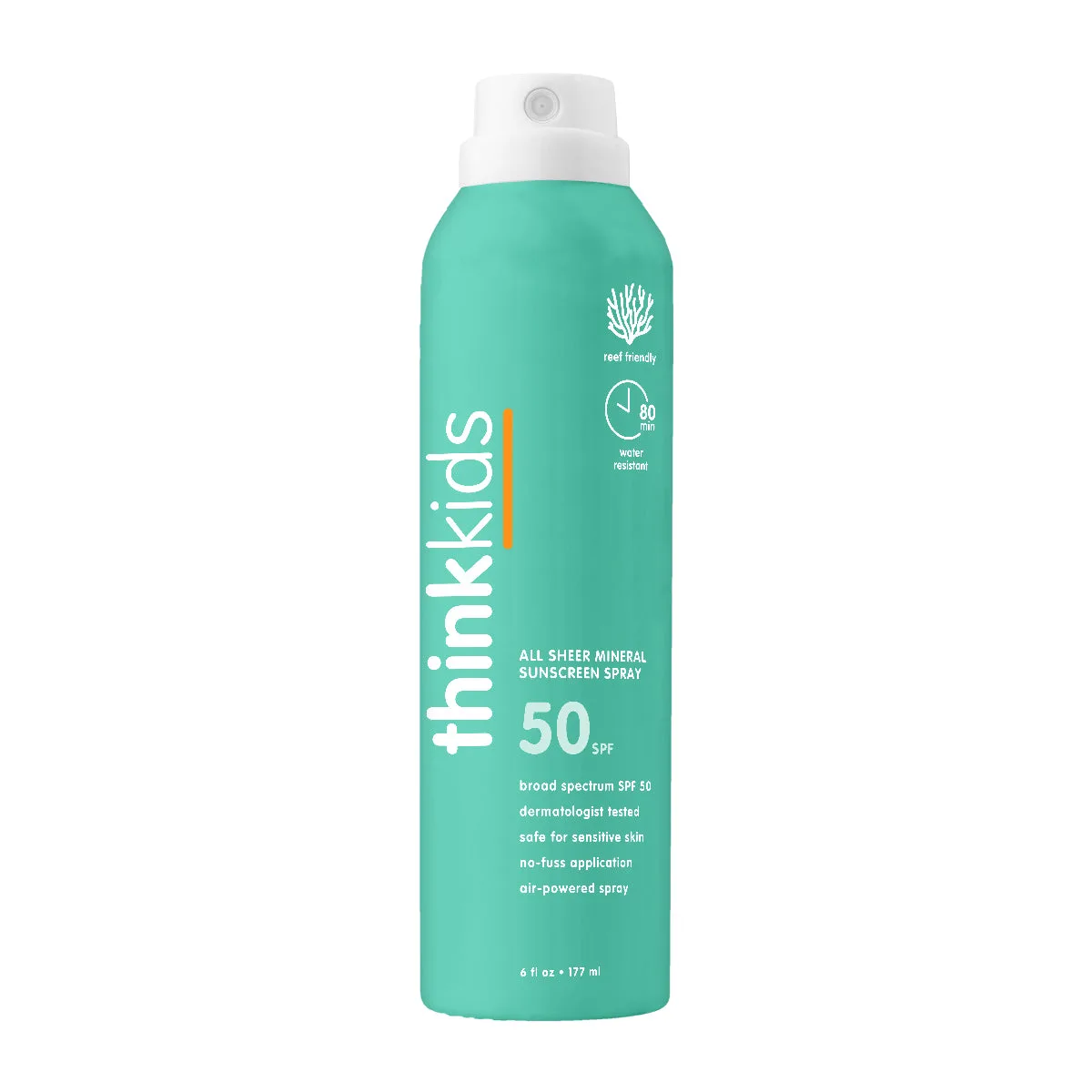
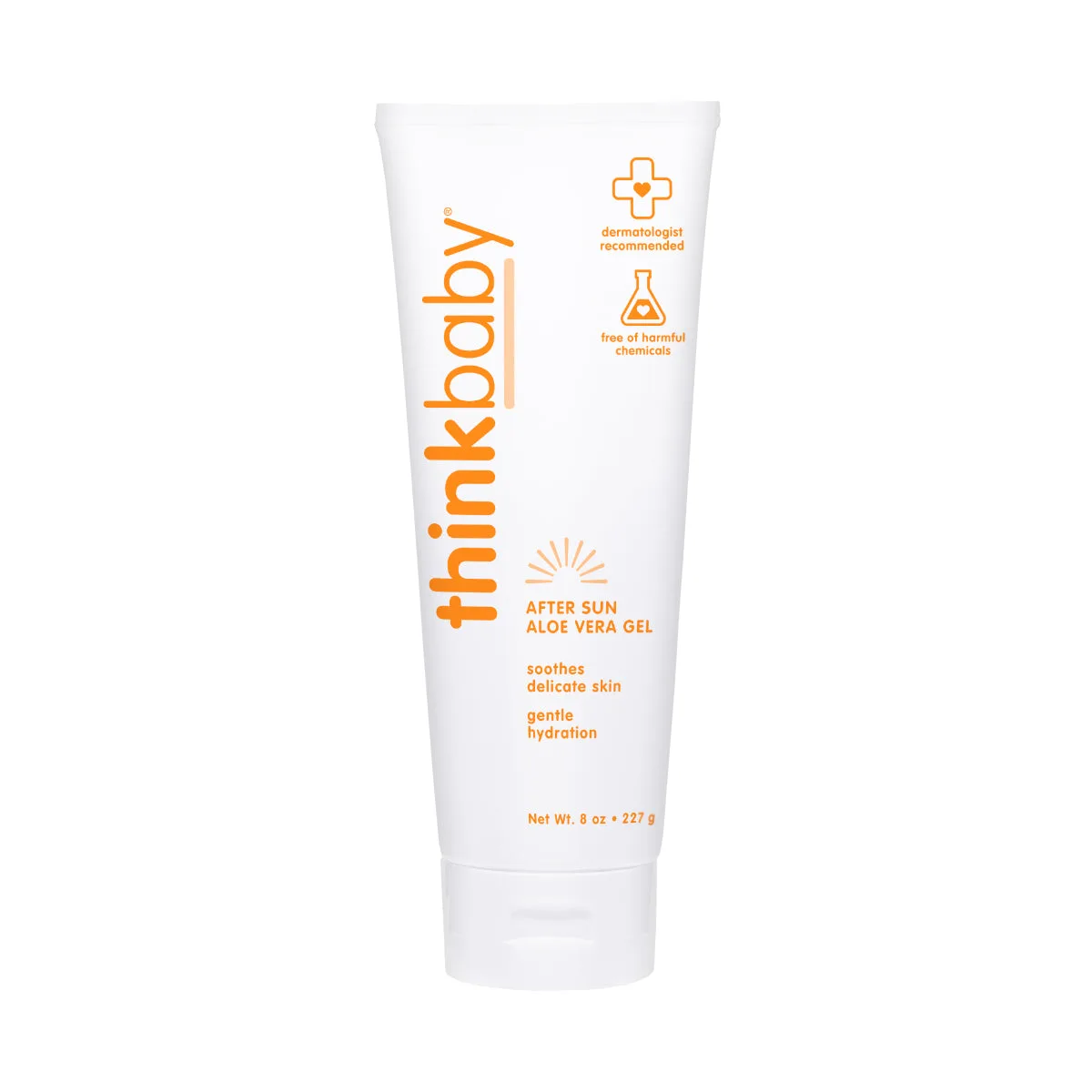
- Think Kids Safe Sunscreen SPF 50+ (6oz) - Family Size: Think Kids Safe Sunscreen SPF 50+ (6oz) - Family Size is water resistant for up to 80 minutes. If leaks happen during outdoor play, this is a practical companion for sun protection while you sort out the cup.