Quick answer
A filmy feeling after showering usually comes from a mismatch between your body wash's formula and your water type, or from ingredients that don't rinse away completely. Switching to a body wash with simpler surfactants, adjusting your rinse temperature, or using a clarifying step once a week can resolve the issue without drying out your skin.
What causes that sticky or waxy film?
The most common culprit is hard water. Minerals like calcium and magnesium bind with the fatty acids and moisturizers in many body washes, creating a soap scum that clings to skin. Even soft water can leave a film if your body wash contains heavy oils, silicones, or waxes that aren't fully soluble. Thick cream-based formulas designed for dry skin often deposit more residue than gel or transparent washes.
Another factor is rinsing temperature. Hot water opens pores and can make some ingredients adhere more stubbornly, while lukewarm water helps surfactants break down and wash away. Finally, layering multiple products—like a body oil followed by a creamy wash—can overload the skin's surface and leave a combined residue.
How to tell if it's your water or your wash
A simple test: wash one arm with your current body wash and the other with a clear, fragrance-free castile soap or a basic glycerin bar. If the film disappears on the castile side, your water is likely the issue. If both sides feel sticky, the body wash formula itself is the problem. You can also check your showerhead for white mineral buildup—a sure sign of hard water.
Practical fixes for a cleaner rinse
Start by adjusting your rinse technique: use lukewarm water and spend an extra 30 seconds rinsing each area, especially the back and legs. If hard water is the issue, a showerhead filter that reduces mineral content can make a noticeable difference. For body wash residue caused by thick formulas, try diluting the wash with a bit of water in your hand before applying, or switch to a lighter gel-based body wash for daily use. Reserve rich, creamy washes for dry winter months when your skin needs more moisture.
A weekly clarifying step also helps. Use a gentle exfoliating mitt or a silicone scrubber to physically lift any buildup, then follow with a simple, low-residue body wash. This prevents the film from accumulating over time without stripping your skin's natural barrier.
Diagnosis: Is it residue or just dry skin?
- Symptom: Skin feels sticky, waxy, or slippery even after you've toweled dry. You might see a faint white residue on dark towels. This is likely product buildup, not natural skin oils.
- Likely cause: Hard water minerals reacting with fatty acids or silicones in your body wash. Alternatively, a cream-based formula that doesn't fully dissolve in your water temperature. Test your water type and check your body wash ingredients for heavy oils or waxes.
- Corrective action: Switch to a gel body wash with simple surfactants, rinse with lukewarm water for 30 extra seconds, and consider a showerhead filter if you have hard water. If the film disappears within a few washes, you've found the fix.
- When to choose another option: If you've tried lighter washes and adjusted your rinse but still feel residue, your skin may need a different approach—like using a separate lightweight moisturizer after a no-residue cleanser. Stop chasing the film. A separate cleansing and moisturizing routine often solves it.
Products that can help
- Lasting Promise Body Wash 16oz: Lasting Promise Body Wash from PURA D'OR comes in a 16 oz size, offering a simple addition to your daily shower routine. If your current body wash leaves a film, a straightforward formula like this one may rinse cleaner while still providing gentle cleansing. Its simplicity reduces the chance of heavy residue.
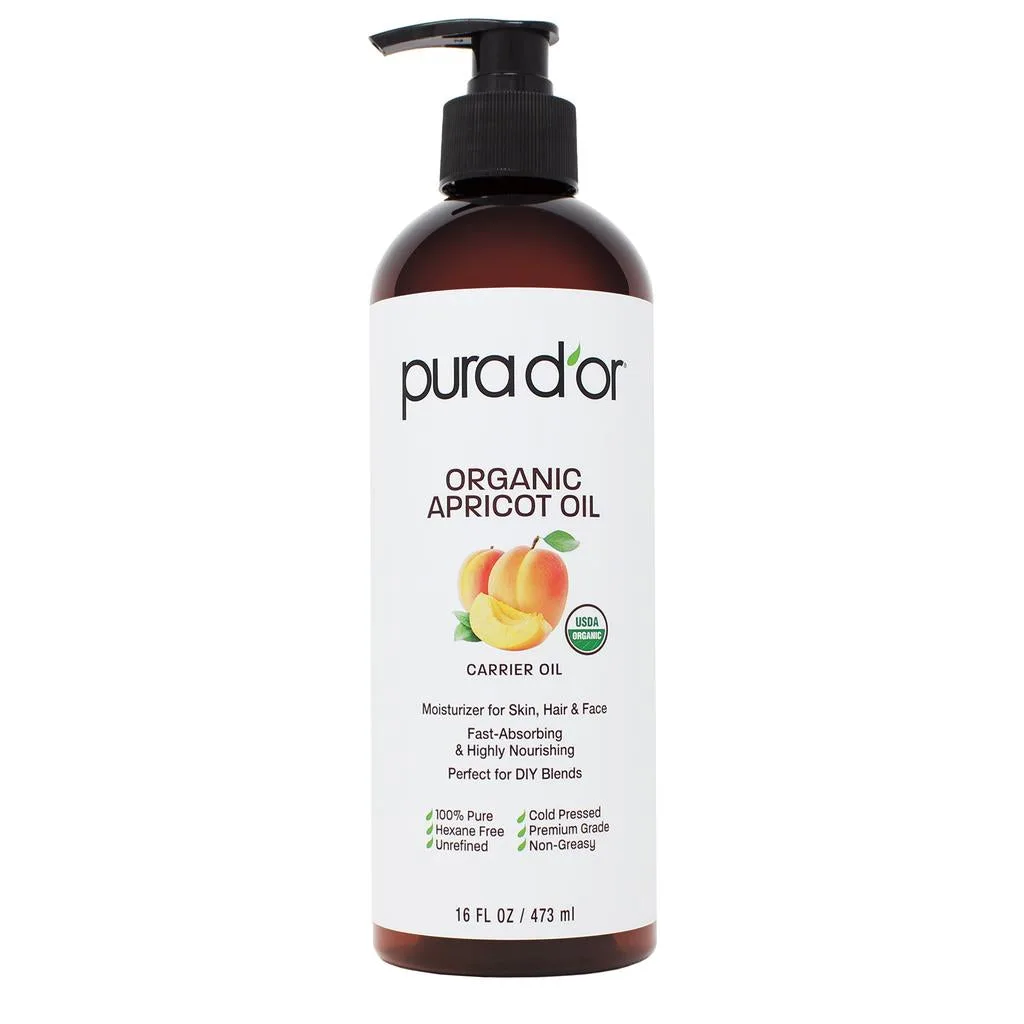
- Organic Apricot Oil 16 oz: PURA D'OR Organic Apricot Oil comes in a 16 oz size and is offered as a versatile oil for skin care, hair care, and aromatherapy routines. It is also positioned as a carrier oil. If you prefer to moisturize separately after showering instead of relying on a heavy 2-in-1 body wash, a lightweight carrier oil like this one lets you control exactly what goes on your skin—no film from built-in conditioners.