Quick Answer
If your bra rides up, the most common cause is a band that is too loose. Try adjusting the band to a snugger fit or using a bra with a wider, more supportive band. If the issue persists, consider a different style designed for your frame and bust size.
Few things are more annoying than a bra that creeps up your back by mid-morning. You adjust, it rides up again, and by lunchtime you’re ready to give up on underwire altogether. But before you toss that bra, know that most riding-up problems have a straightforward fix—and a few might mean it’s time for a different style.
In this guide, we’ll walk through the most common reasons bras ride up, what you can do right now to fix the fit, and when the problem isn’t the bra but the match between the bra and your body.
Symptom: Band Rides Up in the Back
When the back band of your bra slides upward, it’s almost always a sign that the band is too loose. The band should sit horizontally across your back, level with the underwire in the front. If it’s higher in the back, your bra isn’t providing the support it should, which can lead to shoulder strain and a lack of lift.
A quick test: Hook your bra on the loosest set of hooks when you first buy it. Over time, as the elastic stretches, you’ll move to tighter hooks. If you’re already on the tightest hook and the band still rides up, the bra is too big in the band.
- Check that the band is level all the way around your torso.
- If you can pull the band more than two inches away from your body, it’s too loose.
Likely Cause: Band Too Loose or Worn Out
Elastic in bra bands naturally stretches with wear and washing. If you’ve had your bra for a year or more, the band may have lost its snap, even if you’ve been careful with care instructions. A stretched-out band can’t anchor the cups properly, so the whole bra shifts upward.
Another culprit: choosing a band size that’s too big because you’re trying to compensate for cup size. Many people wear a band that’s too large and a cup that’s too small, which creates a host of fit issues, including riding up.
- If your bra is over a year old, consider replacing it.
- Get measured professionally, or measure yourself at home to confirm your band size.
Corrective Action: Adjust the Band and Straps
Start by adjusting the straps. If your straps are too tight, they can pull the back of the bra up, even if the band fits well. Loosen the straps slightly so they sit comfortably without digging in. The band should do most of the supporting work, not the straps.
Next, try the middle or tightest hook setting. If you’re already on the tightest, it’s time to consider a smaller band size or a bra with a different construction, such as a style with side boning for extra stability.
- Adjust straps so they’re snug but not tight enough to leave marks.
- Test the bra on different hook settings to find the most secure fit.
When to Stop Adjusting and Choose Another Option
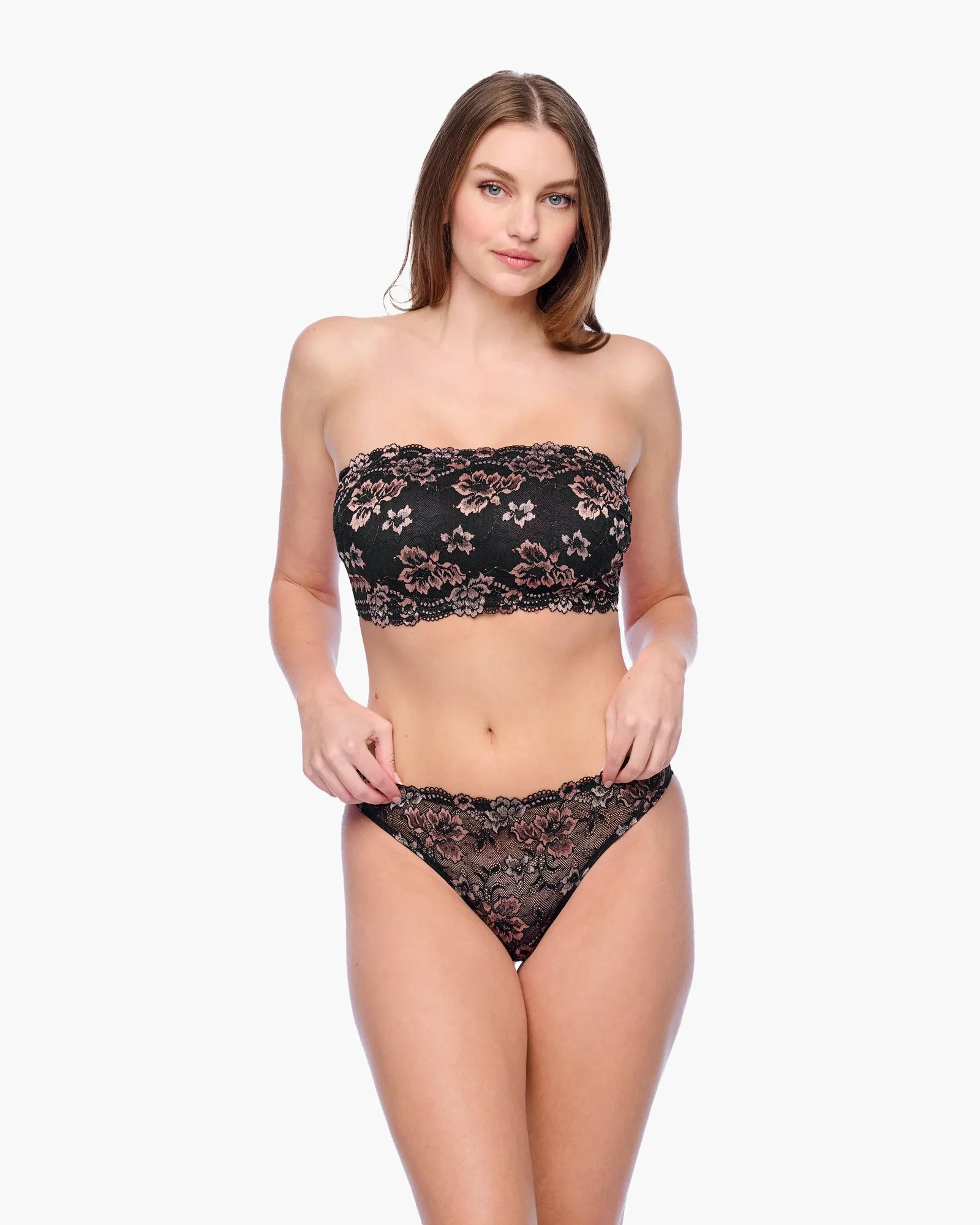
Sometimes, no amount of adjusting will fix a bra that rides up because the style simply isn’t right for your body. If you have a small frame and a full bust, for example, a bra with a wider band or additional side support may be necessary. A bandeau or a longline-style bra can offer more coverage and stability.
If you’ve tried adjusting the band, straps, and hooks, and the bra still rides up, it’s a sign that the bra’s construction doesn’t match your needs. Don’t settle for a bra that constantly needs fixing—look for a style designed to stay put.
- If adjustment doesn’t help, try a different bra style.
- Look for bras with features like side boning or silicone grips for extra security.
Diagnosis: Why Your Bra Rides Up
- Symptom: The back band of your bra creeps upward during wear, causing discomfort and a lack of support. This is a common sign of a band that is too loose or not properly anchored.
- Likely Cause: Band too loose due to incorrect size, stretched-out elastic, or straps that are too tight. Check your band size and hook setting; replace bras that have lost elasticity.
- Corrective Action: Adjust the band to a tighter hook, loosen straps, and ensure the band sits level around your torso. If adjustments don’t solve the problem, consider a bra with added support features like side boning or silicone grips.
- When to Stop: If you’ve tried adjusting and the bra still rides up, it’s time to try a different style that better matches your frame and bust size. Don’t settle for a bra that needs constant fixing. Look for a style designed to stay in place.
Bra Solutions That Stay Put
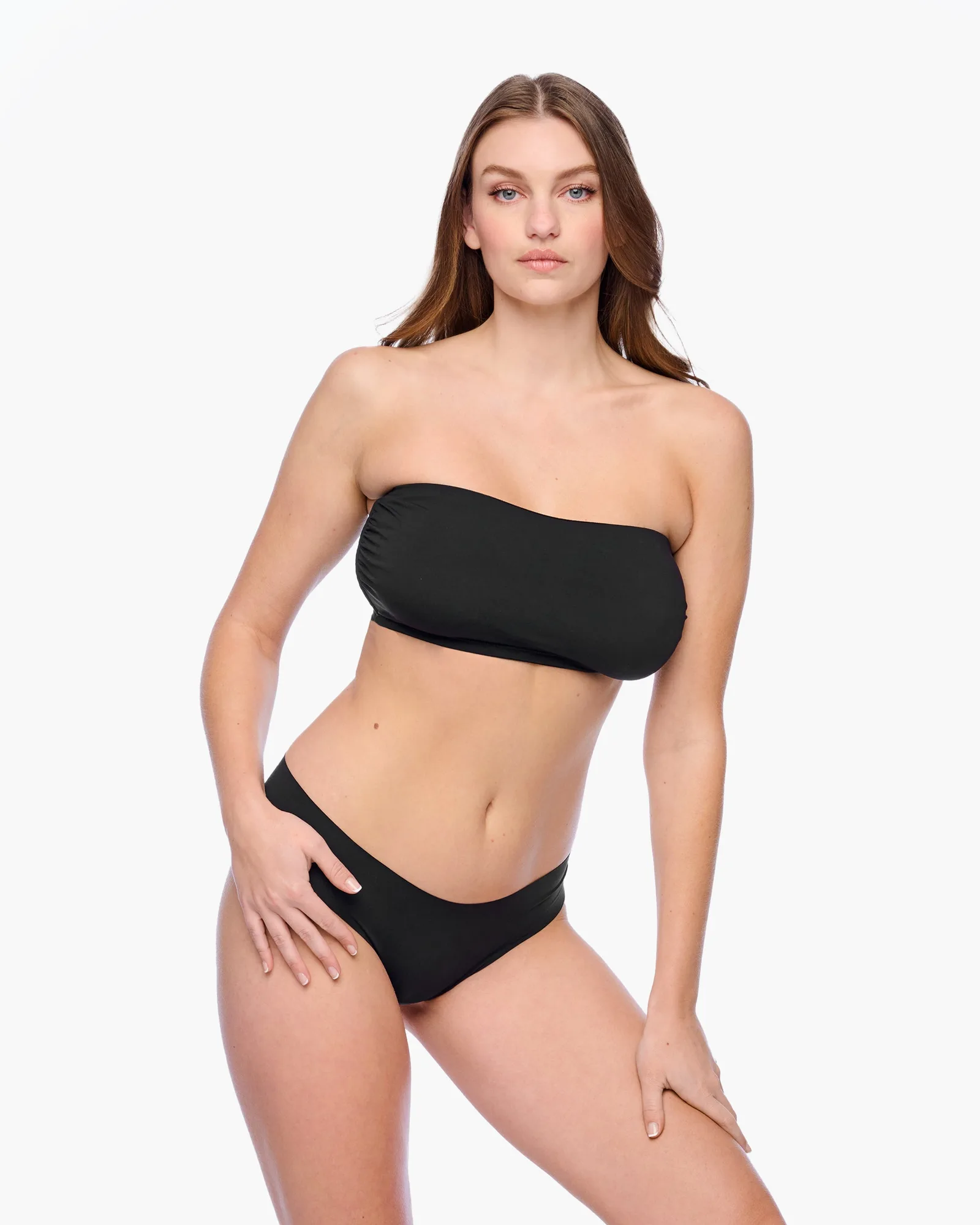
- https://cosabellaec.com/products/free-cut-micro-curvy-bandeau-black-en-431c19f4a83a4216be88c327-930289Curvy Bandeau: Wireless bandeau designed for those with smaller frames and full busts. Free cut, lightweight, comfortable and seamless microfiber. Side boning for added support and silicone non-slip grips for a secure fit. If you have a small frame and a full bust, a traditional band may be prone to riding up. The side boning and silicone grips in this bandeau help anchor it in place, making it a great option for a secure, no-adjustment fit.
slip
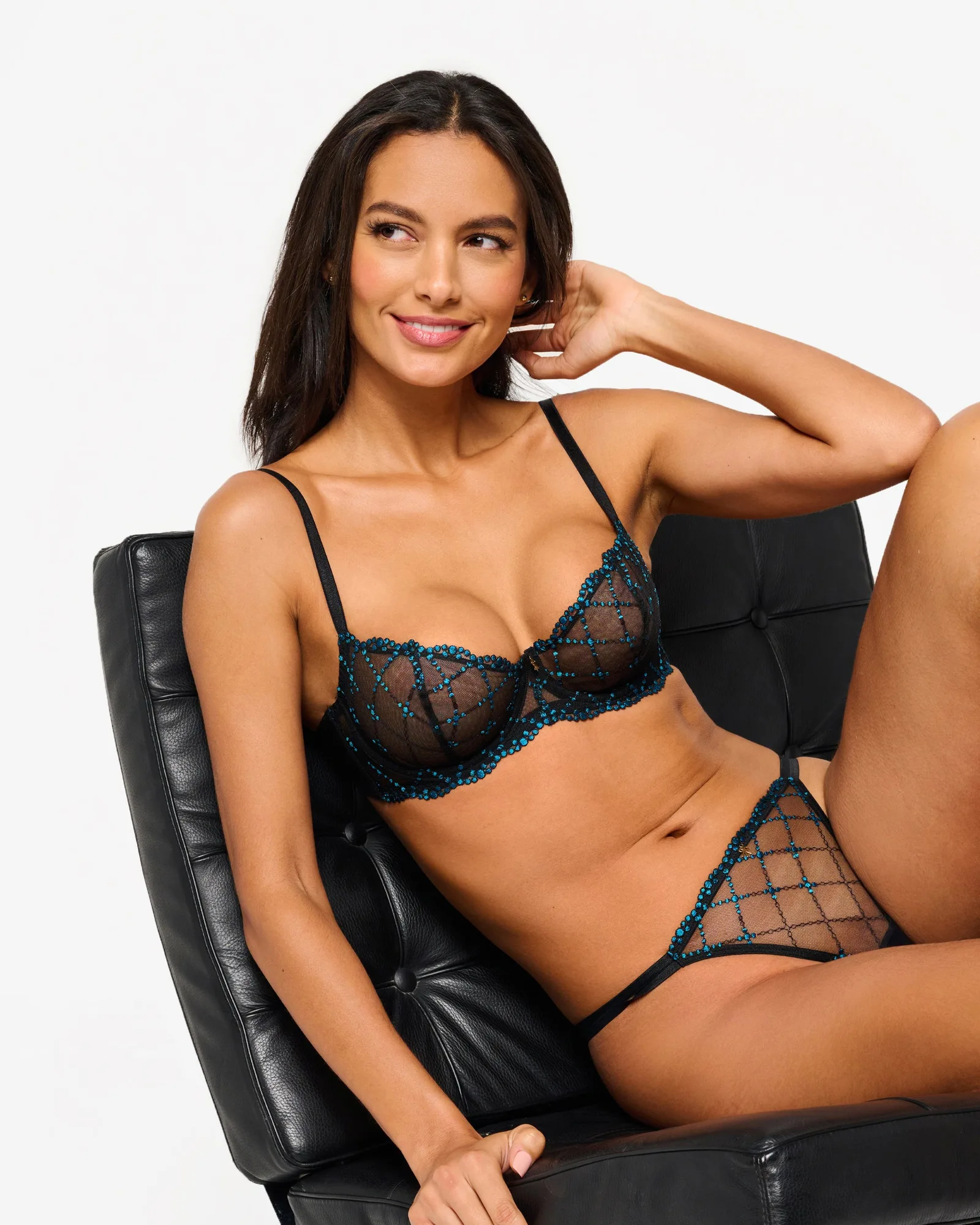
- https://cosabellaec.com/products/avventura-balconette-bra-black-lago-en-afed969e4c15059e0c848dfb-929656Balconette Bra: Supportive cotton underwire bra. Elevated everyday piece specially made with a flat lace that lays perfectly under clothing. Invisible tulle lining for extra support and lift. Available in larger sizes up to a G cup for optimal support and coverage. A well-constructed underwire bra with a supportive band can prevent riding up. The balconette style offers lift and support, and the flat lace ensures it stays invisible under clothing, so you can wear it confidently all day.
- Curvy Bra: Underwire bra designed for those with small frames and full busts. Non-padded cups with side slings and power mesh lining for added support. For a full bust on a small frame, side slings and power mesh provide extra support that helps keep the band in place. This bra is engineered to address the specific fit challenges that cause riding up.
A bra that rides up is a fixable problem in many cases, but it’s also a signal that your bra might not be the right fit for your body. Start with simple adjustments, and if those don’t work, explore styles with extra support features. A well-fitting bra should stay in place all day, so you can forget you’re wearing it.