Quick Answer
If your cat suddenly avoids the litter box, rule out medical issues first, then evaluate the box's cleanliness, location, and litter type. Most problems are solved by making the box more appealing.
Medical Issues Come First
A sudden change in litter box habits often signals a urinary tract infection, bladder stones, or kidney disease. Cats associate the box with pain and start avoiding it. Always consult a vet before trying behavioral fixes.
If your cat strains, cries, or has blood in urine, see a vet immediately. These symptoms can be life-threatening.
Litter Box Cleanliness and Location
Cats are fastidious. A dirty box, strong odors, or a spot in a high-traffic area can drive them away. Scoop daily, wash the box weekly, and place it in a quiet, accessible spot—away from food and water.
If you have multiple cats, provide one box per cat plus one extra, placed in separate areas.
Litter Type and Scent Preferences
Some cats are picky about texture and scent. While scented litters can mask odors for humans, the fragrance may repel sensitive noses. If you recently switched litter, try reverting to the old type or choose a low-scent option.
Unscented, clumping, fine-grained litters are often the safest bet. If you prefer a scented product, introduce it gradually by mixing with the old litter.
Diagnose the Cause: Symptom to Solution
- Symptom: Sudden avoidance with straining or crying: Likely a urinary tract issue. Stop troubleshooting and call your vet immediately. Do not wait to see if it resolves. Medical causes must be ruled out first.
- Symptom: Avoidance but no medical signs: Check box cleanliness, location, and litter type. Scoop daily, move the box to a quiet spot, and consider switching to a low-scent or unscented litter. Make one change at a time and observe for a few days.
- Symptom: Avoidance after a recent litter change: Cats often reject new textures or scents. Mix the new litter with the old gradually over a week, or switch back to the previous brand. If your cat still refuses after a week, try a different litter type.
- Symptom: Avoidance with no obvious trigger: Consider stress or territorial issues. Add an extra box, use a pheromone diffuser, and provide vertical space. If problems persist for more than a few days, consult your vet. Behavioral issues may need professional help.
Litter Options That Help
-
Catit Go Natural Cat Litter - Lavender Scented: Catit Go Natural Cat Litter is a plant-based, wood clumping litter that is 99% dust-free and chemical-free, with a subtle lavender scent. The gentle scent and dust-free formula may appeal to cats that dislike strong fragrances or dusty litters, while still controlling odor for owners.
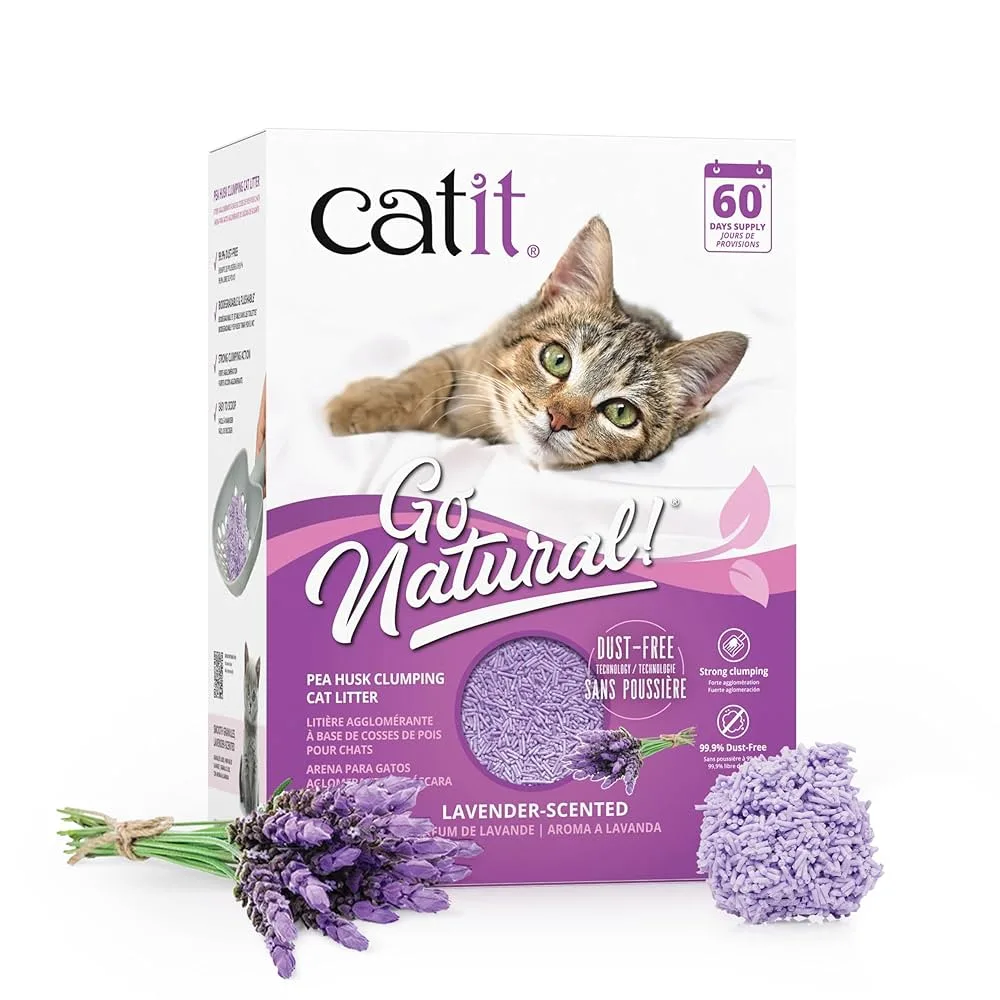
Catit Go Natural Cat Litter - Lavender Scented