Quick answer
Cats eat non-food items due to medical issues, nutritional gaps, or behavioral reasons like stress or boredom. A vet check should be your first step to rule out health problems.
Why cats chew and swallow odd objects
Pica in cats—the persistent chewing or eating of non-food materials—can stem from several causes. Some cats develop the habit because of a dietary deficiency, such as low fiber or certain minerals. Others chew out of boredom or stress, especially indoor cats without enough environmental enrichment.
Kittens explore the world with their mouths, so occasional nibbling is normal. But if an adult cat regularly eats fabric, plastic, paper, or even cat litter, it may signal an underlying condition that needs attention.
Cat litter eating is a particularly concerning form of pica. It can indicate anemia, kidney disease, or a mineral imbalance. If you notice your cat eating litter, schedule a vet appointment promptly.
When pica becomes dangerous
Eating non-food items can lead to intestinal blockages, choking, or toxicity. Items like string, plastic, and rubber are especially risky because they can get stuck in the digestive tract. Signs of a blockage include vomiting, lethargy, loss of appetite, and straining to defecate.
If your cat shows any of these symptoms after eating something inedible, seek emergency veterinary care. Prevention through supervision and safe alternatives is always better than treatment.
How to diagnose and address pica in cats
- Symptom: Your cat repeatedly chews, sucks, or swallows non-food items such as plastic, fabric, paper, or cat litter. This behavior may be occasional or daily. Note which materials your cat targets and how often.
- Likely cause: Medical issues (anemia, dental pain, nutritional deficiency), stress or boredom, or a learned habit from kittenhood. Cat litter eating strongly suggests a medical cause. Do not assume it is behavioral until a vet has ruled out health problems.
- Corrective action: Remove access to the targeted items. Increase interactive play with wand toys like the Archibald or Monty Jack mouse teasers to provide mental stimulation. Offer safe chew alternatives and consider a diet change if your vet recommends it. Schedule a vet visit first. Then add enrichment and supervision.
- When to stop or choose another option: If your cat shows vomiting, lethargy, or loss of appetite after eating a non-food item, stop home management and go to the vet immediately. If pica persists despite enrichment and diet changes, ask your vet about anti-anxiety medication or a referral to a veterinary behaviorist. Persistent pica or any sign of blockage needs professional intervention.
Safe alternatives to redirect chewing
-
Green & Wild’s Archibald Mouse Teaser Eco Cat Toy With Catnip: Green & Wild's Archibald Mouse Teaser Eco Cat Toy With Catnip combines a wool felt mouse, catnip and a bamboo wand to encourage interactive play, chasing, pouncing and daily enrichment. The wool felt texture satisfies the urge to chew, while the wand keeps the toy moving and your cat engaged instead of targeting household objects.
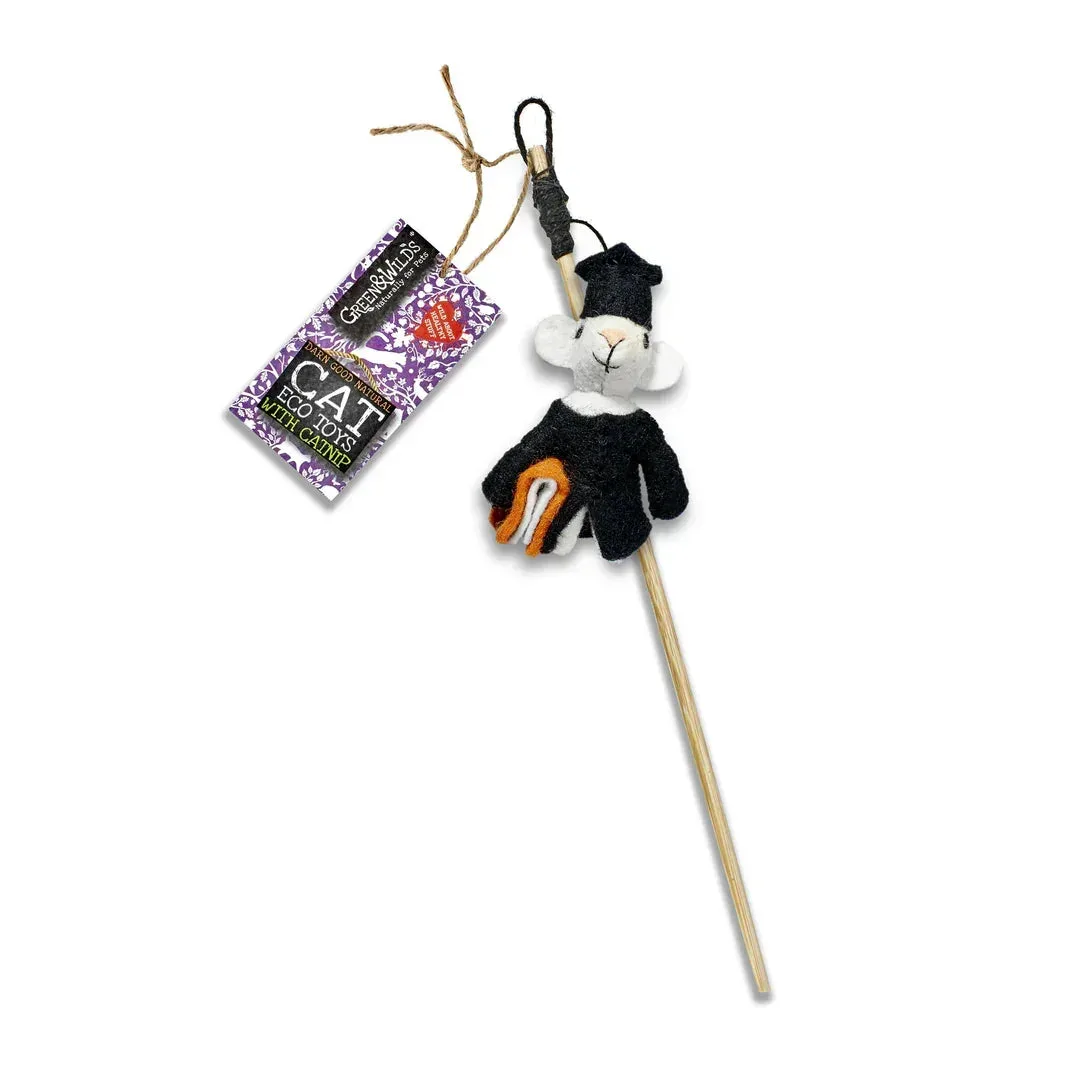
Green & Wild’s Archibald Mouse Teaser Eco Cat Toy With Catnip
-
Green & Wild’s Monty Jack Mouse Teaser Eco Cat Toy With Catnip: Green & Wild's Monty Jack Mouse Teaser Eco Cat Toy With Catnip combines a mouse-shaped toy, catnip and a bamboo wand to encourage interactive play, chasing and daily enrichment. This mouse teaser lets you create movement-led play that mimics prey, which can reduce stress-related pica by giving your cat a positive outlet for hunting instincts.
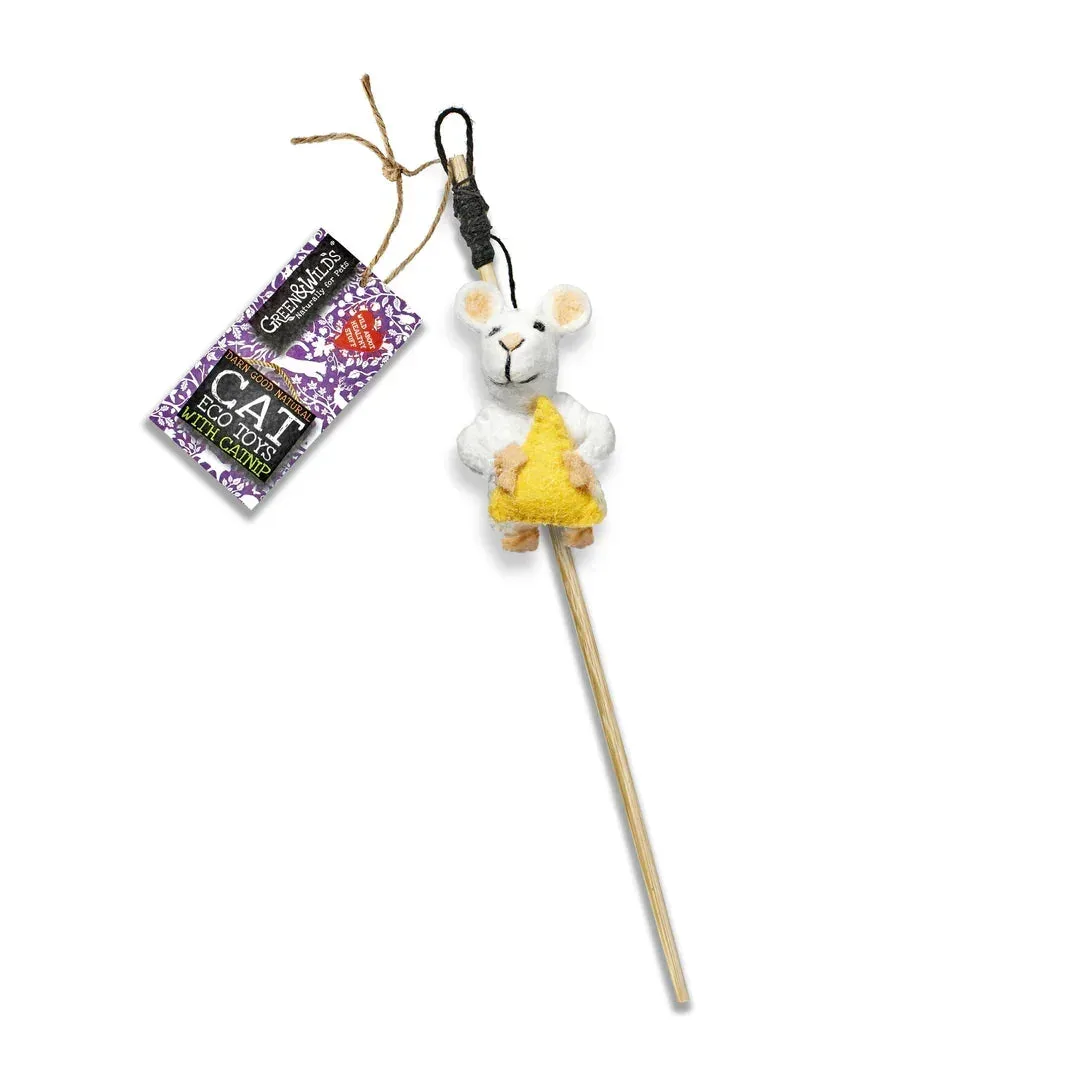
Green & Wild’s Monty Jack Mouse Teaser Eco Cat Toy With Catnip