Quick Answer
If your child chews on everything, it's often a sign of oral sensory seeking—they need extra proprioceptive input through their jaw to feel calm and focused. Instead of stopping the behavior, redirect it to safe chewing alternatives like chew necklaces or sensory chew toys that provide the same oral motor input without ruining clothes or posing a choking hazard.
You've probably pulled a soggy shirt sleeve out of your child's mouth for the hundredth time, or noticed mysterious holes in their collars. While it can be frustrating, chewing on non-food items is a common behavior in many children, especially those with sensory processing differences. It's not just a bad habit—it's often a sign that their body is seeking specific sensory input.
Understanding why your child chews is the first step to helping them. In this article, we'll break down the likely causes of oral sensory seeking, how to tell if it's a genuine sensory need, and how to choose safe chewing alternatives that support your child without shame or punishment.
Why Do Kids Chew on Clothes and Other Non-Food Items?
Chewing on clothes, pencils, toy parts, or even their own hands is a classic sign of oral sensory seeking. For many children, the jaw is packed with proprioceptive receptors—nerve endings that send information about pressure and movement to the brain. When a child feels overwhelmed, understimulated, or anxious, chewing provides deep pressure that can be organizing and calming.
This behavior isn't limited to any one diagnosis. It's common in children with autism, ADHD, anxiety, or sensory processing disorder, but it can also appear in neurotypical kids during stress or transitions. The key is to recognize that chewing is a functional way your child regulates their nervous system—it's not defiance or a phase to be punished out of them.
- Look for patterns: Does your child chew more during homework, transitions, or when overstimulated? That's a clue it's sensory, not just hunger.
- Notice what they choose: If they prefer hard, crunchy, or chewy textures, they may be seeking more intense oral motor input.
Is It Oral Sensory Seeking or Something Else?
Before you invest in chew sensory toys, it's worth ruling out other causes. Sometimes chewing is a sign of teething (in toddlers), nutritional deficiencies, or even acid reflux. But if your child is past the teething stage and consistently chews on non-food items in a variety of settings, oral sensory seeking is a strong possibility.
A quick way to test this is to offer a safe alternative: if your child happily chews on a silicone chew necklace instead of their shirt, that's a strong signal they're seeking oral motor input. If they refuse all alternatives and only chew on specific objects, it might be worth a conversation with an occupational therapist to explore deeper sensory needs.
- Keep a log for a few days: note when, where, and what your child chews. This data is gold if you later consult an OT.
- Rule out pain: if your child suddenly starts chewing and also complains of tooth pain or shows other symptoms, see a dentist or doctor.
Safe Chewing Alternatives: What to Look For
The goal isn't to eliminate chewing—it's to redirect it to safe, appropriate items. Chew sensory toys come in many forms: necklaces, bracelets, pencil toppers, and handheld chews. The best options are made from FDA-approved silicone, which is durable, non-toxic, and easy to clean. They should be the right firmness for your child's chewing style: some kids prefer a softer chew, while others need a firmer resistance to feel satisfied.
When choosing a chew necklace for kids, look for a breakaway clasp or a design that won't get caught on anything. For younger children, always supervise to ensure the chew isn't bitten into small pieces. And remember: a chew is a tool, not a toy. It's meant for chewing, not for throwing or swinging, so choose a design that's clearly intended for oral motor input.
- Start with a pendant style that hangs at chest level—it's easy to reach and less likely to get lost.
- Buy two or three so you always have a clean one ready; silicone can be washed with soap and water or in the dishwasher.
A Simple Diagnosis: Is It Oral Sensory Seeking?
- Symptom: Your child chews on non-food items—clothes, sleeves, toys, pencils—at least several times a week, often during focused or stressful moments. If this sounds familiar, read on. If it's rare and only during teething, you may not need a sensory approach.
- Likely Cause: Oral sensory seeking: your child's nervous system is craving proprioceptive input from the jaw to help regulate arousal, focus, or anxiety. This is a legitimate sensory need, not a behavior problem. Punishing it can increase stress and make the chewing worse.
- Corrective Action: Introduce safe chewing alternatives like a chew necklace or chew toy. Offer it proactively during homework, car rides, or transitions. Model how to use it and praise your child when they choose it. If your child takes to the chew and uses it regularly, you've found a simple solution. If they refuse and chewing persists, consider an OT evaluation.
- When to Stop or Seek Other Options: If your child only chews on non-food items that are unsafe, if they swallow pieces, or if the behavior escalates despite alternatives, stop and consult a pediatrician or occupational therapist. A professional can rule out other issues and provide a tailored sensory diet. Your goal is safety first, then regulation.
Chew Sensory Toys That Can Help
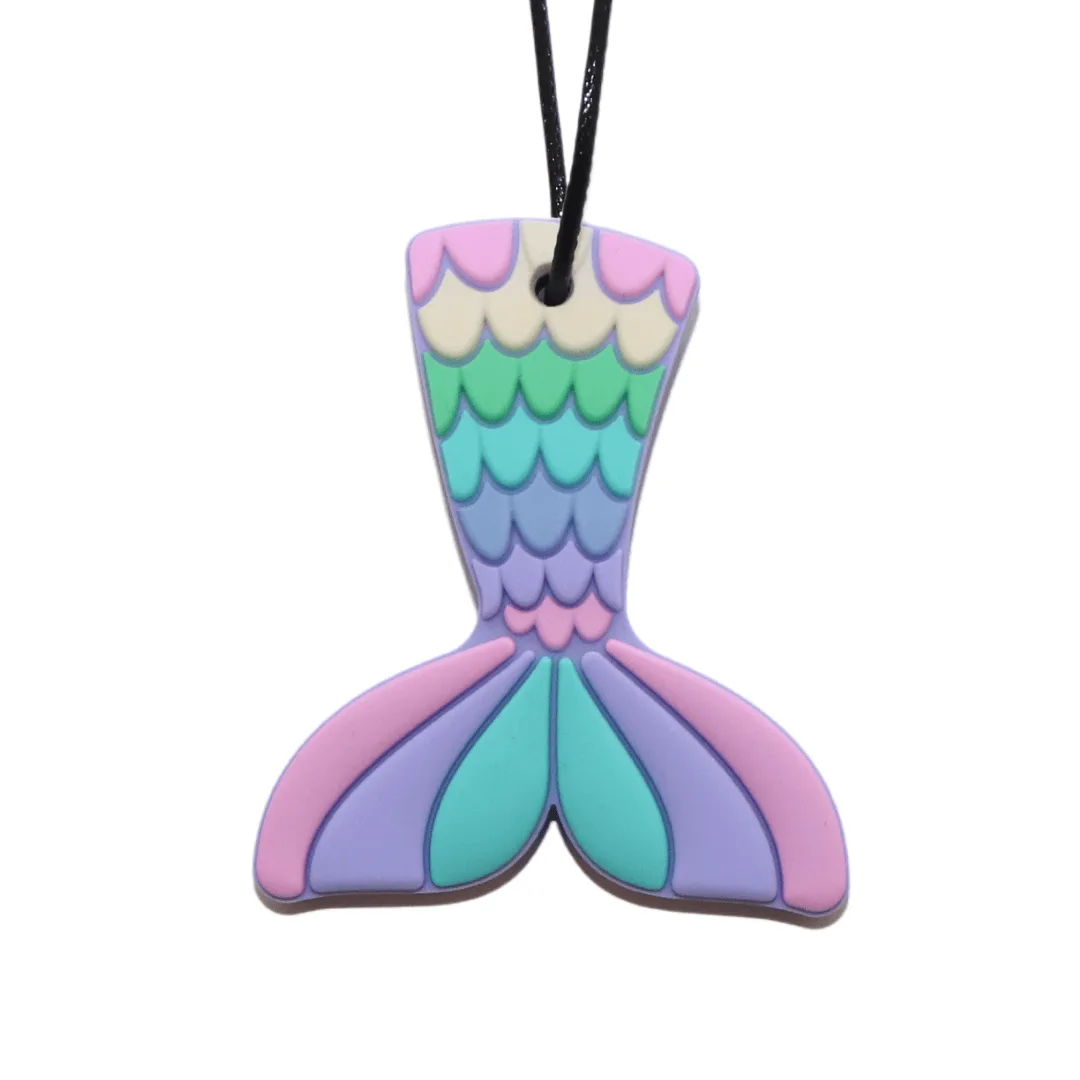
- Mermaid Tail Pendant: Shaped like a mermaid tail and made from FDA-approved silicone, this chew necklace offers a durable and delightful solution for children seeking oral stimulation. It's a discreet, stylish option that a child can wear all day, making it easy to redirect chewing from clothes to a safe, always-available alternative.
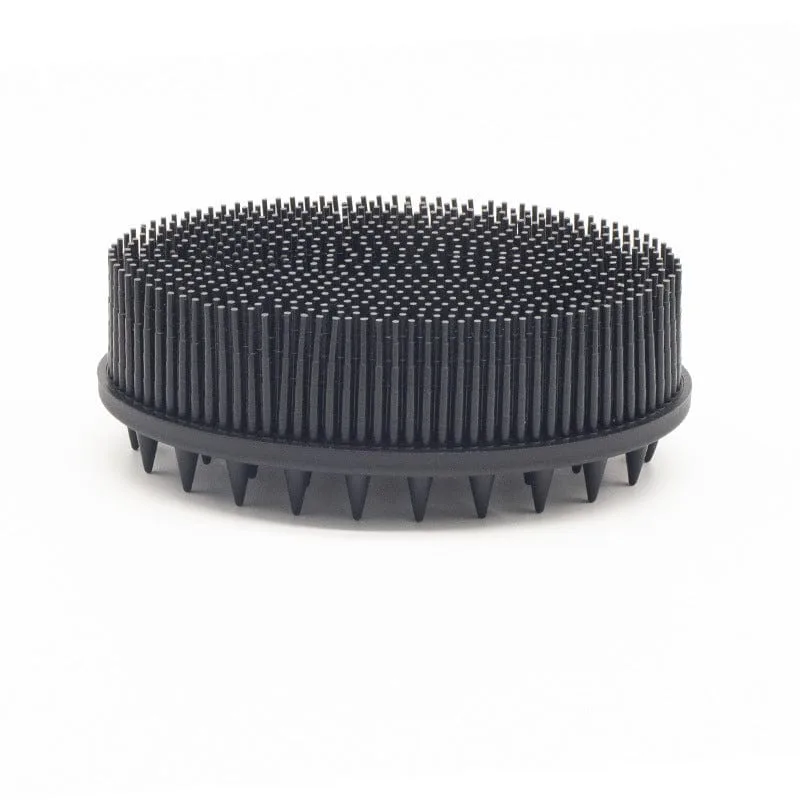
- Detangle Brush: Designed to gently untangle knots without tears, this detangling brush is perfect for sensory-sensitive scalps and anyone who dreads the morning brush-out. While not a chew, this brush addresses a common related sensory struggle—hair brushing—making it a helpful companion for kids with sensory sensitivities.
Chewing on everything is a common and manageable expression of oral sensory seeking. By understanding the need behind the behavior and offering safe, appealing alternatives like a chew necklace or chew toy, you can help your child stay regulated without sacrificing their clothes or your sanity. If you're ever unsure, a quick conversation with an occupational therapist can bring clarity and a personalized plan.